
Canada's Express Entry system continues to be a cornerstone of the nation's immigration strategy. As of 2026, the system has undergone significant updates to accommodate the changing dynamics of global migration. Express Entry is a points-based system used by Immigration, Refugees and Citizenship Canada (IRCC) to manage applications for permanent residence under three federal economic immigration programs: the Federal Skilled Worker Program, the Federal Skilled Trades Program, and the Canadian Experience Class. This system aims to attract skilled immigrants who can contribute to the Canadian economy.
The most recent draw, conducted on June 22, 2026, targeted candidates under the Provincial Nominee Program (PNP) with a minimum Comprehensive Ranking System (CRS) score of 730. A total of 955 Invitations to Apply (ITAs) were issued in this draw. Such draws highlight Canada's focus on candidates who have received a provincial nomination, indicating their skills and experience are in demand in specific provinces.
Understanding the Express Entry System
Introduced in 2015, the Express Entry system has revolutionized the way skilled immigrants are selected for Canadian permanent residency. The system uses a CRS to rank candidates based on factors such as age, education, work experience, and language proficiency. Candidates with the highest scores receive ITAs in regular draws from the pool.
The system's flexibility allows for the inclusion of various immigration streams like the Canadian Experience Class and the French-Language proficiency category, which are designed to meet specific economic needs. Notably, in 2026, the Canadian Experience Class saw a draw with a CRS cut-off of 516, issuing 4,000 ITAs.
 Photo by Andre Furtado on Pexels
The PNP is another critical component of the Express Entry system. It allows individual provinces and territories to nominate candidates who meet specific local labor market needs. These candidates receive an additional 600 points in their CRS score, significantly increasing their chances of receiving an ITA.
Recent Trends in Express Entry Draws
In 2026, there has been a noticeable shift towards targeting candidates with specific skills and language proficiencies. For instance, the French-Language proficiency draws have become more frequent, reflecting Canada's commitment to promoting bilingualism. The May 28 draw targeted French-speaking candidates with a CRS score of 409, issuing 4,500 ITAs.
Healthcare professionals and senior managers with Canadian work experience have also been focal points of recent draws. This aligns with Canada's need to address labor shortages in critical sectors. The February 20 draw, for example, targeted healthcare and social services professionals, issuing 4,000 ITAs with a CRS cut-off of 467.
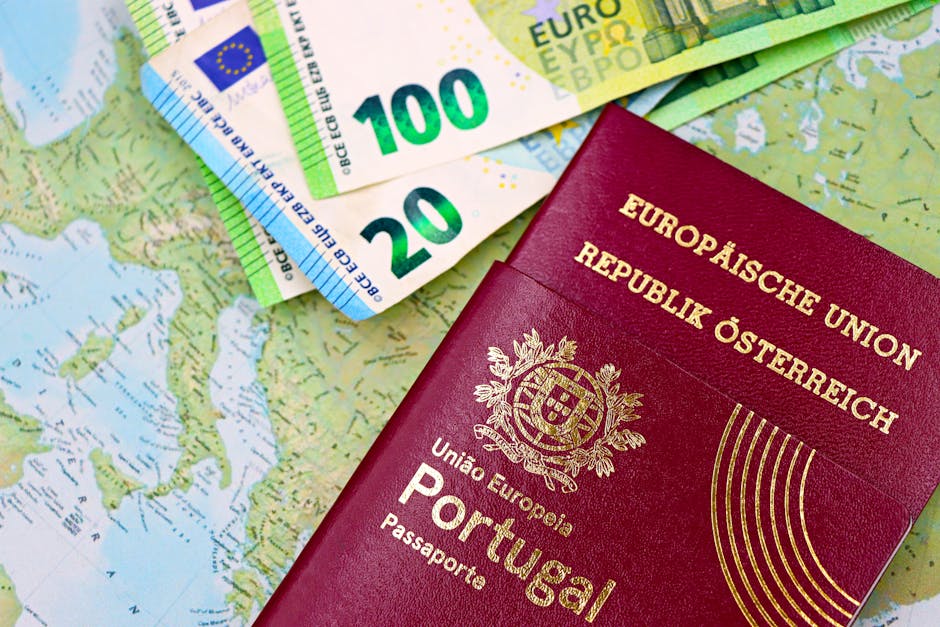 Photo by Marta Branco on Pexels
The draws' frequency and criteria reflect Canada's adaptive immigration policies, which aim to balance economic goals with demographic needs. The Express Entry system's ability to target specific skill sets ensures that Canada remains competitive in attracting global talent.
Conclusion: The Future of Express Entry
As we look toward the future, Canada's Express Entry system is poised to continue playing a vital role in the nation's immigration landscape. The system's adaptability to economic demands ensures that it remains relevant and effective in selecting candidates who can integrate successfully into Canadian society and contribute to its economic prosperity.
The focus on provincial nominations, French-language proficiency, and specific occupational skills highlights Canada's strategic approach to addressing labor market needs. By prioritizing candidates with these attributes, Canada is not only filling current labor shortages but also planning for future economic growth.
 Photo by Oleksiy Yeshtokyn,🌻🇺🇦🌻 on Pexels
For prospective immigrants, understanding the nuances of the Express Entry system is crucial. Staying informed about changes to draw criteria, CRS score trends, and provincial nomination opportunities can significantly enhance one's chances of receiving an ITA. As the system continues to evolve, it will undoubtedly present new opportunities and challenges for those seeking to make Canada their new home.
In summary, the 2026 updates to the Express Entry system reflect Canada's ongoing commitment to attracting skilled immigrants. By focusing on specific skills, language abilities, and provincial demands, the system ensures that Canada remains a top destination for global talent, ready to embrace the challenges and opportunities of the future.