
In 2026, Canada's Express Entry system has been a pivotal tool for managing the influx of skilled immigrants, facilitating the country's economic growth and addressing labor market needs. Immigration, Refugees and Citizenship Canada (IRCC) has efficiently used this system to issue Invitations to Apply (ITAs) across various categories. This system not only streamlines the immigration process but also ensures that Canada attracts the best global talent to address its demographic and economic challenges.
The Express Entry system is a point-based immigration pathway designed to select skilled workers for permanent residency under three federal programs: the Federal Skilled Worker Program, the Federal Skilled Trades Program, and the Canadian Experience Class. Candidates create an online profile and are ranked based on the Comprehensive Ranking System (CRS), which considers factors such as age, education, work experience, and language proficiency. Those with the highest scores receive ITAs, allowing them to apply for permanent residency.
In the first half of 2026, IRCC conducted several draws, focusing significantly on candidates already in Canada, such as those with provincial nominations or Canadian work experience. This strategic focus helps in the seamless integration of immigrants into Canada's labor market and society. The emphasis on provincial nominees is particularly noteworthy as it reflects the growing importance of Provincial Nominee Programs (PNPs) in meeting regional labor market demands.
 Photo by Phil Desforges on Pexels
Breakdown of 2026 Express Entry Draws
The IRCC has conducted numerous draws in 2026, with a strong inclination towards candidates possessing provincial nominations and those with Canadian work experience. These draws are crucial as they address specific labor market needs and enhance Canada's economic fabric.
| Date | Draw Type | CRS Cut-off Score | ITAs Issued |
|---|---|---|---|
| July 6 | Provincial Nominee Program | 708 | 534 |
| June 25 | Healthcare and Social Services | 475 | 4,000 |
| June 24 | Physicians with Canadian Work Experience | 223 | 271 |
| June 23 | Canadian Experience Class | 516 | 4,000 |
These draws illustrate a diverse approach to selecting candidates, with a range of CRS cut-off scores and ITAs issued, reflecting the dynamic nature of Canada's immigration priorities.
Provincial Nominee Program (PNP)
The PNP draws have played a significant role in 2026, with 13 draws focusing on candidates who have received provincial nominations. Provincial governments can tailor immigration programs to address specific labor shortages, making the PNP a vital component of the Express Entry system.
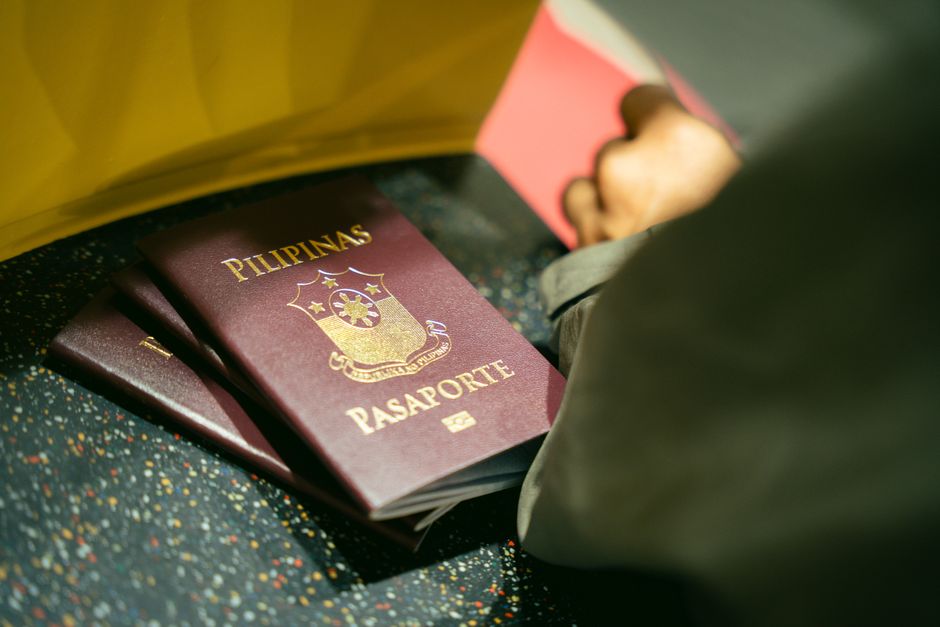 Photo by Kenneth Surillo on Pexels
The PNP allows provinces to nominate individuals who meet specific local labor market needs, ensuring that immigrants can contribute meaningfully to regional economies. This flexibility is crucial for provinces facing unique demographic and economic challenges.
Canadian Experience Class (CEC)
The Canadian Experience Class has also been a focal point in 2026, with 10 draws targeting candidates with Canadian work experience. This class is designed for international graduates and temporary foreign workers who have already adapted to Canadian society and possess the skills needed to thrive in the country.
By prioritizing CEC candidates, Canada can retain skilled workers who have demonstrated their ability to contribute to the economy and integrate into Canadian communities.
Impact of Language Proficiency and Work Experience
Language proficiency and relevant work experience continue to be critical factors in the Express Entry system. Candidates proficient in French and those with Canadian work experience have consistently been prioritized in recent draws, reflecting the importance of these attributes in the Canadian labor market.
Draws focusing on French-language proficiency, for instance, have issued 30,500 ITAs in 2026, underlining Canada's commitment to promoting bilingualism and attracting French-speaking immigrants. This initiative supports Canada's linguistic diversity and cultural heritage, particularly in provinces like Quebec, where French is the predominant language.
Healthcare and Social Services
In response to the ongoing demand for healthcare professionals, Canada conducted specific draws targeting candidates in the healthcare and social services sectors. These draws have resulted in the issuance of 8,000 ITAs, addressing the critical need for skilled professionals in these essential services.
 Photo by Keegan Checks on Pexels
The focus on healthcare workers is not only a strategic move to strengthen Canada's healthcare system but also a reflection of the global recognition of the importance of healthcare professionals in ensuring public health and safety.
Conclusion: Navigating the Express Entry System in 2026
The Express Entry system remains a cornerstone of Canada's immigration strategy, facilitating the arrival of skilled workers who can contribute to the country's economic growth. In 2026, the strategic emphasis on provincial nominees and candidates with Canadian experience highlights the evolving nature of Canada's immigration priorities and the need for a responsive immigration system.
The draws conducted so far demonstrate Canada's commitment to addressing specific labor market needs while promoting linguistic diversity and social integration. As the year progresses, candidates seeking to immigrate to Canada through the Express Entry system should focus on enhancing their CRS scores by improving language proficiency, gaining relevant work experience, and exploring provincial nomination opportunities.
For prospective immigrants, understanding the nuances of the Express Entry system and staying informed about draw patterns and priorities can significantly enhance their chances of receiving an ITA. By aligning their profiles with Canada's immigration goals, candidates can position themselves as ideal applicants, ready to contribute to the nation's economic and social fabric.