Canada's commitment to family reunification is evident in its immigration policies, which allow Canadian citizens and permanent residents to sponsor family members to join them in Canada. The family sponsorship program is a crucial aspect of Canada's immigration system, designed to help families reunite and build their lives together in a new country. This comprehensive guide will explore the various aspects of family sponsorship, including the eligibility criteria, the application process, and the benefits of bringing your family to Canada.
Understanding the Family Sponsorship Program
The family sponsorship program enables Canadian citizens and permanent residents to sponsor their relatives for permanent residence in Canada. This program is a vital component of Canada's immigration strategy, allowing families to reunite and contribute to the country's diverse cultural fabric. Sponsors must be at least 18 years old and able to support their sponsored family members financially. Additionally, they must sign an agreement committing to the financial support of their relatives for a specified period.
Eligible Family Members for Sponsorship
Canadian immigration law outlines specific categories of family members eligible for sponsorship. These include spouses, common-law partners, conjugal partners, dependent children, parents, and grandparents. Each category has distinct eligibility requirements that sponsors and applicants must meet. For instance, spouses and partners must demonstrate a genuine relationship, while dependent children must be under the age of 22 and not married or in a common-law relationship.
 Photo by Harrison Haines on Pexels
 The Application Process for Family Sponsorship
The application process for family sponsorship involves several steps, requiring both the sponsor and the sponsored family member to provide detailed information and documentation. This process begins with the sponsor submitting an application to the Canadian government, indicating their intent to sponsor an eligible family member. The sponsored individual must also apply for permanent residence, providing necessary documents such as identity proof, relationship evidence, and financial support commitments.
Key Documents Required
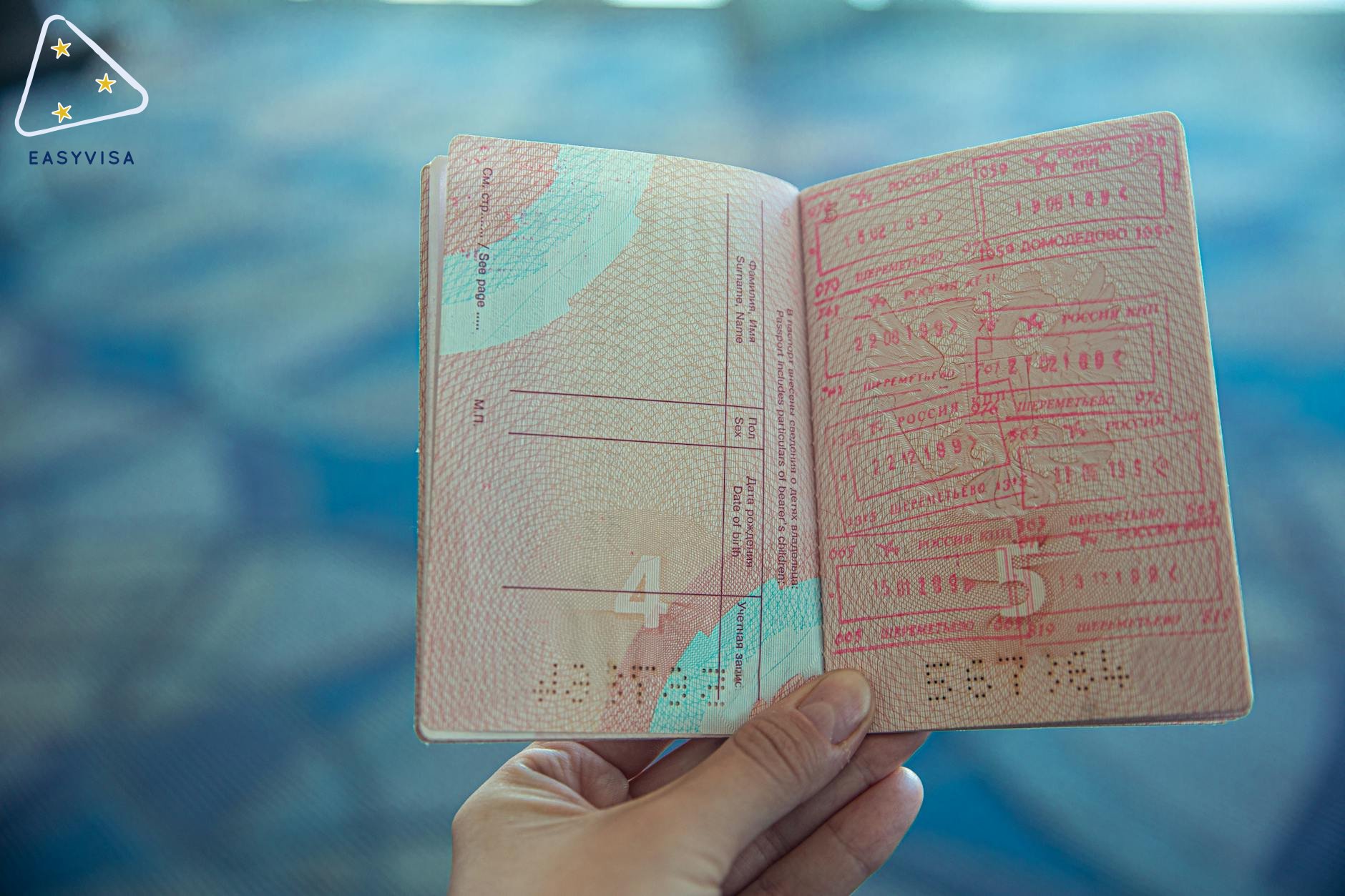
To ensure a successful application, both sponsors and applicants must prepare and submit various documents. These include proof of identity, such as passports and birth certificates, evidence of relationship, like marriage certificates or proof of cohabitation, and financial documents to demonstrate the sponsor's ability to support the family member. Accurate and complete documentation is essential to avoid delays or rejections in the application process.
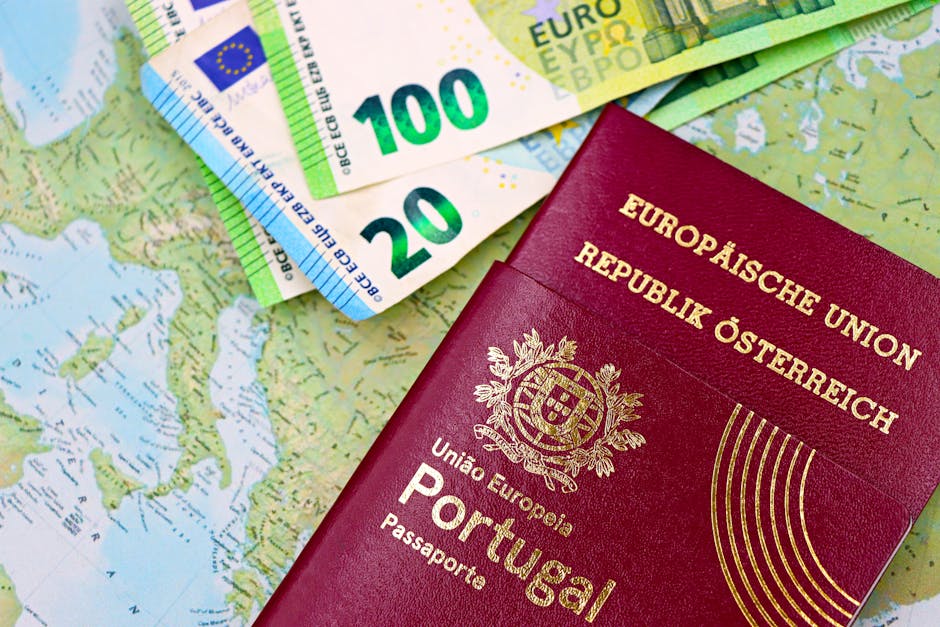 Photo by Marta Branco on Pexels
 Benefits of Sponsoring Family Members
Sponsoring family members to Canada offers numerous benefits, both for the sponsor and the sponsored individual. For sponsors, reuniting with loved ones in Canada can provide emotional support and a stronger family network. Sponsored family members gain access to Canada's healthcare system, education opportunities, and the chance to contribute to the Canadian economy. Furthermore, they can experience the rich cultural diversity and high quality of life that Canada offers.
Long-Term Impact on Families
Reuniting families through sponsorship can have a lasting positive impact. It strengthens family bonds, provides a support system for new immigrants, and enhances the integration process in Canada. Families can work together towards common goals, contribute to their communities, and enrich Canadian society with their unique perspectives and experiences.
 Photo by d_odd_y on Pexels
 Conclusion: Steps Forward in Family Sponsorship
The family sponsorship program plays a pivotal role in Canada's immigration framework, offering a pathway for families to reunite and thrive in a multicultural environment. As immigration policies continue to evolve, understanding the requirements and procedures for family sponsorship is crucial for potential sponsors and applicants. By navigating the application process effectively, families can achieve their dream of living together in Canada, contributing to the country's economic growth and cultural diversity.
Looking ahead, it is essential for both sponsors and applicants to stay informed about any changes in immigration policies and procedures. Engaging with reliable sources of information and seeking professional advice can help ensure a smooth and successful application process. Ultimately, family sponsorship is more than a legal process; it is a journey towards building a new life together in Canada.