The Canadian immigration landscape is constantly evolving, particularly concerning the processing times for various types of applications. As of June 24, 2026, significant improvements have been recorded in the processing times for work permits, study permits, visitor visas, and super visas. This article aims to provide a comprehensive overview of these changes and their implications for prospective applicants.
Improvements in Work Permit Processing Times
Work permits are crucial for individuals seeking employment opportunities in Canada. Recent updates have shown a marked decrease in processing times, especially for applications submitted from within Canada and Nigeria. As of June 24, the wait time for in-Canada work permits has reached a record low of 144 days, down from 171 days the previous week. This improvement represents a seven-week reduction for Nigerian applicants, who now face a nine-week wait, compared to the previous 16 weeks.
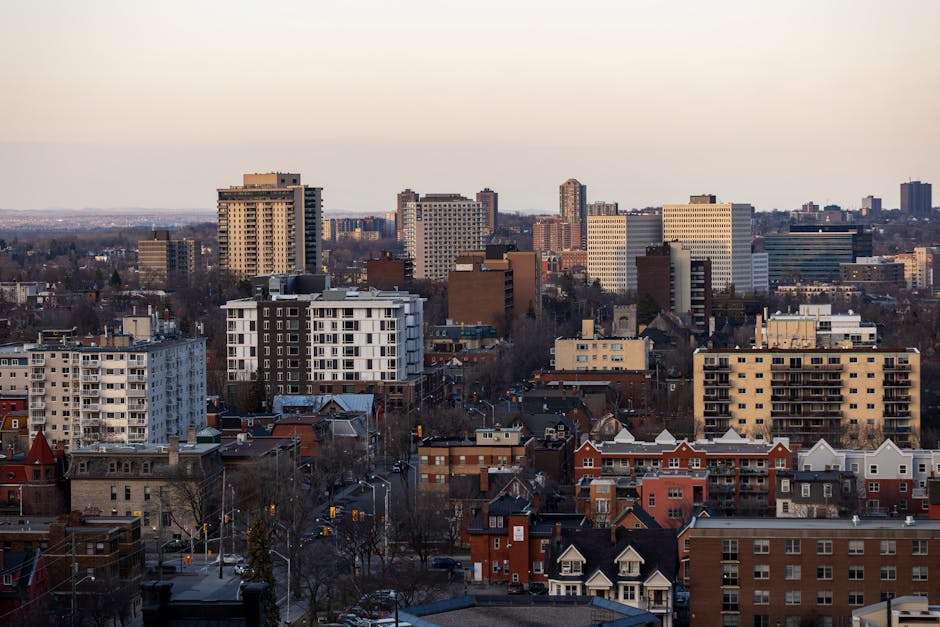 Photo by RUIQING BI on Pexels
 These changes align with Canada's ongoing efforts to streamline the immigration process and attract skilled workers. The service standard for in-Canada submissions remains at 120 days, while the standard for applications from outside Canada is 60 days. Such advancements highlight Canada's commitment to maintaining a competitive edge by ensuring a more efficient processing system.
Study Permit Processing Enhancements
Canada is a popular destination for international students, and the recent reduction in study permit processing times is a welcome development. Both India and Nigeria have experienced a one-week decrease in wait times, now standing at four and five weeks, respectively. These improvements are significant given the previous stagnation in processing durations.
The service standard for in-Canada submissions remains at 120 days, while outside Canada submissions have a 60-day target. By reducing wait times, Canada continues to position itself as an attractive destination for international students, fostering a diverse and dynamic educational environment.
Visitor Visa Processing Updates
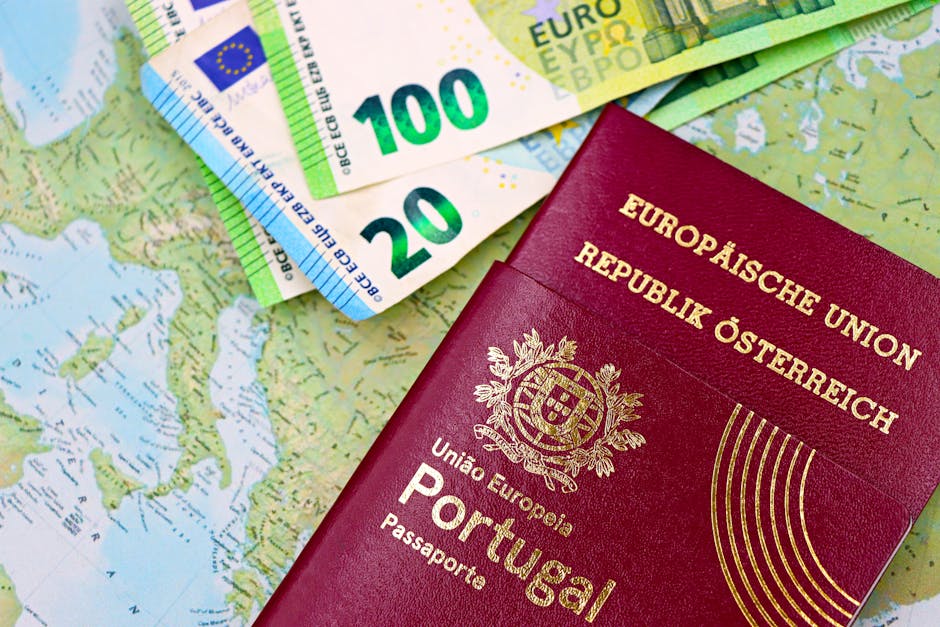 Photo by Marta Branco on Pexels
 Visitor visas are essential for those wishing to explore Canada's natural beauty and vibrant culture. Recent updates have shown marginal improvements in processing times for applications submitted from within Canada and India. The current wait time for Canadian submissions is 42 days, down from 44 days, while Indian applications are now processed in 22 days, a two-day reduction.
However, there has been a slight increase for Nigerian applicants, with current wait times extending to 54 days. Despite these fluctuations, the service standard for outside Canada submissions remains at 14 days, underscoring Canada's dedication to facilitating seamless visitor experiences.
Super Visa Processing Developments
Super visas offer extended family visits, primarily targeting parents and grandparents of Canadian citizens and permanent residents. Recent changes have seen a substantial reduction in processing times for Indian applicants, with a dramatic 44-day decrease, bringing the wait time to 66 days. Conversely, wait times for Pakistani applicants have increased by more than a week, now standing at 95 days.
 Photo by Ana Benet on Pexels
 These adjustments reflect Canada's ongoing efforts to balance demand and resources, ensuring that families can reunite more promptly. The service standard for super visas is set at 112 days, which serves as a benchmark for evaluating processing efficiency.
Conclusion: Navigating Canada's Immigration Landscape
The recent updates to Canada's immigration processing times signify a positive shift in the country's approach to managing applications. By reducing wait times for work permits, study permits, visitor visas, and super visas, Canada is making strides towards a more efficient and welcoming immigration system. These changes are particularly beneficial for individuals seeking employment, education, or family reunification opportunities in Canada.
As processing times continue to evolve, it's crucial for prospective applicants to stay informed and plan accordingly. Understanding the current landscape can help individuals make timely decisions and optimize their application strategies. Canada's commitment to improving processing efficiency reflects its dedication to fostering a diverse and inclusive society, attracting individuals from around the world to contribute to its cultural and economic fabric.
In conclusion, while challenges remain, the recent improvements in processing times are a testament to Canada's ongoing efforts to enhance its immigration system. As the country continues to refine its processes, applicants can look forward to more predictable and efficient experiences, paving the way for new opportunities and enriching Canada's multicultural landscape.