
Introduction to the Quebec Experience Program Reopening
Quebec's immigration landscape is set for significant changes with the re-opening of the Quebec Experience Program (PEQ) scheduled for July 2, 2026. This initiative, announced by Quebec's immigration ministry, provides a renewed pathway for permanent residence, aiming to balance the province's immigration targets with evolving economic needs. The PEQ will remain open for two years, concluding on July 2, 2028. This reopening is designed to address the demand from foreign nationals who were eligible for the program at the time of its closure in November 2025. By offering this opportunity, Quebec seeks to attract skilled individuals who can contribute to its economy and cultural diversity. The program will be implemented in two phases, with the first phase focusing on international graduates and foreign workers who meet specific eligibility criteria. These developments reflect Quebec's commitment to maintaining a dynamic, inclusive immigration policy that aligns with its long-term goals.
Phase One: Eligibility and Application Details
The first phase of the PEQ reopening, from July 2 to October 31, 2026, will cater to foreign nationals who had previously qualified through the international graduate and foreign worker streams. Applicants are required to reside in Quebec at the time of their application and must meet the eligibility criteria that were in place at the program’s closure. For international graduates, this includes having obtained a qualifying Quebec post-secondary credential by November 19, 2025, and residing in Quebec for at least half of their study program's duration. Additionally, they must demonstrate French language proficiency at the National Canadian Language Benchmarks (NCLC) level 5 in reading and writing, and level 7 in speaking and listening.
 Photo by Claudia Solano on Pexels
Foreign workers, on the other hand, must have accrued at least two years of skilled work experience in Quebec by the same date, be employed in a qualifying job, and exhibit a French language proficiency of at least NCLC 7 in speaking and listening. Notably, there will be no cap on applications for this phase, allowing for a potentially large intake of candidates. Applications will be accepted starting July 2, 2026, at 8:30 AM Eastern time, exclusively through new application forms available on Quebec's website.
Impact on Quebec's Skilled Worker Selection Program
During this initial phase of the PEQ reopening, Quebec will reduce the number of invitations issued through the Skilled Worker Selection Program (PSTQ). This strategic decision is aimed at focusing on candidates working in TEER 4 or 5 occupations and those yet to accumulate two years of work experience. As a result, Quebec anticipates a significant influx of applications, prompting it to withdraw its commitment to a six-month processing time. This adjustment underscores the province's intention to manage immigration intake efficiently while meeting its targets.
Future Phases and Long-term Immigration Strategy
The Quebec government has not yet disclosed its plans for subsequent phases of the PEQ. However, it has expressed its intention to assess the volume of applications received during the first phase before determining how to distribute permanent residence selection spots between the PSTQ and future PEQ intakes. From June 2026 through 2029, Quebec aims to issue an equal number of Quebec Selection Certificates (CSQs) across both the PSTQ and the PEQ, ensuring a balanced approach to immigration.
This strategy reflects Quebec's long-term vision of eventually phasing out the PEQ by July 2028, transitioning economic permanent residence selection entirely through the PSTQ. This phased approach is seen as a temporary measure to address immediate needs while aligning with the province's broader immigration objectives.
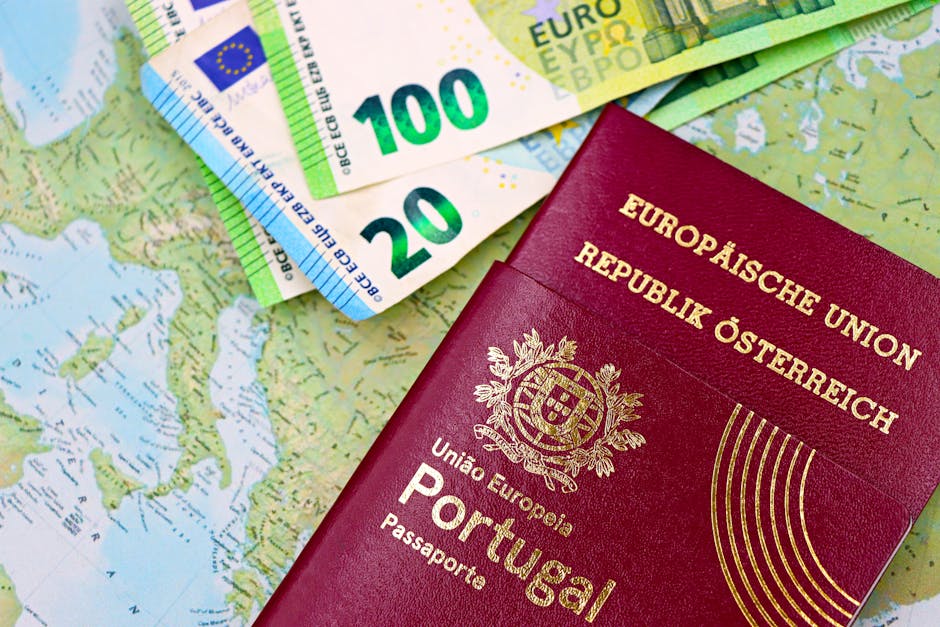 Photo by Marta Branco on Pexels
Conclusion: Opportunities and Challenges
The re-opening of the Quebec Experience Program represents a significant opportunity for international graduates and skilled workers wishing to establish themselves in Quebec. By reintroducing this pathway, Quebec is reaffirming its commitment to attracting talent that can contribute to its vibrant economy and cultural landscape. However, potential applicants must navigate the complexities of eligibility criteria and timely application submissions. As Quebec transitions towards its long-term immigration goals, the PEQ serves as a crucial bridge for both newcomers and the province.
While the reopening of the PEQ is a promising step, it also presents challenges, particularly in managing the anticipated high volume of applications within the specified timeframe. Applicants are encouraged to prepare thoroughly and stay informed about updates from Quebec's immigration authorities. Overall, the PEQ reopening marks a pivotal moment in Quebec's immigration policy, offering both opportunities and challenges as the province seeks to shape its future demographic and economic landscape.
 Photo by Rafael Rodrigues on Pexels
As Quebec continues to refine its immigration strategy, stakeholders, including prospective immigrants, employers, and policymakers, must work collaboratively to ensure the province remains an attractive destination for skilled individuals worldwide. By embracing innovative and inclusive immigration practices, Quebec can further its reputation as a welcoming and dynamic place to live and work.


