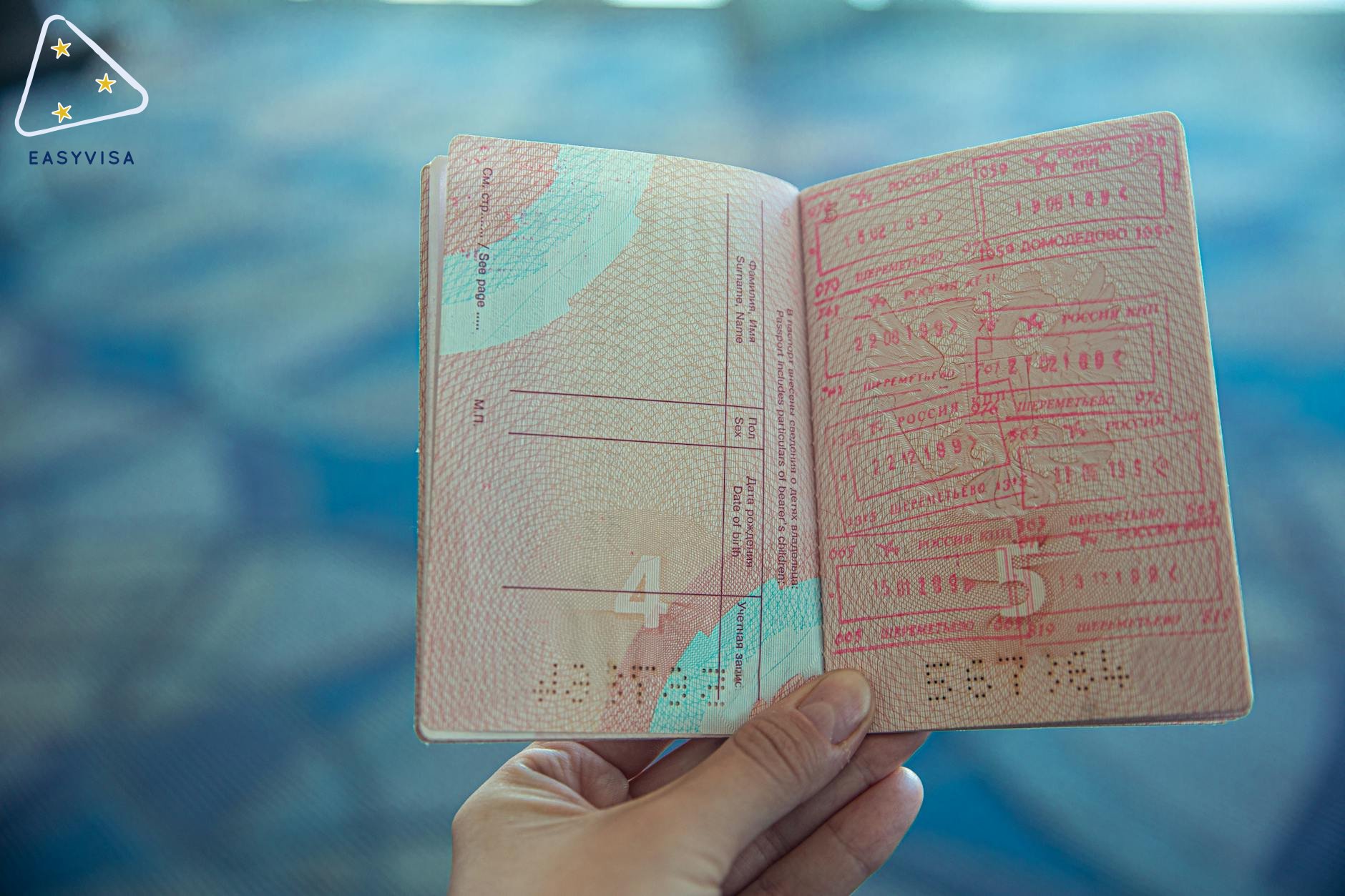
As of June 5, 2026, Canada has introduced a new entry requirement for travellers from Saint-Pierre-et-Miquelon. This change mandates most visa-exempt travellers to obtain an electronic travel authorization (eTA) when entering Canada by sea. The policy impacts those arriving by ferry, commercial, and private vessels, aiming to enhance Canada's border security measures.
Understanding the New eTA Requirement
The eTA is a significant addition to Canada's immigration framework, designed to streamline the entry process while maintaining robust security. Prior to this change, travellers from Saint-Pierre-et-Miquelon could enter Canada without needing an eTA if they arrived by sea. However, following concerns about individuals bypassing pre-arrival screenings by travelling between Saint-Pierre-et-Miquelon and Fortune, Newfoundland and Labrador, authorities have made eTAs mandatory.
The eTA is linked electronically to the traveller's passport and remains valid for up to five years or until the passport expires, whichever comes first. Applying for an eTA is straightforward and is done online, typically taking a few minutes for approval. This requirement aligns with similar rules for air travel from visa-exempt countries, ensuring consistency across different modes of entry.
There are exemptions to this rule, including passengers arriving by cruise ship, seafarers on commercial vessels, U.S. citizens and permanent residents, and French citizens who are residents of Saint-Pierre-et-Miquelon travelling directly to Canada.

Implications for Travellers
The introduction of the eTA requirement for sea travellers from Saint-Pierre-et-Miquelon reflects Canada's commitment to rigorous screening processes. For travellers, this means planning ahead to ensure compliance with the new rules. The online application process for an eTA is intended to be user-friendly, minimizing travel disruptions while upholding security standards.
Travellers should verify their eligibility for an eTA and ensure they have a valid passport. The Canadian government recommends applying for an eTA well in advance of travel, as it is a prerequisite for boarding vessels bound for Canada from Saint-Pierre-et-Miquelon.
Failure to secure an eTA could result in denied entry or boarding, highlighting the importance of understanding and adhering to these requirements. The new rule does not affect individuals from countries that require a visa to enter Canada, maintaining existing protocols for those travellers.
In summary, while the new eTA requirement introduces an additional step for many sea travellers from Saint-Pierre-et-Miquelon, it is a critical measure to enhance border security and streamline the entry process.
Future Outlook and Conclusion
Canada's decision to extend the eTA requirement to sea travellers from Saint-Pierre-et-Miquelon underscores a broader trend of tightening immigration controls globally. As countries strive to balance security with accessibility, such measures become integral to national policies. In the context of increasing cross-border movements, these rules serve to protect national interests while facilitating legitimate travel.
This policy shift also signals a proactive approach by Canadian authorities to address potential vulnerabilities in the immigration system. By requiring eTAs for sea entry, Canada harmonizes its screening procedures across different entry modes, contributing to a coherent immigration strategy.
For travellers, staying informed about such changes is crucial. Engaging with official government resources and planning ahead can prevent travel disruptions and ensure compliance with new regulations. As the global travel landscape evolves, adaptability and awareness remain key to navigating new requirements.
In conclusion, while the new eTA requirement for Saint-Pierre-et-Miquelon travellers reflects enhanced security measures, it also reinforces the importance of preparedness in international travel. By understanding these changes and acting accordingly, travellers can ensure a smooth journey while respecting Canada's immigration protocols.