Navigating the Latest Express Entry System: Insights and Upd

Explore the latest updates and strategies for Canada's Express Entry system in 2026, including key insights into the Provincial Nominee Program.
Express Entry Provincial Nominee Program Immigration Canada

Canada continues to be a top destination for immigrants worldwide, offering a robust immigration system designed to attract skilled workers. In 2026, the Immigration, Refugees and Citizenship Canada (IRCC) has made several updates to the Express Entry system, which remains one of the primary pathways for immigration to Canada. This article delves into the latest changes, focusing on the recent draws and strategies for candidates looking to optimize their profiles.

Overview of the Express Entry System in 2026

The Express Entry system, introduced in 2015, revolutionized Canada's approach to managing skilled worker applications. It is an online system used to manage applications for permanent residence from skilled workers. In 2026, the system continues to play a critical role in meeting Canada's immigration targets, with a focus on candidates who can contribute to the Canadian economy.

Recent Draws and Trends

As of early 2026, IRCC has issued a total of 9,255 Invitations to Apply (ITAs) across various draw types. The focus remains on the Provincial Nominee Program (PNP) and the Canadian Experience Class (CEC), reflecting the priorities of the Canadian government to welcome immigrants with existing ties to the country or provincial endorsements.

Draw DateDraw TypeCRS Cut-off ScoreITAs Issued
February 16Provincial Nominee Program789279
February 6French-Language Proficiency4008,500
February 3Provincial Nominee Program749423
January 21Canadian Experience Class5096,000

canada immigration office
Photo by David Kanigan on Pexels

Understanding the Provincial Nominee Program (PNP)

The Provincial Nominee Program (PNP) is a crucial component of Canada's immigration strategy. It allows provinces and territories to nominate individuals who wish to immigrate to Canada and who are interested in settling in a particular province. The PNP is designed to address specific labor market needs and demographic challenges faced by provinces.

Key Features of the PNP

The PNP has several features that make it attractive to potential immigrants:

  • Flexibility: Each province has its own streams and criteria, allowing for tailored immigration pathways.

  • Priority Processing: Candidates with a provincial nomination receive additional points in the Express Entry system, increasing their chances of receiving an ITA.

  • Enhanced Integration: PNPs align with regional economic needs, ensuring immigrants have skills in demand.

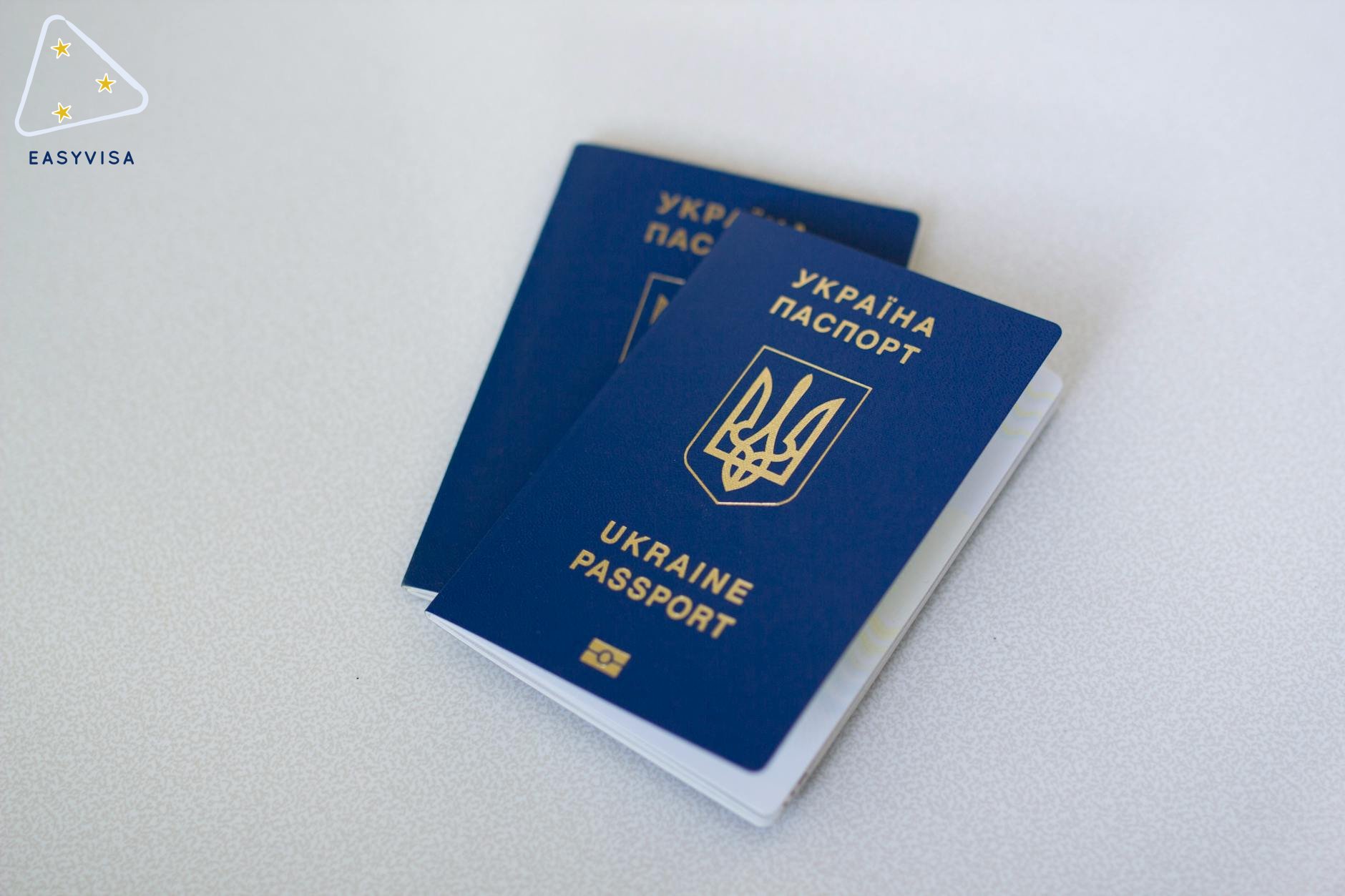
passport documents
Photo by Borys Zaitsev on Pexels

Strategies for Success in the Express Entry System

For candidates aiming to succeed in the Express Entry system, understanding the Comprehensive Ranking System (CRS) is essential. The CRS is a points-based system used to assess and score a candidate's profile to rank them in the Express Entry pool.

Optimizing Your Profile

Here are some strategies to enhance your Express Entry profile:

  • Improve Language Scores: Higher scores in language tests like IELTS or TEF can significantly boost your CRS score.

  • Gain Canadian Work Experience: Canadian work experience is highly valued and can increase your chances of receiving an ITA.

  • Seek a Provincial Nomination: As highlighted, a nomination through a PNP can add 600 points to your CRS score.

Conclusion

The Express Entry system remains a cornerstone of Canada's immigration policy, offering skilled workers a streamlined pathway to permanent residence. As we look into 2026, the focus on the Provincial Nominee Program and the Canadian Experience Class highlights Canada's commitment to welcoming immigrants who can contribute to its economy and integrate seamlessly into its society. By staying informed about the latest trends and optimizing their profiles, potential immigrants can improve their chances of success. As the year progresses, it will be interesting to see how these shifts continue to shape Canada's immigration landscape, providing opportunities for those who are prepared and informed.

airport terminal
Photo by Angelyn Sanjorjo on Pexels

Comments (4)

A
Alex Johnson
2026-02-17 17:02

Wow, this is super informative! I’ve just started my journey with the Express Entry system, and honestly, all this info is a bit overwhelming. But articles like this definitely help clear up some of the fog. Thanks for breaking it down!

J
Jessica
2026-02-17 17:02

Appreciate the info! I'm curious, how often do they update the Express Entry criteria?

T
Tom Anderson
2026-02-17 17:02

Super useful, thanks a million!

E
Emma Rodriguez
2026-02-17 17:01

Wow, this info is super timely for me! I've been trying to wrap my head around the Express Entry updates lately, and your insights really clarify things. Just applied last month and I'm anxious to see how these changes might impact my wait time!

Leave a Comment

Frequently Asked Questions

The Express Entry system is an online immigration management system introduced by Canada in 2015 to facilitate the application process for skilled workers seeking permanent residency. It allows candidates to create a profile and enter a pool of applicants, where they are ranked based on a Comprehensive Ranking System (CRS) that evaluates factors like age, education, work experience, and language proficiency. In 2026, the system continues to be a vital pathway for skilled immigrants, with updates aimed at improving efficiency and targeting candidates who can significantly contribute to the Canadian economy. Applicants may receive an Invitation to Apply (ITA) for permanent residency based on their ranking in the pool during periodic draws conducted by Immigration, Refugees and Citizenship Canada (IRCC).
Improving your Express Entry profile is crucial to increase your chances of receiving an Invitation to Apply (ITA). Start by enhancing your language skills; taking an approved language test and achieving high scores in English or French can significantly boost your Comprehensive Ranking System (CRS) score. Gaining additional work experience or obtaining a higher level of education can also help improve your ranking. Consider pursuing a provincial nomination, as this can add 600 points to your score, virtually guaranteeing an ITA. Additionally, ensure that all your credentials are accurately represented and that you have all necessary documents ready for submission. Staying informed about the latest changes in immigration policies and trends can help you adapt your strategy effectively.
In 2026, the Express Entry system has seen several updates aimed at streamlining the immigration process and better aligning it with Canada’s labor market needs. One significant change is the introduction of category-based draws, allowing the IRCC to issue Invitations to Apply (ITAs) to candidates with specific skills or work experience that match Canadian labor shortages. This means that candidates with expertise in fields like technology, healthcare, and skilled trades may have better opportunities to receive an ITA. Additionally, the IRCC has implemented measures to reduce processing times for applications, making the experience smoother for applicants. Staying updated with these changes is crucial for prospective immigrants to optimize their chances successfully.
The Comprehensive Ranking System (CRS) is a points-based system used by the Express Entry program to rank candidates in the pool of applicants. Points are awarded based on various factors such as age, education, work experience, language proficiency, and adaptability (which includes factors like previous work or study in Canada, or having a Canadian job offer). The total score is then used to determine eligibility for receiving an Invitation to Apply (ITA) during regular draws conducted by the IRCC. In 2026, the CRS continues to play a vital role in the Express Entry system, with candidates aiming to enhance their scores through various strategies, including obtaining provincial nominations or improving language test results. A higher CRS score increases the likelihood of being selected in draws, making it essential for candidates to understand and optimize their profiles.
Receiving an Invitation to Apply (ITA) is a crucial step in the Canadian immigration process. Once you receive an ITA through the Express Entry system, you have 60 days to submit your complete application for permanent residency. It is essential to gather all required documents, including proof of work experience, educational qualifications, language test results, and medical and criminal background checks. Ensure that all information is accurate and aligns with what you provided in your Express Entry profile, as discrepancies can lead to application refusal. After submitting your application, you may need to wait for further instructions or requests for additional information from Immigration, Refugees and Citizenship Canada (IRCC). Being prompt and organized during this phase can significantly enhance your chances of a successful application.

Rate this article

Average rating: 4.5 (0 votes)

Related Articles