Navigating Canadian Work Permits: Essential Updates and Oppo

Explore the latest updates on Canadian work permits, offering insights into new rules, pathways, and opportunities for international workers.
Immigration Updates International Workers Canadian Work Permits

In a rapidly evolving global job market, Canada continues to stand out as a prime destination for international workers. Recent updates and expansions to work permit policies highlight Canada's commitment to attracting global talent and supporting its growing economy. This article delves into the newest developments in Canadian work permits, offering a comprehensive overview of opportunities now available to international applicants.

Understanding Recent Changes in Canadian Work Permit Policies

Canada has introduced significant changes to its work permit policies, aiming to broaden access and simplify processes for international workers. Notably, the expansion of open work permits for spouses of workers at select British Columbia companies reflects a more inclusive approach. This policy adjustment allows spouses to engage in the Canadian workforce without the need for a separate labor market impact assessment (LMIA), thereby reducing processing times and bureaucratic hurdles.

LMIA-Exempt Work Permits: New Developments

Another key development is the extension of a pilot program that grants LMIA-exempt work permits, further simplifying the process for skilled workers and their families. This initiative is particularly beneficial for international professionals seeking to contribute to Canada's economy without the delay of extensive paperwork.

canada immigration office
Photo by Alesia Kozik on Pexels

New Rules and Pathways for International Workers

Recent announcements have unveiled new rules that determine who can work in Canada without a permit, expanding opportunities for international professionals and students. For instance, new facilitated work permit pathways for Taiwanese and Portuguese youths are now in place, reflecting Canada's strategic partnerships and commitment to cultural exchange.

Expedited Processing for Specific Professions

Quebec's updated list of professions eligible for expedited LMIA processing is a noteworthy advancement. This adjustment aligns with the province's economic needs, ensuring that essential sectors receive the skilled labor necessary for growth and development.

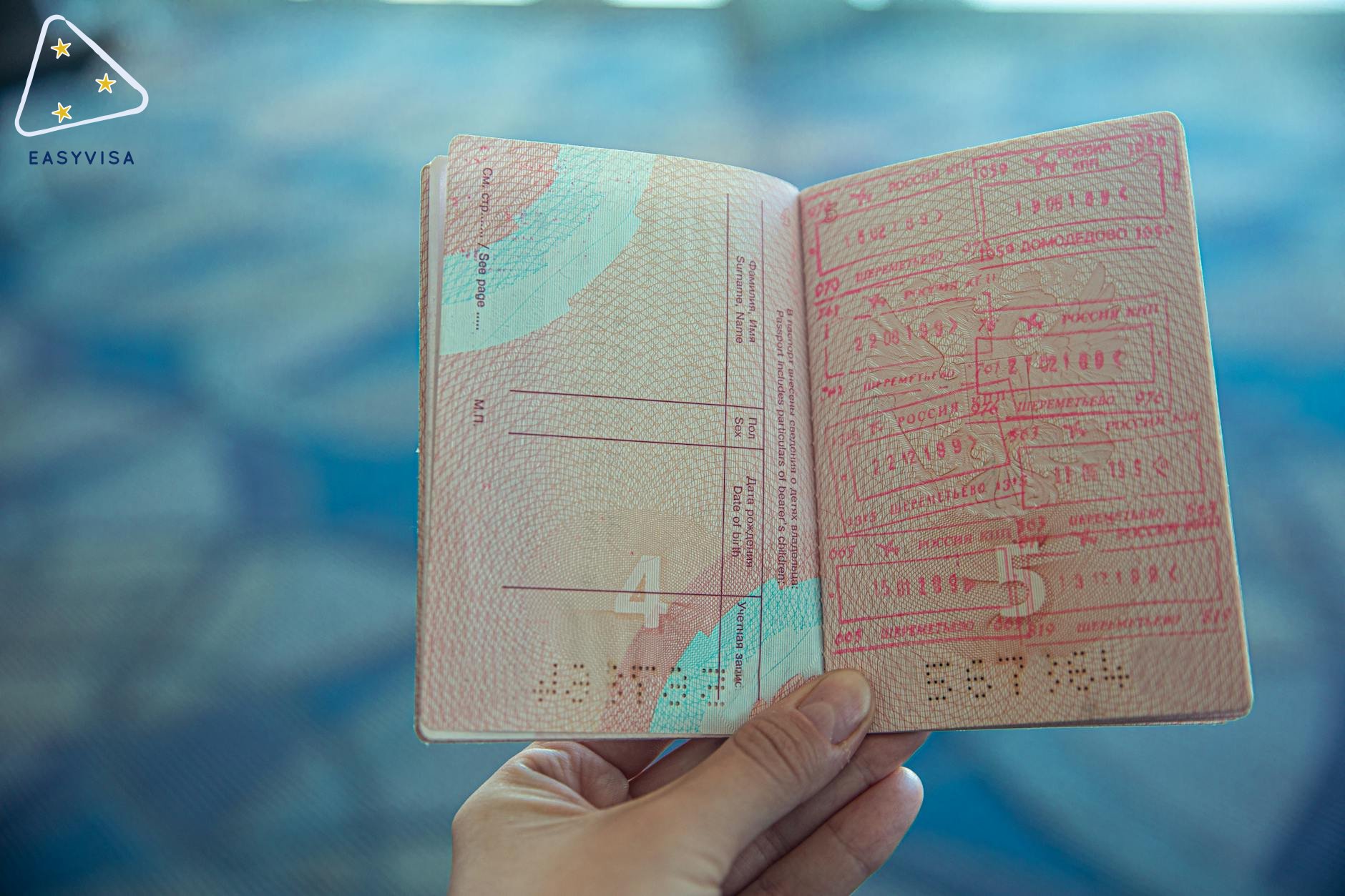
passport documents
Photo by Gül Işık on Pexels

Implications of New Trade Agreements on Work Permits

With ongoing reviews of North American trade agreements, there is potential for an expanded list of professionals eligible for special work permits. This could significantly impact workers from countries like India, Thailand, UAE, and those within the Mercosur trade bloc, offering new avenues for employment in Canada.

Opportunities and Challenges Ahead

While these updates present numerous opportunities, applicants must remain vigilant about common pitfalls, such as errors leading to premature work permit expiry. Understanding the nuances of these policies is crucial for maximizing one's chances of success in the Canadian job market.

airport terminal
Photo by Angelyn Sanjorjo on Pexels

Conclusion: Navigating the Future of Work Permits in Canada

As Canada continues to refine its immigration policies, international workers stand to benefit from a more streamlined and accessible process. The recent expansions and rule changes reflect a forward-thinking approach, designed to attract talent and foster economic growth. For prospective applicants, staying informed and proactive is essential. By understanding the latest developments and leveraging new opportunities, international professionals can successfully navigate the complexities of Canadian work permits and contribute meaningfully to the country's diverse workforce.

Comments (5)

D
David Kim
2026-03-26 14:00

Wow, this is super helpful! I feel way more confident about taking the next steps. Excited to dive in!

L
Lisa Patel
2026-03-26 14:00

I just started looking into moving to Canada for work, and this info is super helpful! I didn’t know about the recent updates on work permits. Do you think it’s easier now for someone with my background in tech?

E
Emma Rodriguez
2026-03-26 14:00

Hey! I found the section about the Express Entry updates super helpful. It clarified how the points system works now, and that made me feel more confident about my application. Thanks for breaking it down!

P
Priya Sharma
2026-03-26 14:00

Great info here! Just wondering, do these updates impact the tech industry specifically?

J
James Wilson
2026-03-26 14:00

Great info! I'm curious, how long does the application process usually take for a work permit?

Leave a Comment

Frequently Asked Questions

Canada has made significant updates to its work permit policies to enhance accessibility for international workers. One of the key changes is the expansion of open work permits for spouses of workers employed at specific companies in British Columbia. This means that spouses can work in Canada without needing a separate labor market impact assessment (LMIA), which streamlines the process and reduces waiting times. Additionally, the government is focusing on simplifying application procedures and broadening eligibility criteria for various work permits. These changes reflect Canada's commitment to attracting global talent and supporting its economy by making it easier for skilled workers and their families to contribute to the workforce.
Open work permits allow individuals to work for any employer in Canada, providing them with greater flexibility and freedom in choosing job opportunities. They are particularly beneficial for spouses of skilled workers, as they can work without being tied to a specific employer. In contrast, closed work permits are job-specific and require a Labor Market Impact Assessment (LMIA) or are based on a specific job offer. This means the holder can only work for the employer named in the permit and cannot change jobs without applying for a new permit. Understanding the differences between these two types of permits is crucial for international workers to navigate the Canadian immigration system effectively.
A Labor Market Impact Assessment (LMIA) is a document that employers in Canada may need to obtain before hiring a foreign worker. It assesses the potential impact of hiring a foreign national on the Canadian labor market. Essentially, an LMIA determines whether there is a need for a foreign worker and whether hiring one will negatively affect the job opportunities for Canadians. The process involves demonstrating that there are no qualified Canadians or permanent residents available to fill the position. However, recent policy changes in Canada have introduced LMIA-exempt categories, which simplify the process for certain workers, particularly those in high-demand occupations or those accompanying skilled workers.
The new open work permits introduced in British Columbia are designed for spouses of skilled workers who are employed at designated companies. To qualify, the primary applicant must be a foreign worker with a valid job offer from a company that meets the requirements set by the Canadian government. The spouse must provide proof of their relationship and the primary applicant’s work permit status. These open permits allow spouses to work in various fields without needing to go through the LMIA process, making it easier for families to settle and thrive in Canada. It's an excellent opportunity for families to improve their quality of life and fully engage in the Canadian workforce.
Applying for a Canadian work permit involves several steps. First, you need to determine which type of work permit you require—open or closed—based on your situation. If you're applying for a closed work permit, you will typically need a job offer from a Canadian employer and, in most cases, an LMIA. On the other hand, if you're eligible for an open work permit, you will need to gather documents proving your eligibility. The next step is to complete the application form, which can be done online or via paper application, depending on your preference. Ensure that you provide all necessary documentation, including identification, proof of qualifications, and any supporting letters. Finally, submit your application and pay the processing fee. After submission, you may need to attend a biometrics appointment or an interview. It's essential to keep track of your application status and be prepared for any additional requests from immigration authorities.

Rate this article

Average rating: 4.5 (0 votes)

Related Articles