
Canada's immigration system is a dynamic framework designed to accommodate skilled workers, families, and refugees seeking new opportunities. As the system evolves, understanding its components and pathways is crucial for prospective immigrants. This article provides a comprehensive overview of Canada's immigration programs, necessary documentation, and recent updates to help applicants navigate the process smoothly.
Understanding Canada's Immigration Pathways
Canada offers a variety of immigration pathways tailored to different needs and qualifications. The Express Entry system is one of the most popular routes, facilitating the immigration of skilled workers by managing applications for three federal economic immigration programs: the Federal Skilled Worker Program, the Federal Skilled Trades Program, and the Canadian Experience Class. These programs target individuals who possess the skills and experience required to contribute to Canada's economy.
Another significant pathway is the Provincial Nominee Program (PNP), which allows provinces and territories to nominate individuals who meet specific local labor market needs. Each province has its own set of requirements and streams, often focusing on skilled workers, students, and business immigrants.
 Photo by Eliezer Muller on Pexels
Family reunification is also a central pillar of Canada's immigration policy. The Family Class Sponsorship program enables Canadian citizens and permanent residents to sponsor relatives, ensuring families can live together in Canada. Additionally, the Start-Up Visa Program attracts entrepreneurs with innovative business ideas that can create jobs for Canadians and compete globally.
Essential Documents for Immigration
Preparing the necessary documentation is a critical step in the immigration process. Applicants typically need to provide proof of identity, educational credentials, and work experience. Language proficiency is another vital requirement, with tests such as the IELTS or CELPIP needed to demonstrate proficiency in English or French.
For those applying through the Express Entry system, obtaining an Educational Credential Assessment (ECA) is mandatory to verify that foreign education credentials are equivalent to Canadian standards. Additionally, police clearance certificates and medical examinations ensure that applicants meet health and security standards.
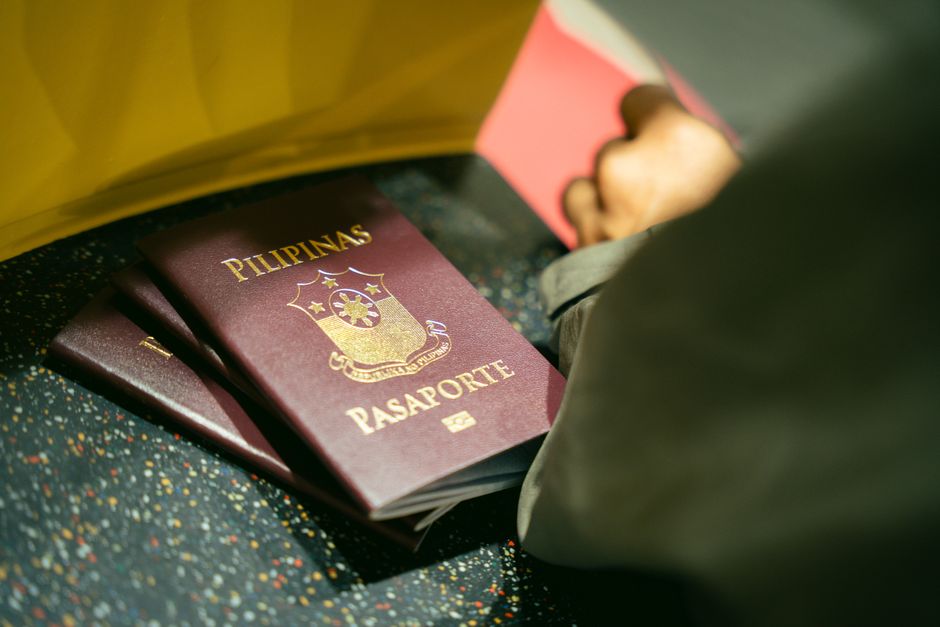 Photo by Kenneth Surillo on Pexels
Supporting documents, such as letters of reference from previous employers, can bolster an application by providing evidence of work experience and skills. It is crucial to ensure all documents are accurate, up-to-date, and translated into English or French if necessary.
Recent Updates to Canada's Immigration Policies
Canada's immigration policies are continually updated to reflect changing economic needs and global circumstances. Recent developments include measures to accommodate the impacts of the COVID-19 pandemic, such as virtual interviews and extended deadlines for document submissions.
The government has also introduced initiatives to attract more immigrants to rural and northern communities through the Rural and Northern Immigration Pilot. This program aims to address labor shortages in smaller communities by offering pathways to permanent residence for skilled workers who wish to live and work in these areas.
 Photo by Erik Mclean on Pexels
Moreover, Canada's commitment to humanitarian efforts remains strong, with ongoing support for refugees and asylum seekers. Programs are regularly assessed to ensure fairness and transparency while maintaining the integrity of the immigration system.
Conclusion: Navigating the Journey to Canada
Immigrating to Canada is a transformative journey that offers numerous opportunities for growth and fulfillment. By understanding the various pathways and requirements, applicants can better prepare for the process and increase their chances of success. Staying informed about policy updates and leveraging available resources are essential steps in making the transition as smooth as possible.
Canada's welcoming immigration policies and diverse programs reflect its commitment to building a robust and inclusive society. As the country continues to adapt to global changes, prospective immigrants can look forward to a supportive environment that values their contributions and potential.


