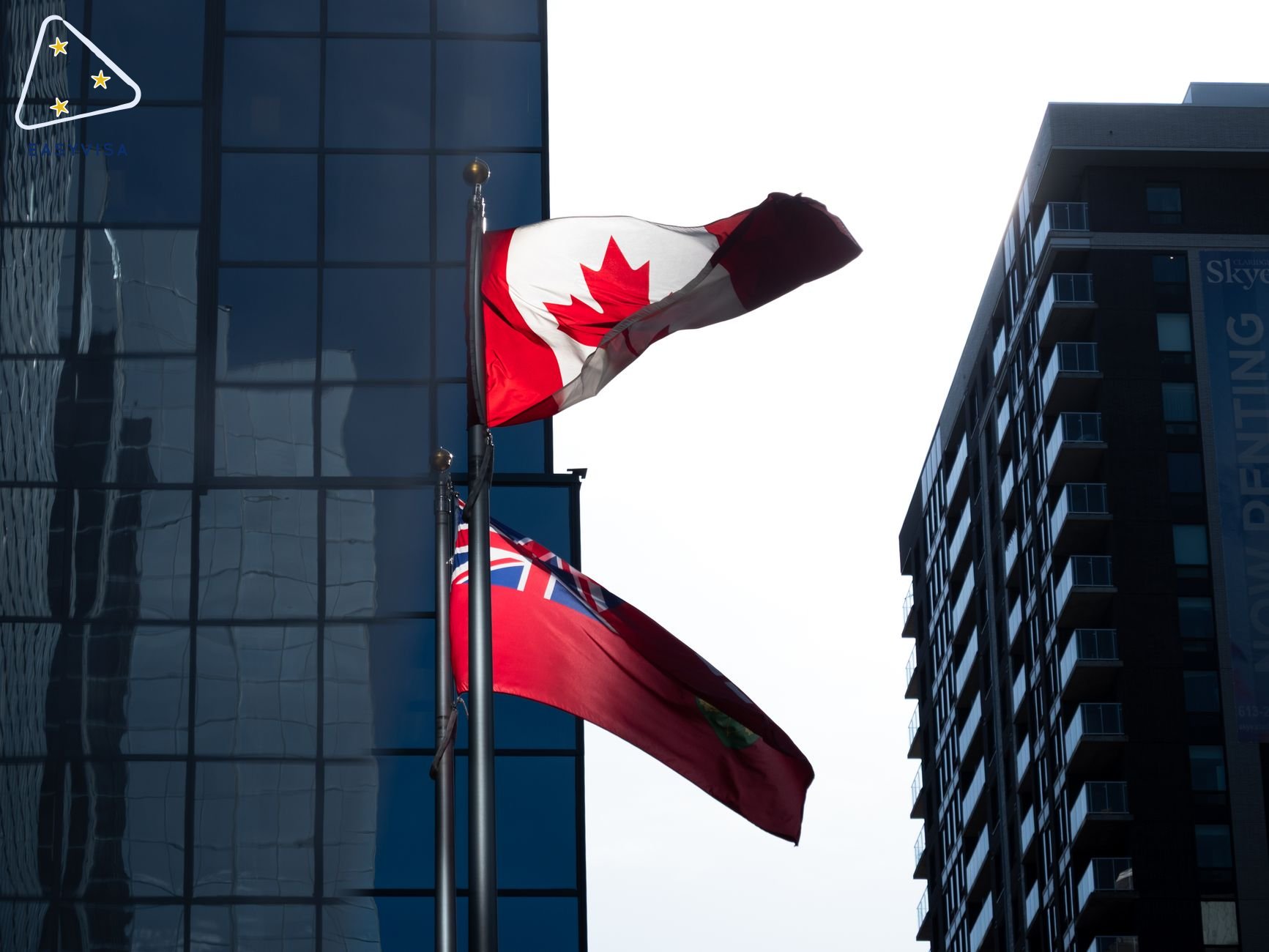
Manitoba, a province known for its vibrant cultural tapestry, is embarking on an innovative journey to strengthen Francophone immigration. This new initiative aims not only to boost the number of Francophone immigrants but also to enrich the cultural and economic landscape of Manitoba. As part of Canada's broader immigration strategy, this project underscores the importance of diversity and inclusion in building robust communities. With the Honourable Lena Metlege Diab's announcement, the focus is on creating sustainable pathways for Francophone immigrants, ensuring their successful integration into the local economy and society.
Understanding Francophone Immigration
Francophone immigration plays a crucial role in maintaining Canada's bilingual heritage. Manitoba, with its historical ties to French culture, provides a unique environment for Francophone immigrants. The new project aims to leverage these cultural ties to attract more French-speaking newcomers. By doing so, Manitoba hopes to address labor shortages in key sectors and enhance cultural diversity.
One of the core objectives is to create targeted immigration programs that cater specifically to French-speaking individuals. This includes tailored support services, language training, and community integration initiatives. By focusing on these areas, the government seeks to create a welcoming environment for Francophone immigrants, ensuring they have the resources needed to thrive.
 Photo by Erik Mclean on Pexels
Impact on Manitoba's Economy
The economic implications of this project are significant. By attracting skilled Francophone immigrants, Manitoba can address labor market gaps in industries such as healthcare, technology, and education. These sectors have been identified as critical for the province's economic growth, and Francophone immigrants bring a wealth of skills and experience that can drive innovation and development.
Moreover, the project is expected to stimulate local businesses and contribute to the province's GDP. As Francophone immigrants integrate into the workforce, they will create demand for goods and services, supporting local entrepreneurs and businesses. This multiplier effect will not only boost the economy but also foster a more inclusive and dynamic market environment.
 Photo by Borys Zaitsev on Pexels
Community and Cultural Benefits
Beyond the economic advantages, the project aims to enrich Manitoba's cultural landscape. Francophone immigrants bring diverse perspectives, traditions, and languages that can enhance community life. By fostering a multicultural environment, Manitoba can celebrate its rich heritage and promote social cohesion.
The project includes community engagement initiatives designed to facilitate cultural exchange and understanding. These initiatives will create opportunities for Francophone immigrants to share their traditions and participate in local cultural events. In turn, this will promote mutual respect and appreciation among different cultural groups, strengthening the social fabric of Manitoba.
 Photo by Matthis Volquardsen on Pexels
Challenges and Future Outlook
While the potential benefits are significant, there are challenges to be addressed. Ensuring the successful integration of Francophone immigrants requires a comprehensive approach that includes language support, employment opportunities, and access to social services. The government recognizes these challenges and is committed to providing the necessary resources and support to overcome them.
Looking ahead, the future of Francophone immigration in Manitoba appears promising. With continued investment in targeted programs and community engagement, Manitoba can become a leading destination for Francophone immigrants. This project not only aligns with Canada's national immigration goals but also positions Manitoba as a model for successful multicultural integration.
Conclusion
In conclusion, the project to enhance Francophone immigration in Manitoba is a significant step forward in promoting cultural diversity and economic growth. By creating targeted pathways for French-speaking immigrants, the initiative aims to address labor market needs while enriching the cultural fabric of the province. As Manitoba embarks on this innovative journey, the focus remains on building inclusive communities where Francophone immigrants can thrive and contribute meaningfully to society.
Ultimately, this project reflects a broader commitment to diversity, inclusion, and sustainable development. By embracing Francophone immigrants, Manitoba is not only preserving its bilingual heritage but also paving the way for a prosperous and harmonious future. Through collaboration and engagement, the province can harness the potential of Francophone immigration to drive growth and innovation, benefiting all Manitobans.