In recent years, Canada has introduced a range of legislative changes aimed at simplifying the citizenship process for individuals with Canadian ancestry. These changes have opened the door for millions of Americans who may unknowingly qualify for Canadian citizenship. With the passing of Bill C-3, the previous restrictions on citizenship by descent have been lifted, allowing those with Canadian roots to claim their rightful status. This article delves into the intricacies of the new law, the historical migration patterns that connect the U.S. and Canada, and the potential pathways to obtaining proof of citizenship.
Understanding the New Canadian Citizenship Law
The introduction of Bill C-3 marked a significant shift in Canadian citizenship legislation. Previously, the first-generation limit restricted citizenship by descent to only one generation born abroad. This meant that many individuals with Canadian ancestry were unable to claim citizenship if their Canadian ancestor was more than one generation removed. However, under the new law, any person born before December 15, 2025, who can trace an unbroken lineage to a Canadian ancestor, may qualify for citizenship. This change has profound implications for Americans with Canadian roots, offering them an opportunity to explore their heritage and gain a second citizenship.
Impact of the First-Generation Limit Removal
The removal of the first-generation limit has amplified the number of individuals eligible for Canadian citizenship. For instance, consider a teacher in Ohio whose great-grandmother was Canadian. Under the old rules, this connection would not have been sufficient. Now, not only does this lineage qualify her for citizenship, but her children also stand to benefit. This legislative shift underscores Canada's commitment to embracing its diaspora and strengthening ties with individuals of Canadian descent around the world.
Tracing Canadian Ancestry: A Historical Overview
The connection between Canada and the United States is deeply rooted in history, with significant migration occurring between the two nations over the centuries. Between 1840 and 1930, nearly 900,000 French-speaking Canadians left Quebec for the United States, particularly settling in New England's textile mills. As these immigrants integrated into American society, many altered their surnames, either anglicizing them or adopting new ones altogether. This makes tracing Canadian ancestry a complex yet intriguing endeavor.
Geographical Indicators and Surname Clues
Geography plays a crucial role in identifying potential Canadian ancestry. Regions such as New England and the Upper Midwest, including states like Michigan, Minnesota, and Wisconsin, are hotspots for descendants of Canadian immigrants. Additionally, certain surnames carry a strong likelihood of Canadian roots. Names like Tremblay, Ouellet, and Desjardins have a high statistical probability of being linked to Canada. Even anglicized surnames like White, King, and Wood can hint at a hidden Canadian connection. Exploring these geographical and genealogical clues can be the first step in uncovering one's Canadian heritage.
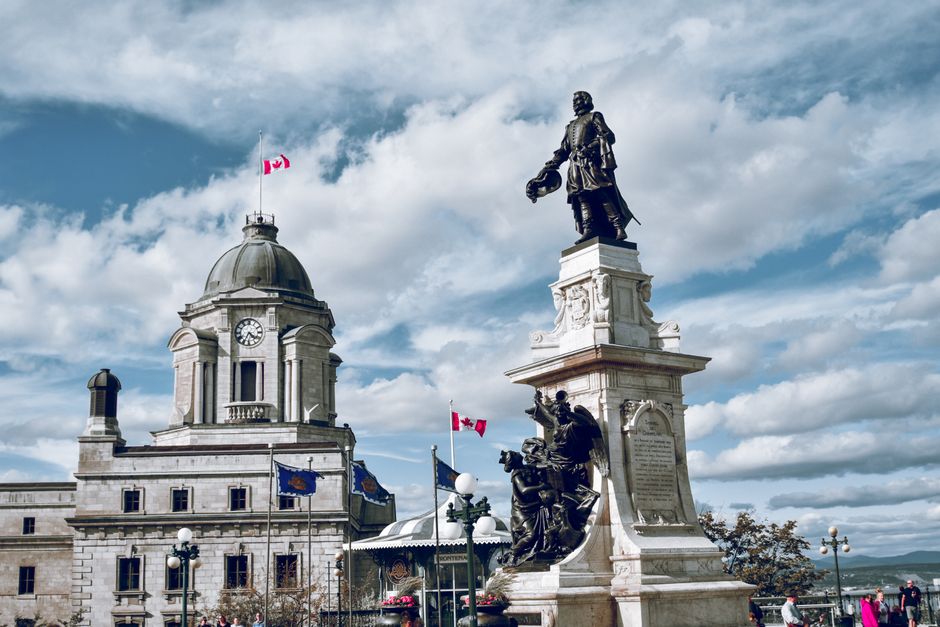 Photo by Nour Abiad on Pexels
The Process of Applying for Proof of Canadian Citizenship
For those who discover potential Canadian ancestry, the next step is to apply for proof of citizenship. This process involves gathering necessary documentation to establish the connection to a Canadian ancestor. Key documents may include birth certificates, marriage records, and other historical documents that trace lineage. The application for proof of citizenship is a crucial step that provides a formal acknowledgment of one's Canadian status.
Challenges and Considerations in the Application Process
While the application process is straightforward, it can be time-consuming and requires thorough documentation. Processing times for citizenship certificates can take up to 15 months, reflecting the high demand and complexity involved. Despite the lengthy wait, the benefits of obtaining Canadian citizenship, such as access to universal healthcare and the ability to live and work in Canada, make the process worthwhile for many applicants. Individuals are encouraged to utilize resources like CanadaVisa's eligibility checker to determine their qualification before embarking on the application journey.
 Photo by Pavel Danilyuk on Pexels
Conclusion: Embracing Canadian Heritage
The newfound opportunity for Americans to claim Canadian citizenship through ancestry is a testament to the enduring connections between the two nations. By understanding the historical migration patterns and leveraging the changes in Canadian citizenship law, individuals can explore their heritage and gain the benefits associated with Canadian citizenship. The process of uncovering one's Canadian roots not only provides a sense of identity and belonging but also opens doors to new opportunities for future generations. As more individuals become aware of their potential eligibility, the ties between Canada and the United States will continue to strengthen, fostering a shared cultural and historical legacy.
For those interested in pursuing this journey, it is important to conduct thorough genealogical research and gather the necessary documentation to support their application. The path to Canadian citizenship may be filled with challenges, but the rewards of embracing one's heritage and securing a connection to Canada are invaluable. Whether driven by a desire to connect with one's roots, seek new opportunities, or provide a better future for their children, the pursuit of Canadian citizenship is a meaningful endeavor that resonates with individuals across generations.
 Photo by Marta Branco on Pexels
Ultimately, this exploration of Canadian ancestry enables individuals to celebrate their cultural heritage and contribute to the vibrant tapestry of Canada's multicultural society. As the awareness of this opportunity spreads, more Americans will discover their hidden Canadian citizenship and the myriad benefits that come with it, enriching both their personal lives and the broader Canadian community.