Introduction to Canadian Immigration Processing Times
In recent months, there have been significant updates regarding Canadian immigration processing times. These changes have influenced various application categories, including economic immigration programs, family sponsorship, and citizenship applications. Understanding these timelines is crucial for applicants to manage their expectations and plan accordingly. This article delves into the latest updates as of July 2023, comparing them to previous months' data to provide a comprehensive view of the current landscape. We will explore specific programs such as the Canadian Experience Class, Provincial Nominee Programs, and the Parents and Grandparents Program, among others. Additionally, we will discuss how processing times differ from service standards and the implications for applicants.
Economic Immigration Processing Times
The economic immigration category encompasses several programs designed to attract skilled workers to Canada, such as the Canadian Experience Class (CEC) and the Provincial Nominee Program (PNP). As of July 2023, notable changes in processing times have been observed across these programs. For instance, the CEC processing time has decreased by one month compared to the previous update, aligning with the Immigration, Refugees and Citizenship Canada's (IRCC) service standard of six months. However, for Express Entry-aligned PNP applications, there is a one-month increase in the processing timeline, reflecting the ongoing adjustments in managing application volumes.
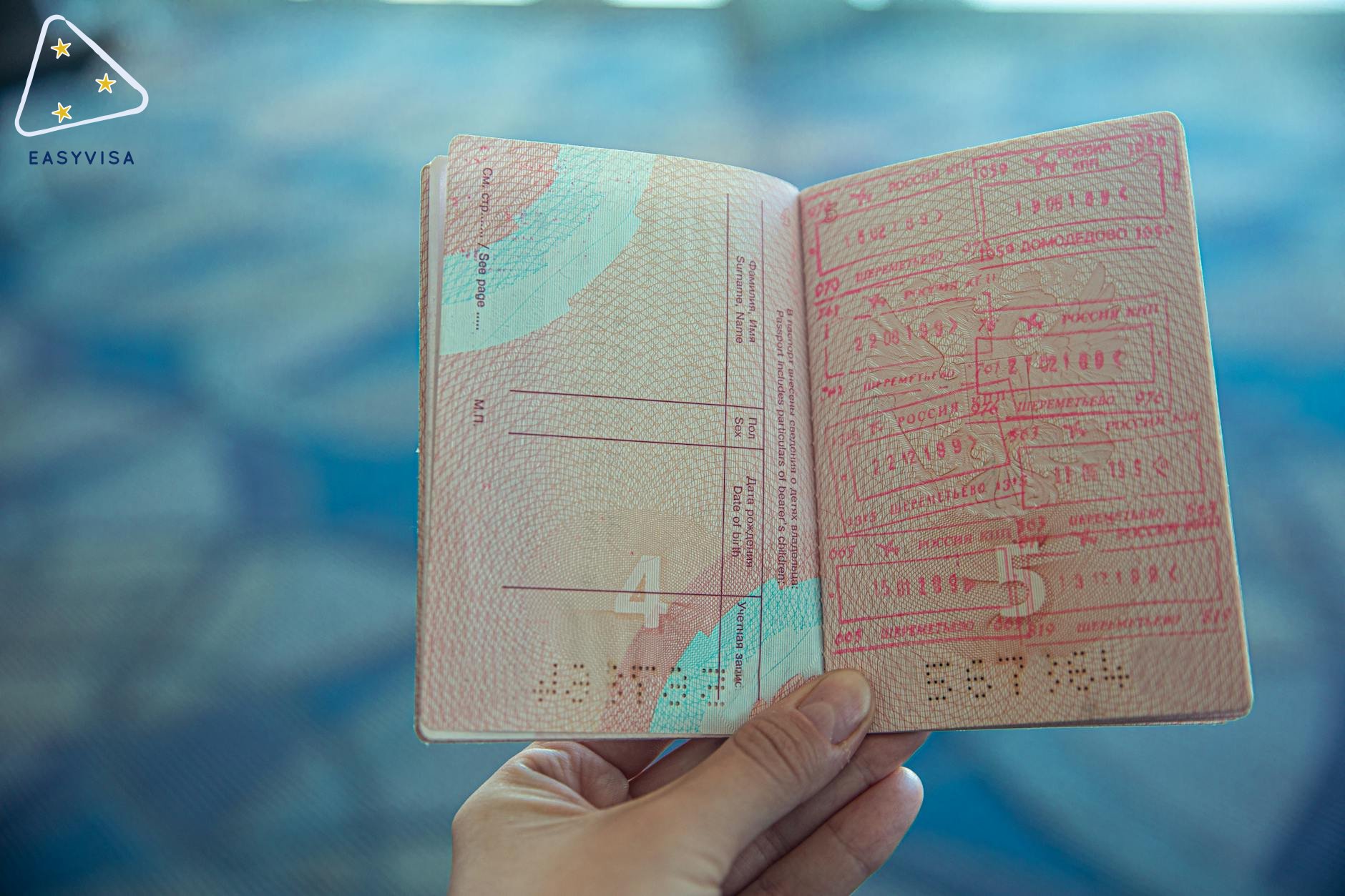
Applicants in the Federal Skilled Worker Program (FSWP) and the Federal Skilled Trades Program (FSTP) have not experienced changes in processing times. The IRCC continues to adjust its strategies to efficiently handle the application backlog, aiming to meet service standards where applicable.  Photo by Burst on Pexels
Provincial Nominee Programs
Provincial Nominee Programs are a crucial part of Canada's immigration strategy, allowing provinces to address specific labor market needs. The July update shows a dichotomy between base and enhanced PNP applications. Base PNP applications have seen a reduction in processing times by one month, now standing at 12 months, which is an improvement compared to previous months. Enhanced PNP applications, however, have experienced an increase to seven months, slightly above the six-month service standard. These fluctuations highlight the dynamic nature of the immigration process and the need for prospective immigrants to stay informed.
Family Sponsorship Processing Times
Family sponsorship remains a priority for Canada, aiming to reunite families while maintaining efficient processing standards. Recent updates indicate a mixed trend in processing times for different categories within family sponsorship. The Parents and Grandparents Program (PGP) has seen a decrease in processing times, both within and outside Quebec, reaching the lowest levels observed in several months. Specifically, outside Quebec, the PGP processing time has reduced to 30 months, while within Quebec, it has decreased to 65 months. These improvements reflect IRCC's efforts to streamline family reunification processes.
Conversely, spousal sponsorship applications have experienced a slight increase in processing times. For applicants residing outside Canada, the timeline has increased by one month, now standing at 17 months. This variation underscores the importance of understanding the unique challenges faced by different categories of applicants.  Photo by Kari Alfonso on Pexels
Sponsorship Within Quebec
For applications intended for settlement within Quebec, processing times have remained relatively stable, except for the PGP, which has seen positive changes. Spousal sponsorship times have stayed at 32 months for those living inside Canada and 33 months for those outside. These consistent timelines highlight the distinct processing procedures for Quebec, necessitating prospective applicants to be well-versed with the province-specific regulations and standards.
Citizenship Application Processing Times
Citizenship applications form a significant part of the immigration journey, with recent updates showing a promising trend in processing times. The July 2023 update reveals a reduction in the processing time for citizenship grants, declining to 12 months, which is the lowest since April 2026. This improvement aligns with IRCC's service standard, providing a positive signal for applicants aiming to achieve Canadian citizenship.
Other categories, such as renunciation of citizenship and search of citizenship records, have maintained consistent timelines, reflecting stability in these areas. For applicants, this stability offers a clearer timeline for the completion of their citizenship journey, facilitating better planning and decision-making.  Photo by Terrence Bowen on Pexels
Understanding Processing Times and Service Standards
While processing times provide an estimated timeline for application completion, it is crucial to differentiate them from service standards. Processing times are updated regularly, offering guidance based on historical and forward-looking estimates. In contrast, service standards represent IRCC's internal targets, aiming for a set percentage of applications to be processed within a specific timeframe. Understanding these distinctions helps applicants set realistic expectations and better navigate the immigration process.
Conclusion
As the Canadian immigration landscape evolves, staying informed about processing times and service standards is vital for prospective immigrants. The July 2023 updates highlight both improvements and challenges across various categories, necessitating a proactive approach to application planning. Economic immigration programs, such as the Canadian Experience Class and Provincial Nominee Programs, continue to adjust to meet service standards, while family sponsorship categories demonstrate a commitment to reunification efforts. Citizenship applications show promising trends, with reduced processing times aligning with service standards. For applicants, understanding these dynamics and distinctions between processing times and service standards is essential for successful navigation of the immigration journey. As IRCC continues to refine its processes, staying updated with the latest information ensures a smoother application experience.