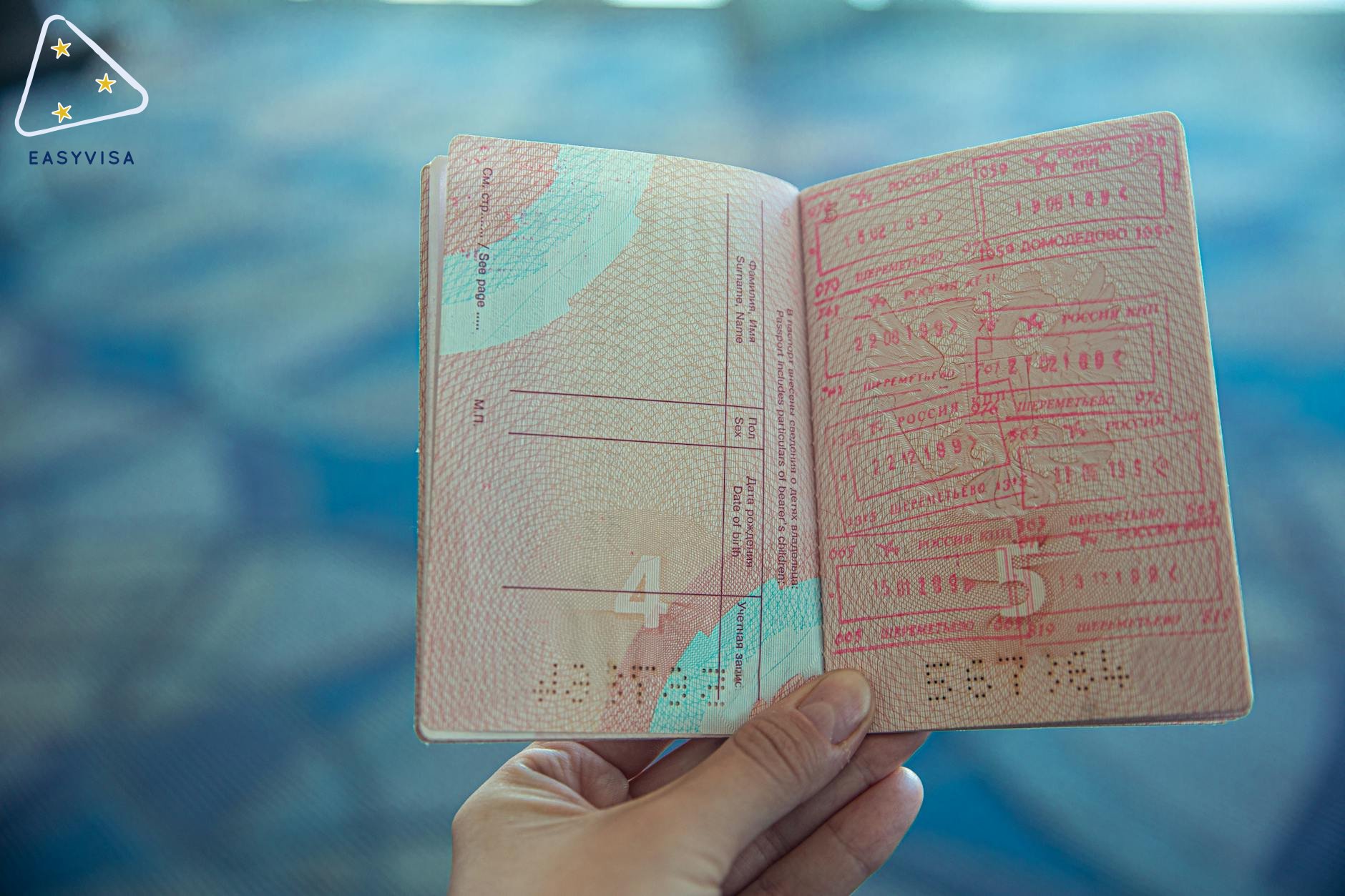
The journey of Polish immigrants to North America is a tale of resilience and opportunity. While many Poles initially aimed for the bustling cities of the United States, a significant number found their way to Canada. This migration, particularly during the early to mid-20th century, created a unique lineage that could connect you to Canadian citizenship today. Understanding this historical migration and the recent legal changes can open doors to citizenship by descent, a path that many are unaware exists.
The Historical Context of Polish Migration to Canada
In the early 20th century, Polish immigrants faced numerous challenges. The United States was a preferred destination until the Immigration Act of 1924 limited Eastern European arrivals. Consequently, many Poles turned to Canada, where immigration policies were more welcoming. Between the 1920s and the post-war period, approximately 130,000 Poles settled in Canada, primarily in provinces like Manitoba, Saskatchewan, and Ontario.
This migration wave was not just about seeking economic opportunities. It was also a response to geopolitical upheavals in Europe. After World War II, Canada became a refuge for displaced Polish individuals, including veterans and orphans. These new Canadians contributed significantly to the country's cultural fabric, establishing vibrant Polish communities across the nation.
The legal framework for citizenship evolved over the years. Initially, Polish immigrants who arrived before 1947 were considered British subjects. With the enactment of the Canadian Citizenship Act in 1947, they and their descendants became Canadian citizens. This historical context is crucial for understanding the potential for claiming citizenship today.
 Photo by RUIQING BI on Pexels
Recent Legal Changes and Their Impact
The path to Canadian citizenship by descent was historically limited to one generation born abroad. This meant that if your Canadian grandparent had a child outside Canada, that child could be Canadian, but the citizenship would not extend further. However, a significant legal shift occurred on December 15, 2025, with the introduction of Bill C-3, which removed these limitations under specific conditions.
Bill C-3 allows those born outside Canada to a Canadian parent to claim citizenship, even if the parent became a citizen due to these legal changes. This opens up possibilities for many individuals with Polish ancestry to discover their Canadian citizenship status, provided they can trace their lineage to a Canadian citizen parent.
Tracing Your Canadian Roots
To explore your eligibility for Canadian citizenship, it is essential to research your family history. Begin by identifying relatives who were born in Canada or naturalized there. Key documents such as prairie homestead records, naturalization files, and passenger lists into Halifax can help establish a connection to Canadian ancestry.
It is important to note that historical records may contain variations in name spellings due to Anglicization or changes in geographical nomenclature. Therefore, searching for different versions of your family name might be necessary to uncover relevant documents.
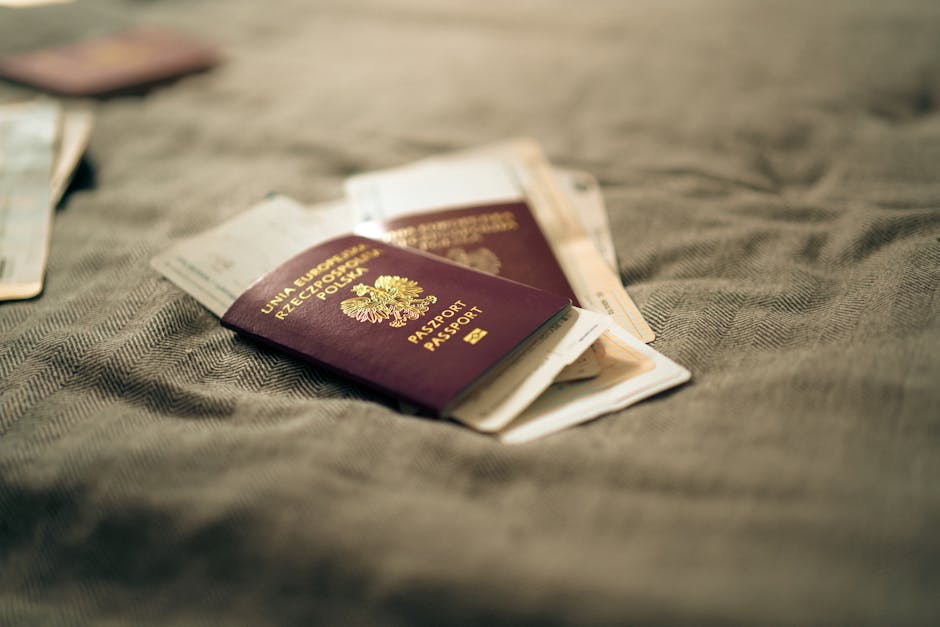 Photo by Jakub Zerdzicki on Pexels
If you successfully trace your lineage to a Canadian citizen parent, you do not need to apply for citizenship itself. Instead, you apply for a citizenship certificate, which serves as official proof of your status and supports passport applications. This process does not require language tests, residency periods, or oaths, making it a straightforward path for those who qualify.
Understanding the Broader Implications
For individuals with Polish ancestry, this citizenship opportunity is a chance to reconnect with a heritage that may have been overlooked. It also emphasizes the enduring impact of historical migrations on contemporary identity. With the possibility of passing citizenship to siblings and cousins, the implications extend beyond individual claims to encompass entire family networks.
Conclusion: Embracing a Rediscovered Heritage
In conclusion, the intersection of Polish immigration history and Canadian legal developments presents a unique opportunity for individuals to claim their rightful citizenship. By understanding the historical context and navigating the legal framework, many descendants of Polish immigrants can rediscover a connection to Canada that was previously inaccessible.
Beyond the legal and procedural aspects, this journey is also about embracing a part of one's heritage. It serves as a reminder of the resilience and adaptability of Polish immigrants who helped shape Canada's multicultural landscape. As awareness of this pathway to citizenship grows, more individuals may find themselves exploring their roots and embracing the richness of their dual heritage.
For those interested in pursuing this path, resources such as Canada's citizenship by descent eligibility checker can provide valuable guidance. By taking the first step to uncover your family's past, you may unlock a future with Canadian citizenship, offering new opportunities and a deeper connection to a shared history.
 Photo by Phil Desforges on Pexels
To explore your eligibility or begin the application process, consider reaching out to immigration consultants who specialize in citizenship by descent. Their expertise can assist in navigating the complexities of documentation and ensure a smoother journey towards claiming your Canadian citizenship.