Canada's new citizenship laws have opened doors for many individuals born outside the country to claim their Canadian heritage. This opportunity arises from changes that have removed the first-generation limit, enabling more people to apply for citizenship by descent. However, the process can be daunting, especially when it comes to gathering the necessary documentation to prove the lineage. This article delves into the requirements, common challenges, and solutions for those pursuing Canadian citizenship by descent.
Understanding Canadian Citizenship by Descent
Canadian citizenship by descent is a pathway available to individuals born outside Canada who have a Canadian parent or grandparent. This legal provision allows these individuals to claim their Canadian citizenship, provided they can substantiate their familial connection to a Canadian ancestor. The recent changes in the law, effective December 15, 2025, have broadened the eligibility criteria, making it accessible to more people globally.
To successfully apply for citizenship by descent, applicants must prove three critical aspects: their identity, their descent from a Canadian ancestor, and the ancestor's Canadian citizenship status. This process involves a meticulous collection of documents, which can pose significant challenges, especially if records are incomplete or difficult to obtain.
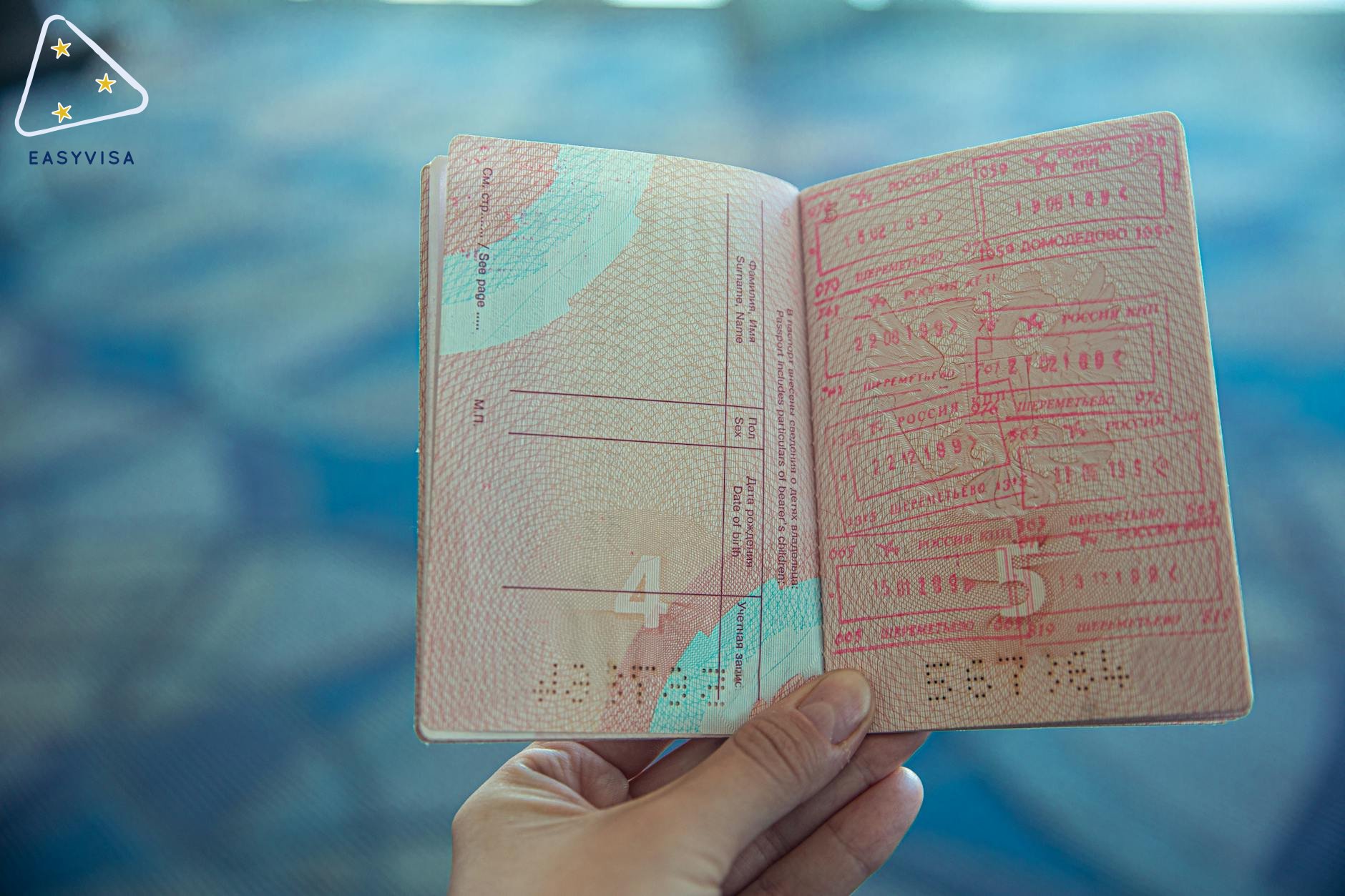
 Photo by Porapak Apichodilok on Pexels
Key Requirements for Application
Applicants are required to submit various documents that collectively establish their eligibility for citizenship by descent. These documents are categorized into three main themes: proof of identity, proof of descent, and proof of the ancestor's Canadian citizenship. While some documents are straightforward, such as birth certificates, others may necessitate extensive searches through historical records or archives.
A critical component of this process is demonstrating the Canadian citizenship of the ancestor. This can be done through various records, including provincial or territorial birth certificates, citizenship certificates, or naturalization documents. In some cases, ancestral connections can be substantiated through indirect evidence, such as a parent's birth certificate that names a Canadian grandparent.
Overcoming Documentation Challenges
One of the most significant hurdles applicants face is the lack of complete documentation. In many instances, historical records may be missing, incomplete, or difficult to access. Fortunately, the Immigration, Refugees and Citizenship Canada (IRCC) provides flexibility by accepting alternative forms of evidence to fill these gaps.
Applicants are encouraged to conduct thorough searches for relevant records, exploring provincial archives, libraries, and government offices. In cases where searches yield no results, obtaining a "no record" letter from the respective authority can be a valuable addition to the application. This letter serves as proof that a diligent search was conducted, and the absence of a record is not due to applicant negligence.
 Photo by Erik Mclean on Pexels
Strategies for Successful Application
Applicants should approach the citizenship by descent process with a strategic mindset. When certain details are unknown, IRCC advises applicants to indicate "unknown" on forms and provide explanations where necessary. Clear communication of any uncertainties is preferable to fabricating information, which can jeopardize the application.
Legal experts specializing in citizenship applications can provide invaluable guidance, helping applicants navigate complex scenarios and identify potential solutions to documentation challenges. Consulting with professionals can also help applicants understand the nuances of the application process and the specific requirements for their unique circumstances.
Conclusion
Achieving Canadian citizenship by descent is a significant milestone for many individuals seeking to connect with their Canadian roots. While the process involves navigating complex documentation requirements, understanding the available resources and strategies can significantly simplify the journey. The recent legislative changes have made this pathway more inclusive, offering a broader scope for individuals to claim their citizenship rights.
Applicants should approach this process with diligence, ensuring they gather all necessary documents and seek assistance when needed. By understanding the requirements and leveraging available support, individuals can successfully navigate the challenges of obtaining Canadian citizenship by descent and embrace their connection to Canada.
 Photo by Belén Montero I presetspix.etsy.com on Pexels
In conclusion, the pathway to Canadian citizenship by descent is filled with opportunities and challenges. With the right approach and resources, applicants can overcome obstacles and achieve their goal of becoming Canadian citizens. As the citizenship landscape continues to evolve, it remains crucial for potential applicants to stay informed and prepared to adapt to any changes in the process.