Tracing one's lineage to claim Canadian citizenship by descent can be an intricate journey. For many, the path is fraught with obstacles such as missing records or incomplete documentation. However, there are ways to overcome these challenges by employing strategic methods of evidence gathering. This article delves into how individuals can use alternative records and corroborating evidence to support their claims of Canadian ancestry, while adhering to the requirements set by Immigration, Refugees and Citizenship Canada (IRCC).
Understanding the Challenges of Missing Records
In many cases, applicants seeking Canadian citizenship by descent encounter the roadblock of missing birth certificates or other vital records. These are often due to records being lost over time or the ancestor being born before civil registration became routine. When direct evidence is unavailable, indirect sources can provide the necessary links. For instance, records of siblings, children, or spouses can offer valuable information that connects the dots back to the Canadian ancestor.
Consider a scenario where your ancestor's daughter emigrated and subsequently applied for naturalization in another country. Her application might detail her birthplace and her parents' origins, thereby naming your ancestor and confirming their Canadian roots. Documents such as border-crossing manifests, census records, or church registers can similarly serve as pivotal pieces of evidence.
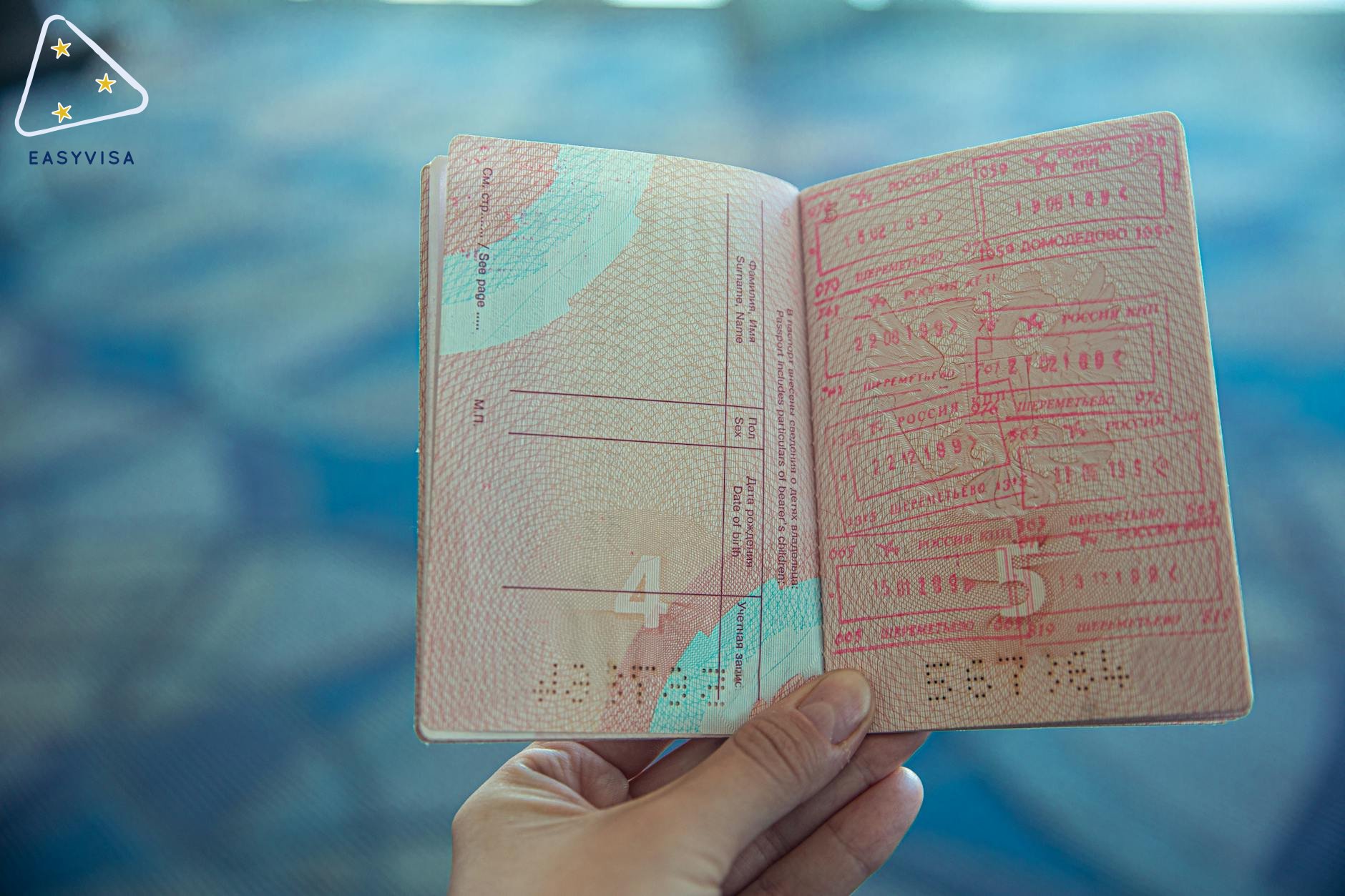
 Photo by Marta Branco on Pexels
Leveraging Corroborative Evidence
While the IRCC requires original-authority documents to establish lineage, corroborative evidence can significantly bolster an application. It is crucial to understand the balance of probabilities standard employed by IRCC officers, who must be convinced that the claims are more likely true than not. A well-documented case, supported by multiple pieces of corroborating evidence, can tip the scales in favor of the applicant.
For example, a sworn statement from a relative, aligning with other facts in the application, can enhance its credibility. However, it is critical to remember that these third-party records cannot replace the required original documents. They serve as supplementary evidence, providing context and reducing the risk of application rejection.
 Photo by WeStarMoney Rec on Pexels
Stacking Evidence for a Stronger Case
Applicants should aim to collect multiple sources of evidence that collectively paint a consistent picture of their Canadian lineage. If a birth certificate is unattainable, look for other official documents that affirm the ancestor's Canadian birthplace. A death certificate or a next-of-kin's birth certificate may corroborate the same information, strengthening the claim.
The strategy lies in presenting several government-issued documents that together confirm the lineage claim. Pairing these with a detailed explanation of efforts to obtain the original record can fulfill IRCC's criteria for a comprehensive application.
Documenting the Search Efforts
Recent changes to IRCC's requirements emphasize the importance of documenting the search process for missing records. Applicants must now demonstrate their attempts to obtain these records, which includes keeping a detailed paper trail of correspondence with the vital statistics offices or archives. A no-record letter from a records office can serve as proof of these efforts, adding credibility to the application.
By combining this formal evidence with corroborating documents, applicants can provide a thorough account of their efforts, offering IRCC a clearer perspective of the lineage claim. This approach reduces the likelihood of unexplained gaps in the application, ultimately enhancing its strength and viability.
 Photo by Phil Desforges on Pexels
Conclusion: Building a Compelling Case
In conclusion, while the process of claiming Canadian citizenship by descent can be complex, strategic use of alternative records and corroborating evidence can make a significant difference. Applicants must focus on collecting a diverse array of documents that collectively affirm their ancestry while maintaining a detailed account of their search efforts.
This comprehensive approach not only aligns with IRCC's requirements but also increases the chances of a successful application. By understanding the challenges, leveraging corroborative evidence, and documenting search efforts, individuals can navigate the path to Canadian citizenship with greater confidence.