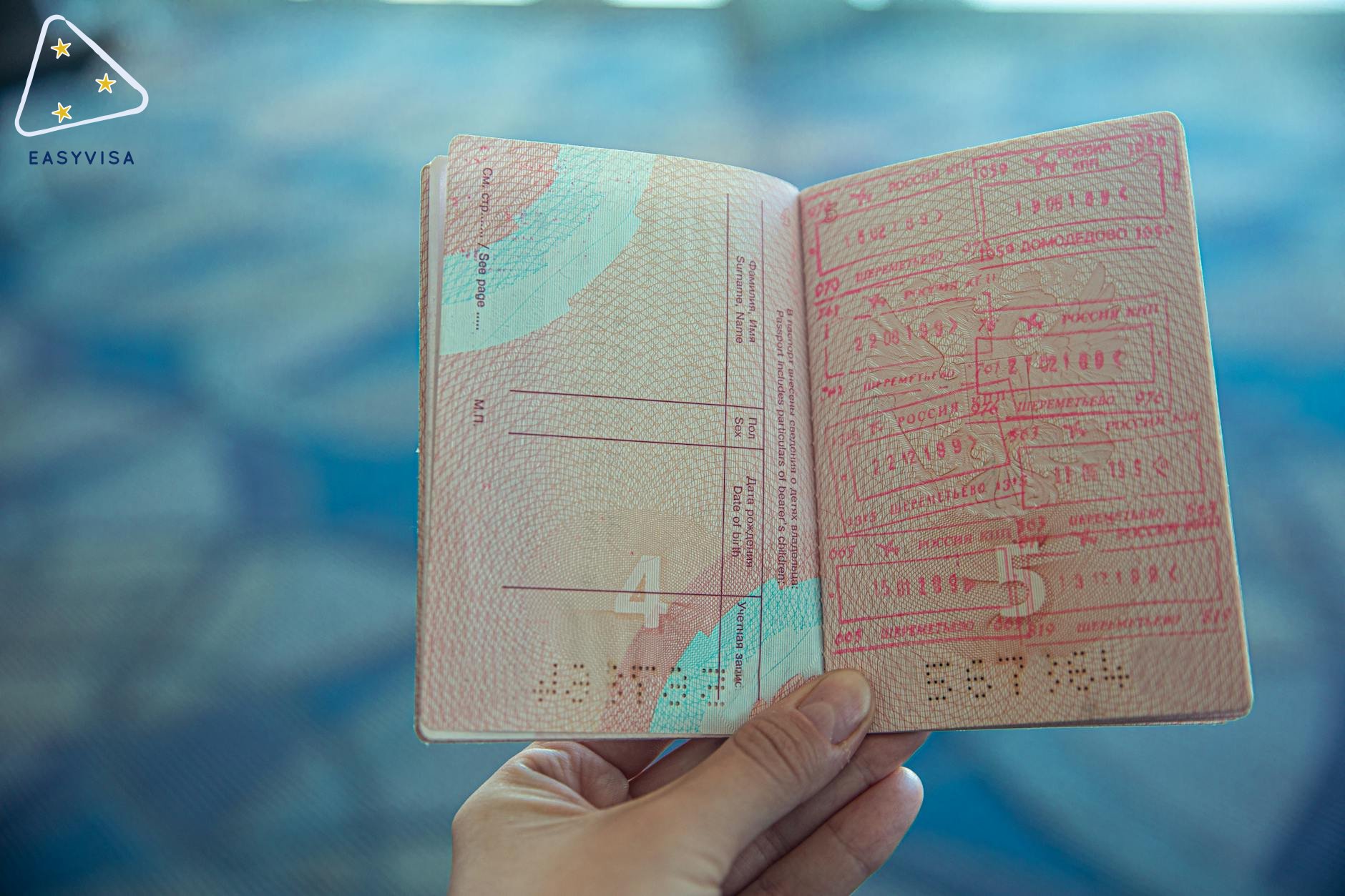
Canadian citizenship by descent offers individuals with Canadian ancestry a unique opportunity to claim citizenship without the traditional immigration processes. This pathway is particularly relevant for those whose grandparents or great-grandparents were born in Canada. Understanding the eligibility criteria, required documentation, and application process is crucial for successfully navigating this option.
Eligibility Criteria for Citizenship by Descent
To qualify for Canadian citizenship by descent, the primary requirement is having a direct line of ancestry from a Canadian citizen. This typically involves having a grandparent or great-grandparent who was a Canadian citizen. The recent amendments to the Citizenship Act have expanded this eligibility to include more individuals by removing the first-generation limit, which previously restricted citizenship claims to those born abroad to Canadian-born parents.
Key factors that determine eligibility include:
- Proof of Canadian citizenship of the ancestor.
- Unbroken lineage documentation connecting the applicant to the Canadian ancestor.
- Specific conditions for children born after December 15, 2025, requiring a substantial connection to Canada.
Applicants must provide comprehensive documentation proving their connection to the Canadian ancestor. This includes birth certificates, marriage certificates, and other official records that establish the unbroken line of descent.

Documenting Your Ancestry
Documenting ancestry is a critical step in the citizenship by descent process. Applicants need to gather a range of official documents that substantiate their claim. This often involves obtaining long-form birth certificates, marriage records, and other vital documents across multiple generations.
Challenges in documentation may arise due to:
- Missing or inconsistent records.
- Anglicized names or changes in surnames over generations.
- Documents issued before certain dates that are not accepted.
In cases where records are missing or discrepancies exist, legal assistance might be necessary to resolve these issues and strengthen the application.
Application Process for Proof of Citizenship
The application process for proof of citizenship involves submitting a comprehensive package of documents to Immigration, Refugees and Citizenship Canada (IRCC). This package must clearly establish the applicant's connection to their Canadian ancestor through an unbroken series of official records.
The application process includes:
- Gathering necessary documents such as birth certificates and proof of the ancestor's citizenship.
- Filling out the appropriate application forms with accurate information.
- Submitting the application to IRCC and awaiting processing, which can take up to 12 months.
Starting the documentation process early and ensuring all records are complete and accurate can significantly expedite the application process.

Unique Cases and Legal Considerations
While many individuals successfully handle their applications independently, complex cases involving multiple generations or missing records may require legal expertise. Legal professionals can assist in assembling a well-argued application package, addressing gaps in documentation, and navigating the nuances of the Citizenship Act.
Unique cases may include:
- Claims through adoption, which have specific requirements.
- Applications involving ancestors who never claimed citizenship.
- Situations where the applicant's lineage spans multiple jurisdictions or languages.
Legal guidance can be invaluable in these situations, ensuring a thorough and compliant application that minimizes delays or rejections.
Ultimately, understanding the requirements and preparing a robust application is key to successfully obtaining proof of Canadian citizenship by descent.

Conclusion: Start Your Journey to Canadian Citizenship
Canadian citizenship by descent opens doors for individuals with Canadian ancestry to become Canadian citizens without going through traditional immigration processes. The key to success in this pathway lies in understanding the eligibility criteria, gathering the necessary documentation, and navigating the application process effectively.
As of recent changes, many individuals who previously thought they were ineligible may now find that they qualify for citizenship. This opportunity is not only available for themselves but can also extend to their children, ensuring that the connection to Canada is preserved for future generations.
Prospective applicants should start by assessing their family history and gathering documentation that proves their lineage. Early preparation and attention to detail in the application process can lead to a successful outcome.
For those facing complex cases or requiring assistance, consulting with legal experts can provide clarity and confidence in navigating the legal intricacies involved. With the right approach, Canadian citizenship by descent can become a reality for many who have long held a connection to Canada through their ancestry.