As Canada continues to expand its trade and strategic partnerships in the Indo-Pacific region, significant changes are underway in its immigration policies. The Honourable Lena Metlege Diab, Minister of Immigration, Refugees and Citizenship, recently announced updates to visa requirements for citizens of Indonesia and Malaysia. These changes are set to take effect on May 26, 2026, at 5:30 a.m. Eastern Time, reflecting Canada's commitment to facilitating smoother entry for these nations.
New Visa Policies for Indonesia and Malaysia
The decision to update visa requirements is part of Canada's broader strategy to deepen its economic and diplomatic ties with key countries in the Indo-Pacific. By easing visa processes, Canada aims to foster greater mobility for business professionals, tourists, and students, thereby enhancing bilateral relations.
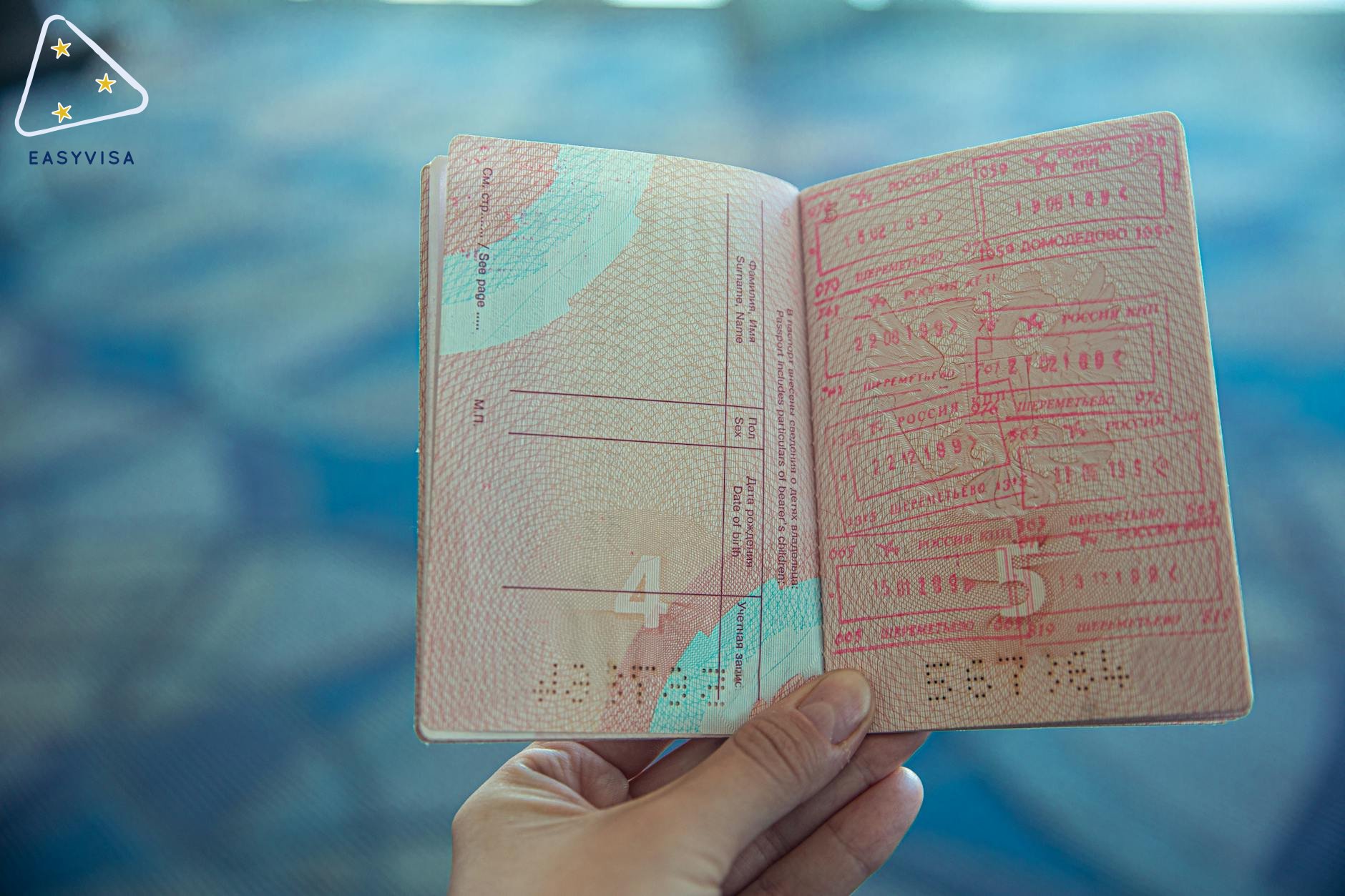
 Photo by Bogdan Krupin on Pexels
For Indonesian and Malaysian citizens, the new visa policies will streamline application procedures, potentially reducing processing times and documentation requirements. This move is expected to lead to increased travel and exchange opportunities between the countries, benefiting both Canadian and Southeast Asian economies.
Impact on Trade and Investment
The updated visa requirements are anticipated to have a positive impact on trade and investment between Canada and the two Southeast Asian nations. As barriers to entry are lowered, businesses can more easily explore opportunities in Canada, leading to an uptick in joint ventures and economic collaborations. This aligns with Canada's Indo-Pacific Strategy that emphasizes building strong, sustainable partnerships in the region.
 Photo by Pavel Danilyuk on Pexels
Benefits for Students and Tourists
In addition to economic benefits, the revised visa policies will also enhance educational and cultural exchanges. Malaysian and Indonesian students will find it easier to study in Canada, a country renowned for its high-quality education system. Similarly, tourists from these nations will have more opportunities to explore Canada's diverse landscapes and cultural heritage.
The educational sector in Canada stands to gain significantly, as the influx of international students enriches the academic environment and contributes to the local economy. Likewise, the tourism industry is expected to benefit from an increase in visitors, who will contribute to Canada's vibrant cultural tapestry.
Implementation and Future Prospects
The implementation of these visa changes marks a significant milestone in Canada's immigration policy. By fostering closer ties with Indonesia and Malaysia, Canada is positioning itself as a key player in the Indo-Pacific region. These changes are not only a testament to Canada’s inclusive approach but also a strategic move to harness the potential of burgeoning markets in Southeast Asia.
 Photo by Borys Zaitsev on Pexels
Looking ahead, Canada may consider similar updates for other countries in the Indo-Pacific, further solidifying its role as a global leader in immigration and international collaboration.
Conclusion: A Step Towards Stronger Bilateral Relations
In conclusion, Canada's revised visa requirements for Indonesia and Malaysia are a significant step towards strengthening bilateral relations. By facilitating easier access for citizens of these countries, Canada is opening doors to new opportunities in trade, education, and tourism. This policy change reflects Canada's broader strategy of engaging with the Indo-Pacific region and underscores its commitment to building sustainable partnerships.
The impact of these changes will likely resonate beyond the immediate economic benefits, fostering a deeper understanding and cultural exchange between Canada and the Southeast Asian nations. As these new policies take effect, the potential for enhanced cooperation and mutual growth becomes increasingly promising, heralding a new era of collaboration in the Indo-Pacific.