Canada, a land of opportunities, continues to be an attractive destination for individuals seeking to work, study, or visit. In recent months, the processing times for temporary residence applications have seen notable fluctuations, impacting applicants from various countries. This article delves into the latest trends in processing times, offering insights into what applicants can expect when navigating Canada's immigration landscape.
Immigration, Refugees and Citizenship Canada (IRCC) regularly updates processing times to provide guidance on how long it may take to finalize applications for work permits, study permits, visitor visas, and super visas. These estimates are based on both historical data and the department's current processing capacity. Understanding these timelines is crucial for applicants planning their journey to Canada.
Current Trends in Work Permit Processing Times
Work permits are essential for individuals aiming to contribute to Canada's dynamic labor market. Recent data indicates a significant decrease in processing times for applicants from Nigeria, with a reduction of over one month. This positive trend is a relief for Nigerian applicants who have historically faced longer waits.
Conversely, applicants from Pakistan experienced an increase in processing times, highlighting the dynamic nature of these estimates. Within Canada, work permit processing times continue to decline, reaching their lowest levels this year, which is encouraging for those already residing in the country and seeking work opportunities.
Factors Influencing Processing Times
Several factors can impact processing times, including application complexity, the need for additional documentation, and operational constraints. IRCC strives to process 80% of applications within established service standards, but actual timelines may vary.
 Photo by Alizain Hirani on Pexels
Understanding these nuances is vital for applicants to manage expectations effectively and plan their next steps accordingly.
Study Permit Processing Times Remain Steady
For international students eager to experience Canada's world-class education system, study permit processing times have remained consistent across all featured countries. This stability over the past few weeks provides a sense of predictability for students planning their academic journey.
Countries like India, Nigeria, and the United States maintain similar processing times, ensuring that students can adequately prepare for their studies without unexpected delays. IRCC continues to prioritize efficient processing to support Canada's reputation as a top destination for international education.
Service Standards for Study Permits
IRCC's service standards aim to process study permit applications within 60 days for submissions outside Canada. Adhering to these standards helps maintain transparency and fosters trust among prospective students and educational institutions.
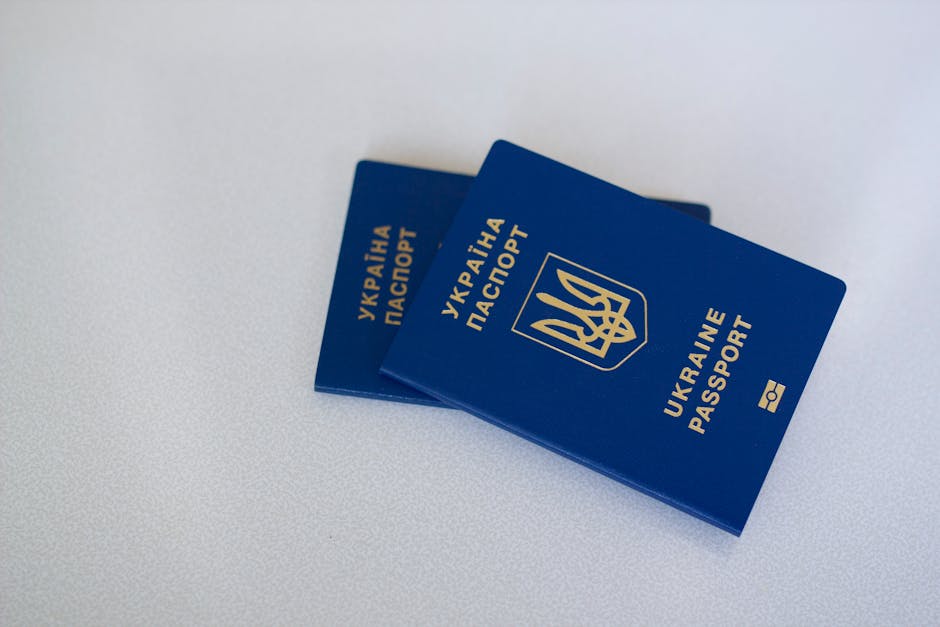 Photo by Borys Zaitsev on Pexels
Fluctuations in Visitor Visa Processing Times
Visitor visas allow individuals to explore Canada's beautiful landscapes and vibrant cities. Recent updates reveal minor changes in processing times, with Canada and the United States experiencing a slight decrease, while applicants from Nigeria and Pakistan face increased wait times.
These fluctuations emphasize the importance of early planning and preparation for individuals looking to visit Canada for tourism, family visits, or business purposes. Staying informed about processing trends can help applicants adjust their travel plans as needed.
Importance of Accurate Application Submission
Ensuring that applications are complete and accurate is essential to avoid unnecessary delays. IRCC's emphasis on clear documentation underscores the need for applicants to meticulously prepare their submissions.
 Photo by K on Pexels
Impacts on Super Visa Processing Times
The super visa program enables parents and grandparents to reunite with their families in Canada for extended stays. While most countries experienced stable processing times, the Philippines saw a notable increase, highlighting the ever-changing nature of these estimates.
Applicants from India benefited from a slight decrease in processing times, offering hope for quicker family reunifications. Understanding these shifts allows families to better plan and manage expectations for their loved ones' arrival in Canada.
Service Standards for Super Visas
Although super visa processing times differ based on country-specific factors, IRCC aims to process these applications within 112 days. This commitment to efficiency supports family reunification efforts across Canada.
Conclusion: Navigating Canada's Temporary Residence Landscape
In conclusion, Canada's temporary residence processing times are subject to continuous change, influenced by a variety of factors. Applicants must stay informed and adaptable as they plan their journeys to Canada. Understanding the nuances of processing times, service standards, and the factors affecting them can empower individuals to make informed decisions.
For those seeking work permits, recent trends offer promising opportunities, particularly for applicants from Nigeria. International students can rely on stable processing times, while visitor visa applicants should remain vigilant about potential delays. Families aiming for super visas must keep abreast of shifting trends to ensure timely reunifications.
As IRCC updates processing times regularly, applicants are encouraged to consult official sources for the most accurate information. By staying well-informed and prepared, individuals can navigate the complexities of Canada's immigration system with confidence, ensuring a smooth path to achieving their Canadian dreams.