Canada's immigration system is renowned for its complexity and adaptability, offering a myriad of pathways for individuals seeking temporary or permanent residence. As the world evolves, so too do the demands and expectations placed upon immigration systems worldwide. This article delves into the most recent updates to Canada's temporary residence processing times, spanning work permits, study permits, visitor visas, and super visas. The changes, although modest, reflect the dynamic nature of immigration policies and the continuous effort to streamline processes and respond to global demands. Understanding these updates is crucial for prospective applicants aiming to navigate the Canadian immigration landscape effectively.
Recent Changes in Work Permit Processing Times
Work permits are essential for those wishing to work in Canada on a temporary basis. Recently, there have been notable changes in the processing times for these permits. As of May 26, 2023, applications from Nigeria have experienced a significant increase in wait times, jumping from 12 weeks to 16 weeks. Conversely, applications submitted from within Canada have seen a slight reduction, with processing times decreasing from 206 days to 201 days. These changes highlight the variability in processing times based on geographical location, which can be influenced by factors such as application volumes and operational capacity.
For applicants from India, the processing time has increased by one week, now standing at 10 weeks. Other countries, including Pakistan and the United States, have not experienced any changes in their processing timelines, maintaining a steady duration of six and five weeks, respectively. The service standard for in-Canada submissions remains at 120 days, while the standard for outside Canada submissions is set at 60 days, indicating the IRCC's commitment to processing a majority of applications within these timeframes under normal conditions.
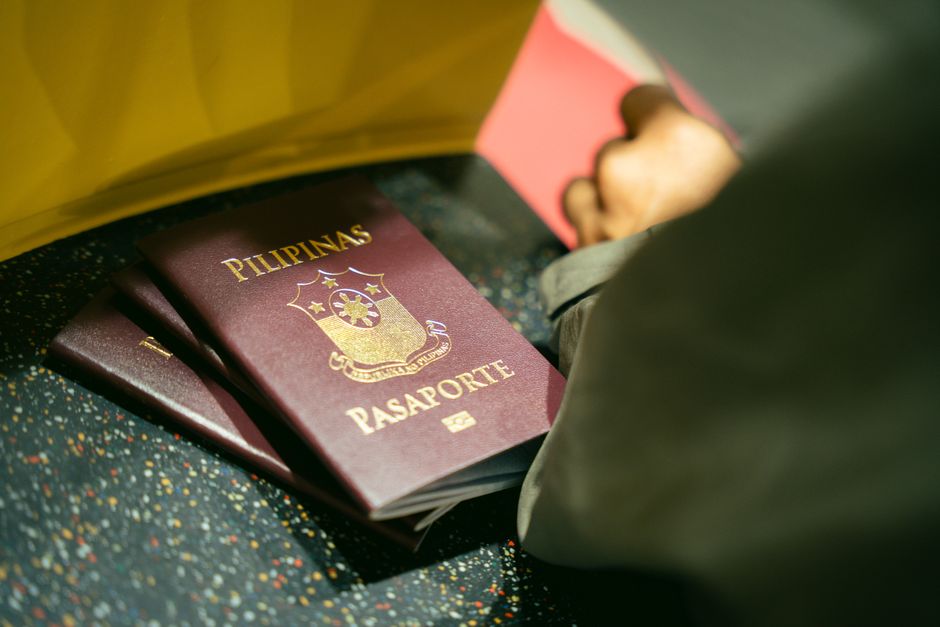 Photo by Kenneth Surillo on Pexels
Updates to Study Permit Processing Times
Study permits are another critical component of Canada's immigration framework, allowing international students to pursue educational opportunities in the country. The recent update on May 26, 2023, shows minimal changes in processing times for study permits, with the exception of applications from the Philippines, which have decreased by one week to four weeks. This slight improvement could be attributed to a reduction in application volumes or increased processing capacity.
For applicants from within Canada, India, Pakistan, Nigeria, and the United States, the processing times remain unchanged, highlighting the stability in the handling of study permit applications from these regions. The service standard for study permits, like work permits, is 120 days for in-Canada submissions and 60 days for those submitted from outside Canada. This consistency in service standards underscores the IRCC's goal to process a significant portion of applications within these targeted timeframes.
 Photo by DΛVΞ GΛRCIΛ on Pexels
Visitor Visa Processing Time Adjustments
Visitor visas are crucial for individuals wishing to explore Canada for tourism, business, or family visits. The recent updates have shown varying changes in processing times across different regions. In-Canada applications have experienced a notable increase, with processing times rising from 16 to 25 days. Similarly, applications from the United States have seen a slight increase from 25 to 26 days.
Pakistan is the only country that has seen a decrease in visitor visa processing times, now standing at 49 days compared to 50 days previously. Other countries, including India, Nigeria, and the Philippines, have not experienced significant changes, maintaining steady processing durations. It's important to note that the service standard for visitor visas, especially for outside Canada submissions, is set at 14 days, indicating the IRCC's ambition to process applications efficiently, although actual processing times may vary due to numerous factors.
Super Visa Processing Time Improvements
The super visa is a popular option for parents and grandparents of Canadian citizens and permanent residents, allowing them to stay in Canada for extended periods. The recent updates on May 26, 2023, have shown improvements in processing times for super visa applications from most countries, with the United States experiencing the most significant drop from 115 days to 106 days.
For applicants from India, Pakistan, and Nigeria, processing times have decreased marginally, while the Philippines has seen a slight increase from 32 to 33 days. These changes reflect efforts to optimize the super visa application process, ensuring that families can reunite more swiftly. The service standard for super visa applications remains at 112 days, providing a benchmark for applicants to manage their expectations regarding processing durations.
 Photo by Harrison Haines on Pexels
Factors Affecting Processing Times
Processing times for temporary residence applications in Canada are influenced by a range of factors. The IRCC's estimates are based on both historical data and forward-looking projections, which consider current application inventories and processing capacities. These estimates provide applicants with a general indication of how long their applications might take to process, although they are not guarantees.
Several variables can impact processing times, including the complexity of the application, the completeness of the submitted documents, and whether additional information is requested by the IRCC. Seasonal patterns, operational pressures, and staffing capacities also play significant roles in determining how quickly applications are processed. Applicants should be aware that while service standards aim to process 80% of applications within specified timeframes, actual processing durations can vary significantly.
Moreover, the IRCC regularly updates processing times to reflect current realities, ensuring transparency and providing applicants with the most accurate information possible. This dynamic nature of processing times underscores the importance of staying informed and prepared throughout the application process.
Conclusion: Navigating Canada's Immigration Landscape
In conclusion, understanding the nuances of Canada's temporary residence processing times is essential for prospective immigrants aiming to navigate the country's complex immigration landscape. The recent updates, while modest, highlight the ongoing efforts to streamline processes and respond to global demands. For applicants, being aware of these changes and the factors influencing processing times can significantly impact their immigration journey.
Canada's commitment to maintaining transparency and providing up-to-date information on processing times reflects its dedication to facilitating efficient and effective immigration processes. By staying informed and prepared, applicants can better manage their expectations and make informed decisions regarding their immigration plans. Whether pursuing work opportunities, educational endeavors, or family reunification, understanding the intricacies of processing times is crucial for a successful immigration experience.
 Photo by K on Pexels