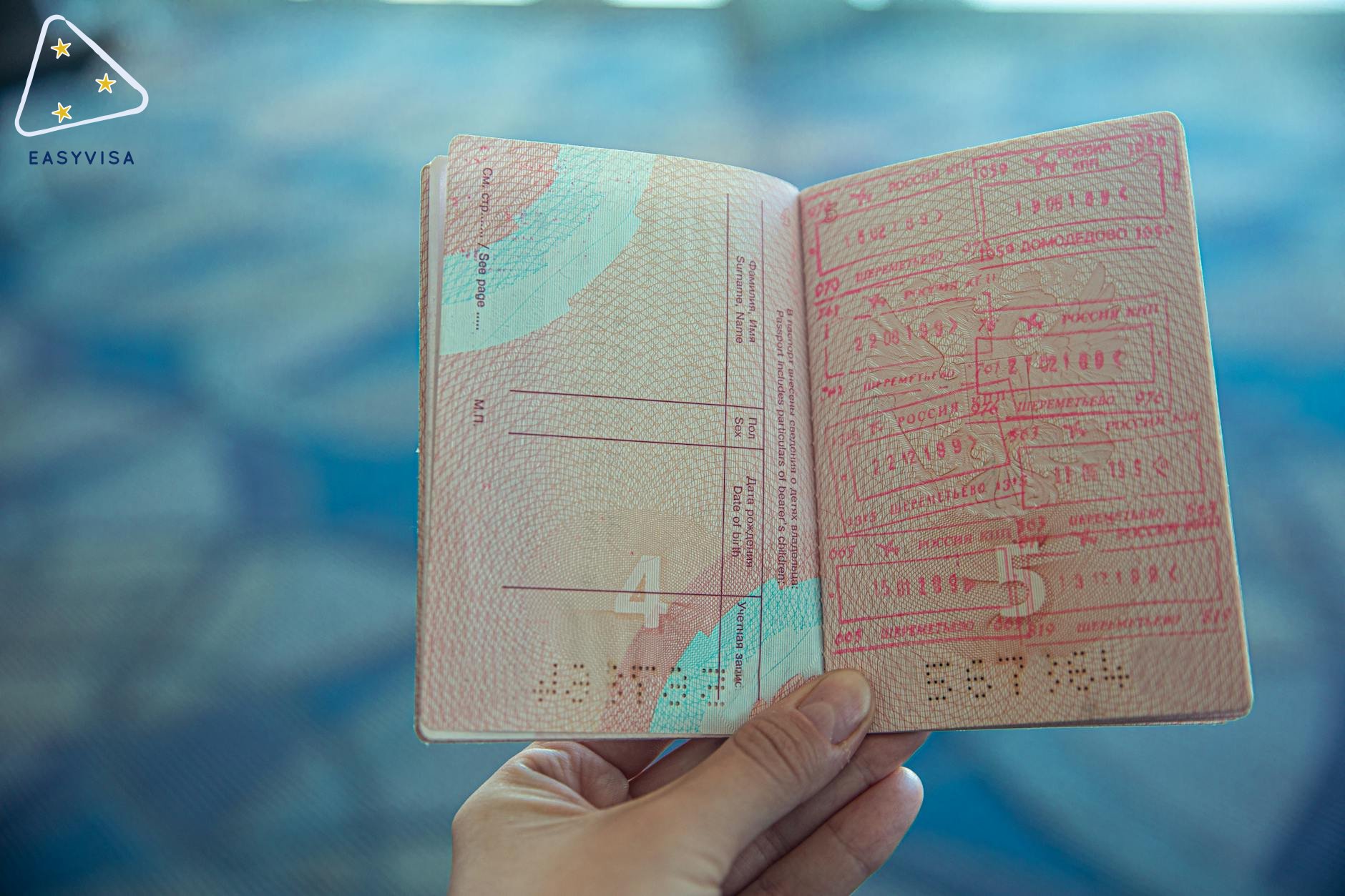
As of July 15, 2026, the Canadian government has announced a pause on its Parents and Grandparents Program (PGP), halting the intake of new applications. This decision comes as a part of the government's strategy to manage the overwhelming demand for family reunification through this pathway. The current focus is on processing the existing backlog of applications, aiming to approve 15,000 applications for permanent residence by the end of 2026. This move has significant implications for Canadian citizens and permanent residents who wish to sponsor their parents or grandparents for permanent residency in Canada.
The PGP has been a popular avenue for family reunification, allowing Canadian citizens and permanent residents to bring their parents and grandparents to Canada as permanent residents. However, due to high demand and limited annual quotas, the program has often operated on a lottery system. The last time new applications were accepted was during a three-week intake period in 2020, which saw over 203,000 submissions. Since then, invitations to apply have been randomly issued to those who submitted interest to sponsor forms during the 2020 intake.
 Photo by Mark Stebnicki on Pexels
The current pause means that no new interest to sponsor forms will be accepted, nor will potential sponsors be invited to apply until further notice. This change affects many families who hoped to reunite with their loved ones in Canada through the PGP. The government has encouraged individuals who are unable to apply through the PGP to consider the Super Visa program as an alternative option. The Super Visa allows parents and grandparents to visit Canada for extended periods, offering a temporary solution for family reunification.
Understanding the Super Visa Program
The Super Visa program offers a viable alternative for families affected by the pause on the Parents and Grandparents Program. Introduced to facilitate long-term visits for parents and grandparents of Canadian citizens and permanent residents, the Super Visa allows holders to stay in Canada for up to five years per visit, with a validity of up to ten years. This program provides a unique opportunity for families to spend extended time together without the permanent residency status.
To qualify for a Super Visa, the applicant must have a letter of invitation from their Canadian host, who must meet specific financial criteria to support the visitor during their stay. Additionally, applicants are required to purchase Canadian medical insurance and demonstrate their intention to return to their home country after their authorized stay. The process ensures that visitors are covered medically and financially during their time in Canada.
While the Super Visa does not grant permanent residency, it serves as an excellent option for families awaiting the reopening of the PGP. It allows parents and grandparents to remain connected with their families in Canada, enjoying extended visits without the immediate need for permanent residency.
 Photo by Borys Zaitsev on Pexels
Current Processing Times and Application Backlog
The primary reason for the suspension of new PGP applications is to manage the existing backlog efficiently. As of the latest reports, the immigration department is dealing with an inventory of approximately 50,900 PGP applications. This includes 40,400 applications for families intending to settle outside Quebec and 10,500 for those planning to settle within Quebec.
The processing times vary significantly depending on the intended location of settlement. For applicants outside Quebec, the process is expected to take up to 18 months, whereas those settling in Quebec might face a processing time of up to 54 months. These times reflect the complexity and volume of applications the immigration department is currently handling.
The Canadian government has committed to processing 15,000 applications per year under the PGP, aligning with its immigration levels plan. However, the high demand and extensive backlog have necessitated the pause in new applications to ensure that the existing submissions are processed in a timely and efficient manner.
 Photo by Kindel Media on Pexels
Implications for Future Family Reunification
The pause in the Parents and Grandparents Program highlights the challenges faced by the Canadian immigration system in managing family reunification demands. While the government has taken steps to address the backlog, the pause has left many potential sponsors uncertain about the future. The current situation underscores the need for alternative pathways like the Super Visa, which provide temporary solutions while the PGP is on hold.
For families affected by this pause, the focus should be on exploring available options and staying informed about future developments in Canadian immigration policies. Engaging with immigration consultants or legal experts can provide valuable insights into navigating the current landscape and preparing for future opportunities.
As Canada continues to refine its immigration strategies, potential sponsors are encouraged to monitor announcements from the immigration department and plan accordingly. The government's commitment to family reunification remains strong, and future adjustments to the PGP are anticipated to better serve the needs of Canadian families.
Conclusion: Navigating Changes in Canadian Immigration
The recent developments in the Parents and Grandparents Program reflect the ongoing evolution of Canadian immigration policies. The pause on new PGP applications, while challenging for many families, is a strategic move to address the current backlog and improve processing efficiencies. This temporary measure aims to ensure that the immigration system operates smoothly and meets the demands of applicants in a timely manner.
For families affected by the pause, the Super Visa program offers a practical alternative, allowing for extended family visits without granting permanent residency. This option provides an opportunity for families to remain connected while waiting for the PGP to reopen.
As the Canadian government navigates these challenges, it is crucial for potential sponsors and applicants to stay informed and proactive. Understanding the available options and planning accordingly will help families make informed decisions in the face of changing immigration landscapes. Despite the current pause, the commitment to family reunification remains a priority for Canada, and future opportunities are expected to arise as the immigration system adapts to meet the needs of Canadian families.
 Photo by Alizain Hirani on Pexels