Navigating Canada's Immigration Landscape: Key Updates and I

Explore the latest updates in Canada's immigration policies, from visa processing times to new opportunities for permanent residency.
Canada immigration Permanent Residency visa processing

Immigration to Canada is a dynamic and evolving process, with frequent updates that can significantly impact prospective immigrants. This article delves into the latest developments in Canadian immigration, offering insights into policy changes, processing times, and new opportunities for those seeking to make Canada their home.

Understanding Recent Changes in Canadian Immigration Policies

Canada’s immigration policies are renowned for their adaptability, reflecting the country's commitment to welcoming newcomers while addressing labor market needs. Recent changes have seen adjustments in processing times, visa requirements, and new pathways for permanent residency. These updates are crucial for aspiring immigrants and stakeholders to understand the evolving landscape.

Processing Times and Their Implications

The Immigration, Refugees and Citizenship Canada (IRCC) has reported fluctuations in processing times for various visa categories. Family sponsorship applications have seen a decrease in wait times, providing relief for many. Meanwhile, applications for study and work permits have experienced spikes, impacting international students and professionals planning to work in Canada.

New Pathways for Permanent Residency

Canada continues to enhance its permanent residency pathways to attract skilled workers. The Express Entry system, a popular route for skilled immigrants, has experienced inventory changes, affecting the number of invitations issued. Additionally, former candidates of Quebec’s PEQ program now find better opportunities outside Quebec, broadening their prospects for residency.

canada immigration office
Photo by David Kanigan on Pexels

Exploring Visa-Free Travel and Global Mobility

In a significant development, Canadians can now travel to China without a visa, marking a milestone in international relations and enhancing global mobility for Canadian citizens. This change is part of a new trade agreement aimed at strengthening ties between the two nations.

The Impact of Visa-Free Travel

This visa exemption not only simplifies travel logistics for Canadians but also fosters stronger economic and cultural exchanges. It reflects Canada's broader strategy to bolster its international presence and engage more deeply with global partners.

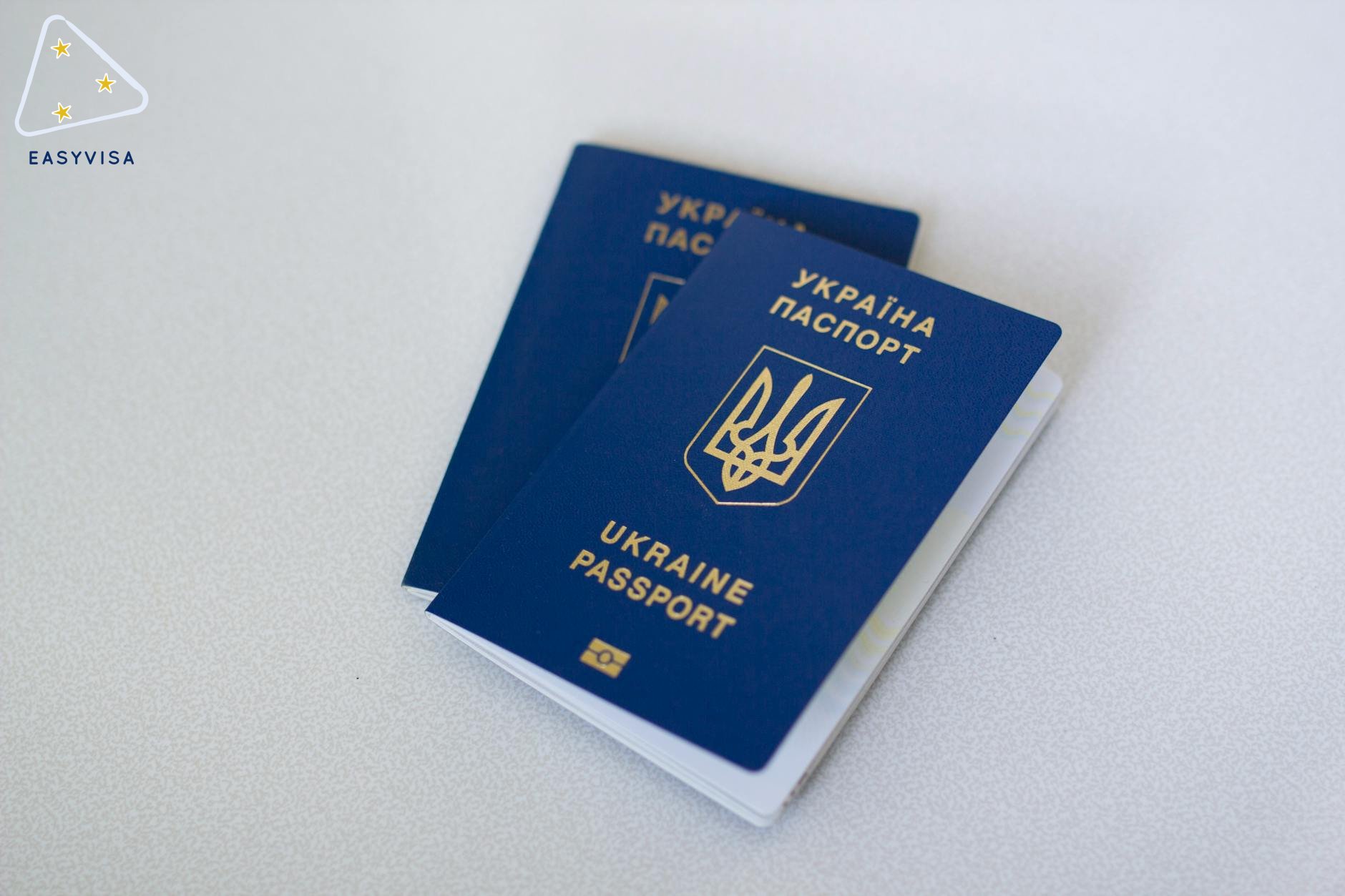
passport documents
Photo by Borys Zaitsev on Pexels

Evaluating Economic and Social Impacts of Immigration

Canada's immigration strategy is intricately linked to its economic and social fabric. Recent analyses highlight how immigration supports Canada's economic growth, addressing labor shortages and contributing to diverse community development.

Addressing Labor Market Needs

Immigration is crucial in filling labor gaps across various sectors in Canada. The federal government continues to refine its immigration policies to align with labor market demands, ensuring that the influx of immigrants supports the country's economic objectives.

Enhancing Community Diversity

The social impact of immigration is equally significant, fostering multicultural communities that enrich Canadian society. The integration of newcomers is facilitated through various support programs, enhancing their contribution to Canadian life.

airport terminal
Photo by Angelyn Sanjorjo on Pexels

Conclusion: Navigating the Future of Canadian Immigration

As Canada continues to evolve its immigration policies, staying informed about the latest updates is crucial for prospective immigrants and stakeholders. The recent changes highlight Canada’s commitment to welcoming newcomers while addressing domestic needs. From processing time adjustments to new pathways for residency, these developments offer both challenges and opportunities. Understanding these dynamics is essential for successfully navigating the Canadian immigration landscape.

Comments (2)

E
Emma Rodriguez
2026-02-20 12:02

Super useful, thanks for sharing!

T
Tom Anderson
2026-02-20 12:02

Super useful, thanks a ton!

Leave a Comment

Frequently Asked Questions

Recent updates in Canadian immigration policies reflect the government's commitment to adapting to labor market needs while continuing to welcome newcomers. Key changes include adjustments to processing times, visa requirements, and the introduction of new pathways for permanent residency. For instance, the Immigration, Refugees and Citizenship Canada (IRCC) has streamlined certain processes to reduce wait times, particularly for family sponsorship and skilled worker applications. Additionally, the government has introduced new programs targeting specific sectors facing labor shortages, making it easier for qualified individuals to gain residency. Staying informed about these updates is crucial for prospective immigrants as they can significantly affect application strategies and timelines.
To check the processing times for your visa application, you can visit the official website of Immigration, Refugees and Citizenship Canada (IRCC). They provide a comprehensive processing times tool, where you can select the type of application you submitted (e.g., family sponsorship, express entry, etc.) and see the average processing times based on current data. It’s important to note that processing times can vary based on factors such as application volume, completeness of the application, and specific circumstances related to individual cases. Regularly checking this tool will help you stay updated on your application status and manage your expectations accordingly.
Currently, Canada offers several pathways to permanent residency, catering to diverse applicant profiles. The Express Entry system is one of the most popular routes, designed for skilled workers and includes programs like the Federal Skilled Worker Program, Federal Skilled Trades Program, and Canadian Experience Class. Additionally, Provincial Nominee Programs (PNPs) allow provinces to nominate individuals for permanent residency based on local labor market needs. Family sponsorship is another major pathway, enabling Canadian citizens and permanent residents to sponsor their relatives. Lastly, Canada has introduced new initiatives to attract international students and temporary foreign workers, offering them a smoother transition to permanent residency. Understanding these pathways is essential for tailoring your immigration strategy.
The visa requirements for family sponsorship in Canada involve several key criteria that both sponsors and applicants must meet. The sponsor must be a Canadian citizen or permanent resident, at least 18 years old, and able to demonstrate financial stability to support their family member without social assistance. The sponsored individual often has to be a spouse, common-law partner, dependent child, or other eligible relatives. Applicants must also undergo medical exams and background checks to ensure they meet health and security standards. It's crucial to submit a complete application that includes all required documentation to avoid delays. By understanding these requirements, you can better prepare for the family sponsorship application process.
Staying updated on immigration changes in Canada is vital for prospective immigrants. The best way to do this is by regularly visiting the official website of Immigration, Refugees and Citizenship Canada (IRCC), which provides the latest news, policy changes, and updates on processing times. Subscribing to newsletters or following IRCC on social media platforms like Twitter and Facebook can also keep you informed. Additionally, joining immigration forums or engaging with community groups can provide insights and shared experiences from others in the process. For those seeking personalized advice, consulting with a licensed immigration consultant or lawyer can offer tailored guidance based on the latest developments.

Rate this article

Average rating: 4.5 (0 votes)

Related Articles
