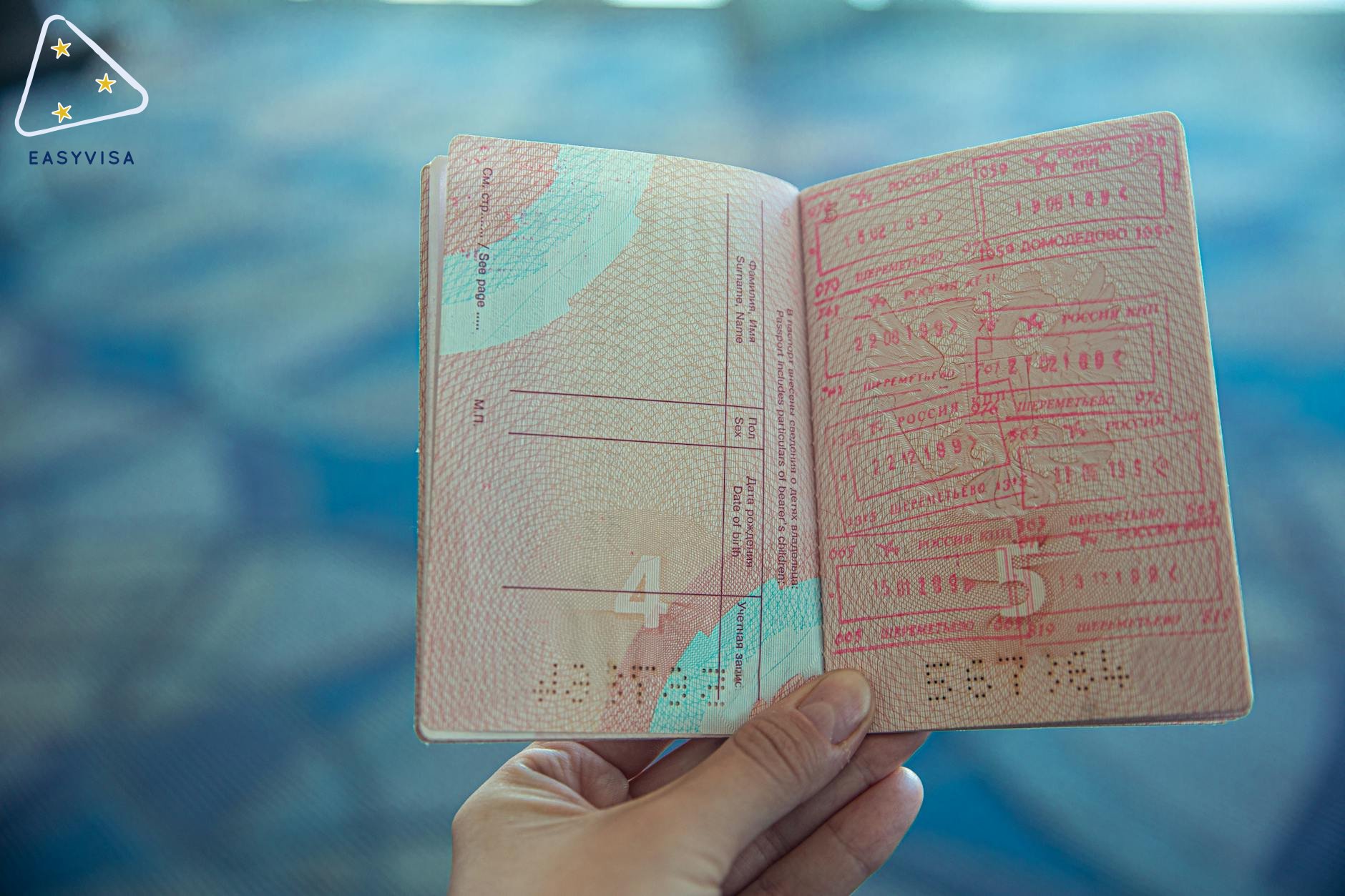
Canada's immigration system is renowned for its welcoming policies and efficient processing times. However, staying updated with the latest changes is crucial for prospective immigrants and those currently navigating the application process. Recent updates from Immigration, Refugees and Citizenship Canada (IRCC) reveal both improvements and new challenges in processing times across various programs.
Canada's immigration system offers numerous pathways for individuals seeking temporary or permanent residency. Understanding these pathways, along with their processing times, is essential for applicants to plan their immigration journey effectively. The IRCC's recent updates highlight significant changes, providing insights into the current landscape.
Current Trends in Processing Times
IRCC's latest data indicates a notable decrease in processing times for several immigration pathways. This is particularly beneficial for applicants under programs such as the Express Entry and the Provincial Nominee Program (PNP). The decline in processing times is a result of IRCC's ongoing efforts to streamline operations and clear backlogs.
The Express Entry system, known for its efficiency, has seen a significant reduction in application backlog, resulting in faster processing times. For instance, recent statistics show that the backlog has reached its lowest point, allowing more applicants to receive timely decisions on their immigration status.
 Photo by Anurag Jamwal on Pexels
Similarly, PNP applicants have experienced improvements. Provinces across Canada are working in tandem with federal authorities to expedite processing, offering applicants a quicker route to permanent residency. These enhancements align with Canada's broader immigration goals, which emphasize attracting skilled workers to support economic growth.
Impact on Temporary Residence Applicants
Temporary residence applicants are also benefiting from reduced wait times. The IRCC's latest update reveals a decrease in processing times for work permits and study permits. This is encouraging for international students and workers who contribute significantly to Canada's economy and cultural diversity.
 Photo by Borys Zaitsev on Pexels
However, certain challenges remain. While processing times have improved, applicants from specific regions still face longer wait periods due to various factors, including geopolitical issues and health-related restrictions. Understanding these nuances is crucial for applicants to set realistic expectations.
Understanding Regional Disparities
Despite overall improvements, regional disparities in processing times persist. Applicants from regions affected by geopolitical tensions or health crises may experience delays. For instance, recent updates have highlighted longer wait times for applicants from Ebola-affected regions, where additional health screenings are required to ensure safety.
In contrast, applicants from regions with established bilateral agreements, such as Indonesia and Malaysia, benefit from expedited processing. These agreements facilitate smoother transitions, allowing applicants to integrate into Canada's society more rapidly.
 Photo by Gu Ko on Pexels
It's important for applicants to remain informed about these regional differences. Staying updated with IRCC announcements and consulting with immigration specialists can help navigate these complexities effectively.
Conclusion: Preparing for Canada's Immigration Journey
As Canada continues to refine its immigration processes, applicants must stay proactive and informed. Understanding the latest trends and updates in processing times is crucial for successful immigration outcomes. With IRCC's commitment to enhancing efficiency, prospective immigrants have reason to be optimistic about their Canadian journey.
Engaging with immigration professionals and leveraging available resources can provide applicants with the guidance needed to navigate this evolving landscape. As Canada remains committed to welcoming new residents, understanding processing times and preparing accordingly will ensure a smoother transition into the country's vibrant communities.
In summary, while Canada's immigration system offers promising opportunities, staying informed about processing times and regional disparities is vital for applicants. With the right preparation and knowledge, individuals can successfully embark on their Canadian immigration journey.