
Canada has always been a popular destination for international students due to its world-class education system and multicultural society. Among the myriad of pathways available, the Francophone Minority Communities Student Pilot (FMCSP) stands out as a unique opportunity for French-speaking students who wish to settle outside Quebec. This program, recently extended until August 2027, simplifies the journey to permanent residency for qualifying students by offering a direct route devoid of the conventional job offer requirement.
The FMCSP was initially set to close in August 2026 or upon reaching its cap of 2,970 study permits. However, the federal government announced its extension as part of a broader strategy to increase the French-speaking permanent resident population outside Quebec to 12% by 2029. This initiative not only underscores Canada's commitment to linguistic diversity but also addresses the demand for French-speaking professionals in various sectors across the country.
Eligible students benefit from a more accessible language proficiency requirement, set at NCLC level 5, which is significantly lower than the NCLC level 7 required for the Express Entry French category draws. This adjustment makes the program more attainable for a larger pool of applicants.
What is the FMCSP?
The Francophone Minority Communities Student Pilot is a federal initiative designed to attract French-speaking international students to Canadian provinces outside Quebec. This program is part of Canada's broader efforts to promote French language and culture across the country, thereby enriching its multicultural fabric.
Students participating in the FMCSP are provided with a clear pathway to permanent residency upon graduation, bypassing the often cumbersome process of transitioning from a study permit to a post-graduation work permit, and eventually to the Canadian Experience Class. This streamlined approach not only saves time but also reduces the uncertainty associated with the traditional immigration routes.
Applicants must be citizens of eligible countries and demonstrate sufficient French language proficiency, among other criteria. They must also secure a letter of acceptance from a participating designated learning institution (DLI) for a full-time study program conducted primarily in French. This ensures that students are well-integrated into the French-speaking communities where they study.
 Photo by Erik Mclean on Pexels
Eligibility Criteria for the FMCSP
To qualify for the FMCSP, applicants must meet several requirements. Firstly, they must reside outside Canada at the time of application. Additionally, they need a letter of acceptance from a participating DLI, indicating their intent to apply through the FMCSP.
The program mandates that studies be conducted full-time, over a minimum duration of two years, and that more than half of the instruction be in French. Moreover, applicants must demonstrate sufficient funds to cover tuition and living expenses for themselves and any accompanying family members.
Importantly, the eligible countries list includes several Francophone nations, offering a wide range of students the opportunity to take advantage of this program. Furthermore, prospective students may be required to obtain a police certificate and complete a medical exam as part of the application process.
Steps to Apply for an FMCSP Study Permit
Applying for an FMCSP-specific study permit involves several key steps. Prospective students must first ensure they meet all eligibility criteria, including language proficiency and financial stability. Applications are typically submitted online through an IRCC Secure Account, where applicants must provide all required documentation and respond affirmatively to specific sections related to the FMCSP.
Successful applicants receive a port of entry (POE) letter of introduction, which must be presented to immigration officials upon arrival in Canada. Depending on their nationality, students will also be issued either an electronic Travel Authorization (eTA) or a visitor visa.
Upon arrival, and once an officer verifies their eligibility, students will receive their study permit, which remains valid until the end of their study program. This permit is crucial as it allows students to legally reside in Canada while they complete their education.
The application process is designed to be straightforward, providing clear guidelines to ensure applicants can navigate the system efficiently. However, it's crucial for applicants to stay informed about any changes to the program or its requirements to avoid any complications.
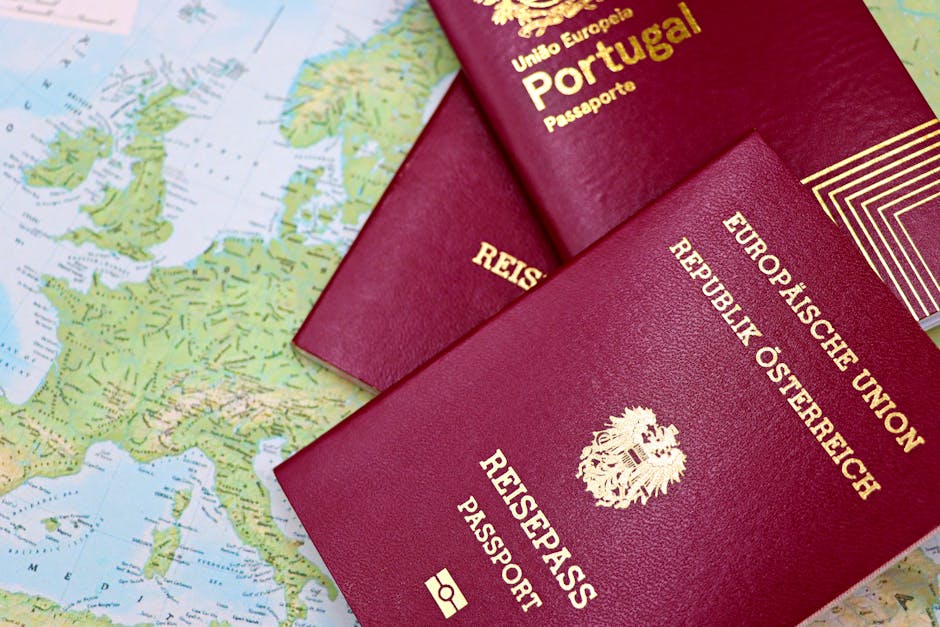 Photo by Marta Branco on Pexels
Participating Designated Learning Institutions and Locations
A range of designated learning institutions across various provinces participate in the FMCSP. These institutions offer diverse programs that cater to different academic interests while ensuring that students receive quality education in a French-speaking environment.
| Institution | Location | Province |
|---|---|---|
| Collège Boréal | Sudbury, Toronto, Windsor, Ottawa | Ontario |
| Collège Communautaire du Nouveau-Brunswick | Acadian Peninsula, Bathurst, Campbellton | New Brunswick |
| Université de Moncton | Moncton, Edmundston, Shippagan | New Brunswick |
These institutions are strategically located to provide students with ample opportunities to immerse themselves in their studies while experiencing life in diverse Canadian communities. The presence of these institutions across several provinces reflects the wide reach and inclusivity of the FMCSP.
Pathway to Permanent Residency
Upon successful completion of their studies, FMCSP participants are well-positioned to apply for permanent residency. This step is crucial as it marks the transition from temporary to permanent status, allowing graduates to fully integrate into Canadian society.
To be eligible for permanent residency through the FMCSP, applicants must have completed an eligible program and maintained valid temporary resident status. They must also reside outside Quebec at the time of application.
Applicants can submit their permanent residency application along with the required documentation. Additionally, those awaiting a decision on their PR application can apply for an FMCSP-specific work permit, enabling them to gain valuable work experience in Canada.
 Photo by Pavel Danilyuk on Pexels
Conclusion
The Francophone Minority Communities Student Pilot stands as a testament to Canada's dedication to promoting linguistic diversity and inclusivity. By providing French-speaking students with a streamlined pathway to permanent residency, the FMCSP not only enriches Canada's cultural landscape but also addresses labor market needs across various provinces.
For prospective students, the FMCSP offers a unique opportunity to pursue higher education in a vibrant and supportive environment. By meeting the program's eligibility criteria and completing their studies, students can look forward to a promising future in Canada.
As Canada continues to expand its immigration programs to attract diverse talent, the FMCSP remains a vital component of its comprehensive strategy to foster a multicultural and prosperous society. For students and stakeholders alike, staying informed about program updates and requirements is essential to fully leverage the opportunities presented by this innovative initiative.