
In 2026, Canada's immigration landscape continues to evolve, reflecting its dynamic labor market needs and immigration policies. The Express Entry system remains a crucial pathway for skilled workers seeking permanent residency in Canada. As the system adapts to changing demands, the Immigration, Refugees and Citizenship Canada (IRCC) has focused on specific categories such as trades occupations, provincial nominees, and Canadian work experience holders. This comprehensive analysis delves into the trends and strategies of the Express Entry draws held this year.
Overview of Express Entry System
The Express Entry system is a points-based immigration management system designed to streamline the process of selecting skilled workers for permanent residency in Canada. It encompasses three main economic immigration programs: the Federal Skilled Worker Program, the Federal Skilled Trades Program, and the Canadian Experience Class. Candidates are ranked using the Comprehensive Ranking System (CRS), and those with the highest scores receive Invitations to Apply (ITAs) for permanent residency.
In 2026, the IRCC has issued a total of 58,830 ITAs across various categories, emphasizing certain occupations and qualifications that align with Canada's economic priorities. This year has seen a particular focus on candidates with experience in trades, provincial nominees, and those proficient in French. These targeted draws reflect Canada's ongoing efforts to attract immigrants who can contribute to the country's economic growth and cultural diversity.
 Photo by Jakub Zerdzicki on Pexels
Key Changes and Focus Areas in 2026
One of the notable changes in 2026 is the heightened emphasis on trades occupations. The IRCC has designated trades as a priority category, recognizing the growing demand for skilled tradespeople across the country. The first trades-specific draw of the year required candidates to have a minimum CRS score of 477 and resulted in 3,000 ITAs being issued. This focus aligns with Canada's broader strategy to address labor shortages in critical sectors.
Another significant area is the Provincial Nominee Program (PNP), which allows provinces and territories to nominate individuals who meet specific local labor market needs. In 2026, the IRCC has conducted 11 PNP draws, issuing 4,450 ITAs. This approach not only supports regional economic goals but also enhances the adaptability of the immigration system to meet diverse local demands.
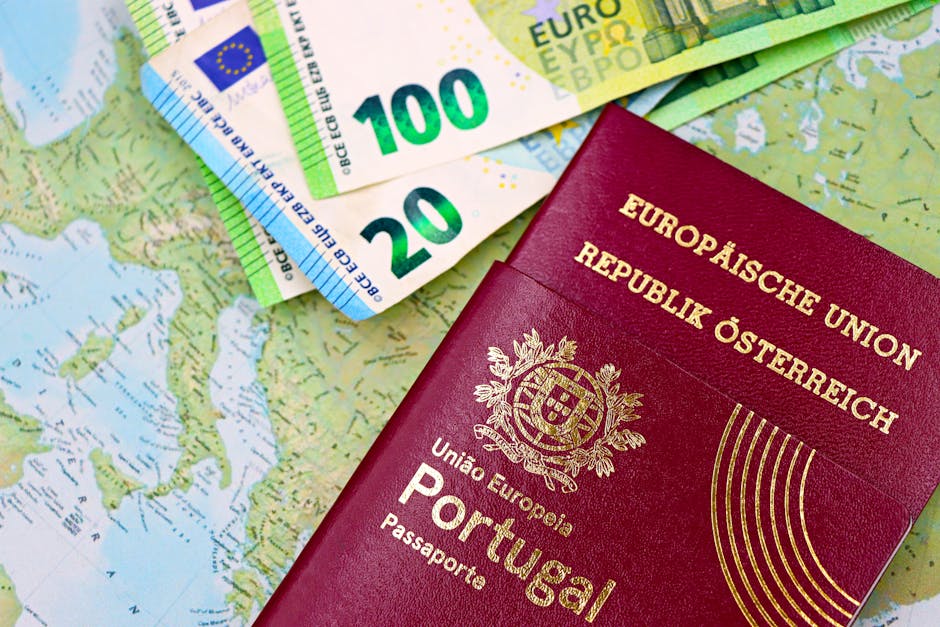 Photo by Marta Branco on Pexels
Impact of French-Language Proficiency
French-language proficiency has been another focal point in 2026, with five draws specifically targeting candidates with this skill. A total of 26,000 ITAs have been issued to French-speaking candidates, highlighting Canada's commitment to promoting bilingualism and supporting the Francophone communities across the country. This initiative not only fosters cultural integration but also strengthens Canada's global competitiveness by leveraging the linguistic diversity of its workforce.
Conclusion: Navigating the Future of Canadian Immigration
The trends observed in the 2026 Express Entry draws underscore Canada's strategic approach to immigration, which balances immediate economic needs with long-term demographic and cultural objectives. By prioritizing trades occupations, provincial nominations, and French-language proficiency, the IRCC is ensuring that the immigration system remains responsive and aligned with national goals.
As Canada continues to refine its immigration policies, potential applicants must stay informed about changing requirements and opportunities. The Express Entry system, with its transparent and dynamic nature, offers a pathway to permanent residency for those who meet the criteria and can contribute to Canada's economic and social fabric. Aspiring immigrants are encouraged to regularly update their profiles and explore options under various categories to enhance their chances of receiving an ITA.
 Photo by Ian Porce on Pexels
In conclusion, 2026 has been a pivotal year for Canada's Express Entry system, reflecting the country's evolving immigration priorities and its commitment to attracting skilled individuals who can drive economic growth and enrich the cultural tapestry. As the world navigates post-pandemic realities, Canada's open and adaptive immigration policies continue to position it as a preferred destination for global talent.