The landscape of Canadian citizenship applications has experienced a significant shift in recent months. As of July 7, the number of individuals awaiting decisions on their proof of Canadian citizenship applications has soared to 99,500. This marks an increase of approximately 17,500 applicants in just one month. The Canadian government's tool for tracking processing times for these certificates was updated on July 7, revealing a jump to a 19-month wait, up from June's 15-month estimate. This surge in applications is largely attributed to the expanded eligibility for citizenship by descent, introduced in December 2025. As a result, the queue has grown exponentially, with numbers rising from 70,400 applications in May to 82,000 in June.
Understanding the Surge in Applications
The recent increase in citizenship applications can be traced back to changes implemented in December 2025, when Canada removed the first-generation limit on citizenship by descent for those born before that date. This change opened up eligibility to anyone who can trace an unbroken line back to a Canadian ancestor, regardless of how many generations have passed. This adjustment has had a profound impact, particularly on Americans, allowing millions to apply for Canadian citizenship.
Many Americans, especially those in New England, have French Canadian ancestry dating back to the migration period between 1840 and 1930. The removal of the generational limit has prompted a surge in applications, as individuals now have the opportunity to claim Canadian citizenship, a status that was previously inaccessible.
Processing Delays and Contributing Factors
In addition to the increase in applications, a review of previously issued proof of citizenship certificates has also contributed to processing delays. In June, the Immigration, Refugees and Citizenship Canada (IRCC) paused finalizing new citizenship-by-descent applications while reviewing approximately 6,500 certificates. This review was conducted to ensure the validity of the supporting documentation under Bill C-3.
The review was completed on June 30, with 100 certificates flagged for potentially insufficient documentation. While 33 were reinstated after verification, 67 remain unresolved. These delays have compounded the already rising caseload and contributed to the extended wait times experienced by applicants.
As a result, individuals applying today can expect to await a decision until around February 2028, given the current queue and processing pace.
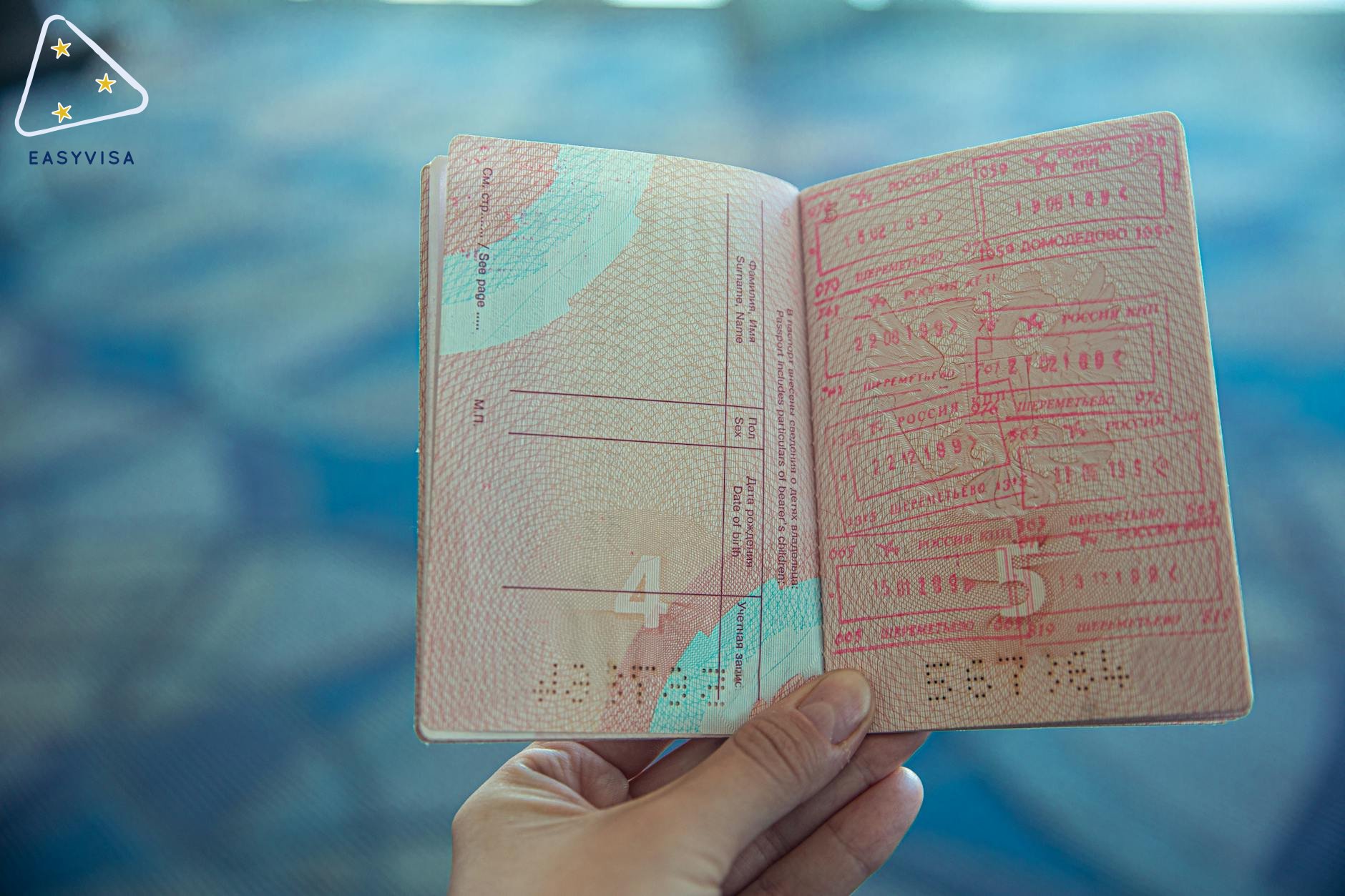
 Photo by Cytonn Photography on Pexels
Is It Worth the Wait?
The decision to apply for proof of Canadian citizenship is a significant one, particularly as the wait time continues to climb. However, delaying the application process may only result in a longer wait. The IRCC's estimates are based on the current number of applications and the expected volume in the coming months. Therefore, individuals who choose to apply later may face even longer wait times.
Moreover, in June, the IRCC updated its guidance for proof of citizenship supporting documentation. The new guidelines specify that documents proving a line of descent must originate from the original source authority. This means that applicants need to ensure their documentation is thorough and aligns with the updated requirements to avoid further delays.
Calculating Processing Times
The IRCC uses a forward-looking method to calculate processing times for proof of Canadian citizenship certificates. This calculation takes into account the number of applications already in the queue, the available staff to process them, and the anticipated influx of new applications in the months ahead. As a result, the estimated processing time can fluctuate, especially if there is a sudden surge in application volumes.
These dynamic calculations are why the estimated processing time has continued to rise throughout the year, reflecting the ongoing demand for Canadian citizenship proof.
 Photo by Arif Syuhada on Pexels
Implications for Americans Seeking Citizenship
For many Americans, the opportunity to apply for Canadian citizenship is a chance to reconnect with their family heritage. The removal of the first-generation limit on citizenship by descent has opened the door for individuals who were previously ineligible. This change is particularly significant for those with French Canadian ancestry and has sparked a surge in applications from the United States.
Individuals who can trace their ancestry back to a Canadian grandparent, great-grandparent, or other ancestor may already be Canadian citizens, even if they were born outside of Canada. However, holding a proof of citizenship certificate is essential for confirming this status and is necessary for applying for a Canadian passport.
For those considering applying, it is important to start by checking eligibility through available online tools, such as CanadaVisa's eligibility calculator. This step can help prospective applicants determine their eligibility and begin gathering the necessary documentation for their application.
 Photo by Harrison Haines on Pexels
Conclusion: Navigating the Path Forward
The recent surge in applications for proof of Canadian citizenship reflects a growing interest in reconnecting with Canadian roots and securing a valuable status. While the wait time may seem daunting, understanding the reasons behind the delays and the factors affecting processing times can help applicants make informed decisions.
For those who are eligible, applying sooner rather than later may be the best course of action to avoid even longer wait times in the future. Ensuring that all documentation is complete and aligns with the updated guidelines is also crucial to expedite the process.
The changes made by the Canadian government have opened new opportunities for many individuals, particularly Americans with Canadian ancestry. By navigating the application process thoughtfully and preparing for the current wait times, applicants can ultimately achieve their goal of obtaining proof of Canadian citizenship and the benefits it entails.