Navigating Canada's Business Visitor Work Permit Exemption

Discover Canada's updated regulations for business visitors, streamlining entry under work permit exemptions.
Canada immigration business visitor work permit exemption

Canada has recently introduced new guidelines that apply to foreign nationals seeking entry under the work permit exemption for business visitors. This update is significant as it clarifies the scenarios under which foreign nationals can qualify as business visitors, potentially making the process of entering Canada simpler and faster for eligible individuals. By understanding these new rules, foreign nationals can better prepare their applications and increase their chances of a successful entry.

Understanding Business Visitor Work Permit Exemptions

The concept of a business visitor in Canada is designed to facilitate the entry of foreign nationals who intend to engage in business activities without entering the Canadian labor market directly. This category is particularly appealing as it allows eligible individuals to bypass the often lengthy and complex work permit application process. However, navigating the nuances of these exemptions requires a clear understanding of the criteria set forth by Canadian immigration authorities.

Eligibility Criteria for Business Visitors

According to the updated guidelines published on March 19, 2026, three key scenarios illustrate the types of activities that could qualify one as a business visitor:

  • Purchasing or receiving training for Canadian goods or services.
  • Receiving or giving training within a Canadian parent or subsidiary of their foreign employer.
  • Selling goods, provided the sales are not directed to the Canadian general public.

It is crucial to note that these examples are not exhaustive, meaning there may be other qualifying activities. Furthermore, the updated instructions specify that if an applicant's trip is employer-funded, a letter confirming financial support must accompany the application, along with proof of personal funds.

Additional Requirements and Documentation

Beyond the activity-based criteria, applicants must also demonstrate that their business activities are international in scope. This requirement ensures that the foreign national's involvement does not impact the local Canadian labor market. Essential documentation includes a letter from the foreign employer and, if applicable, a letter of invitation from the Canadian entity involved in the business transaction.

canada immigration office
Photo by David Kanigan on Pexels

Applicants must also provide evidence of financial support and comply with all general entry requirements set by Canadian authorities. This comprehensive documentation helps immigration officers assess whether the applicant genuinely qualifies as a business visitor under Canadian law.

Challenges and Considerations for Foreign Nationals

For many foreign nationals, entering Canada as a business visitor represents an attractive option due to its relative simplicity compared to obtaining a full work permit. However, it is not without its challenges. The onus is on the applicant to convincingly demonstrate eligibility through precise and thorough documentation. Moreover, entry is never guaranteed, as immigration officers possess broad discretion in granting entry.

Addressing Potential Barriers

One significant barrier for some applicants is criminal inadmissibility. Even minor offenses in other jurisdictions, such as misdemeanors in the United States, can result in criminal inadmissibility under Canadian law. In such cases, applicants may need to seek temporary resident permits or demonstrate rehabilitation to overcome these challenges.

Experienced immigration representatives can offer invaluable assistance in preparing robust applications and addressing potential issues such as criminal inadmissibility. Their expertise can significantly improve an applicant's chances of successfully entering Canada as a business visitor.

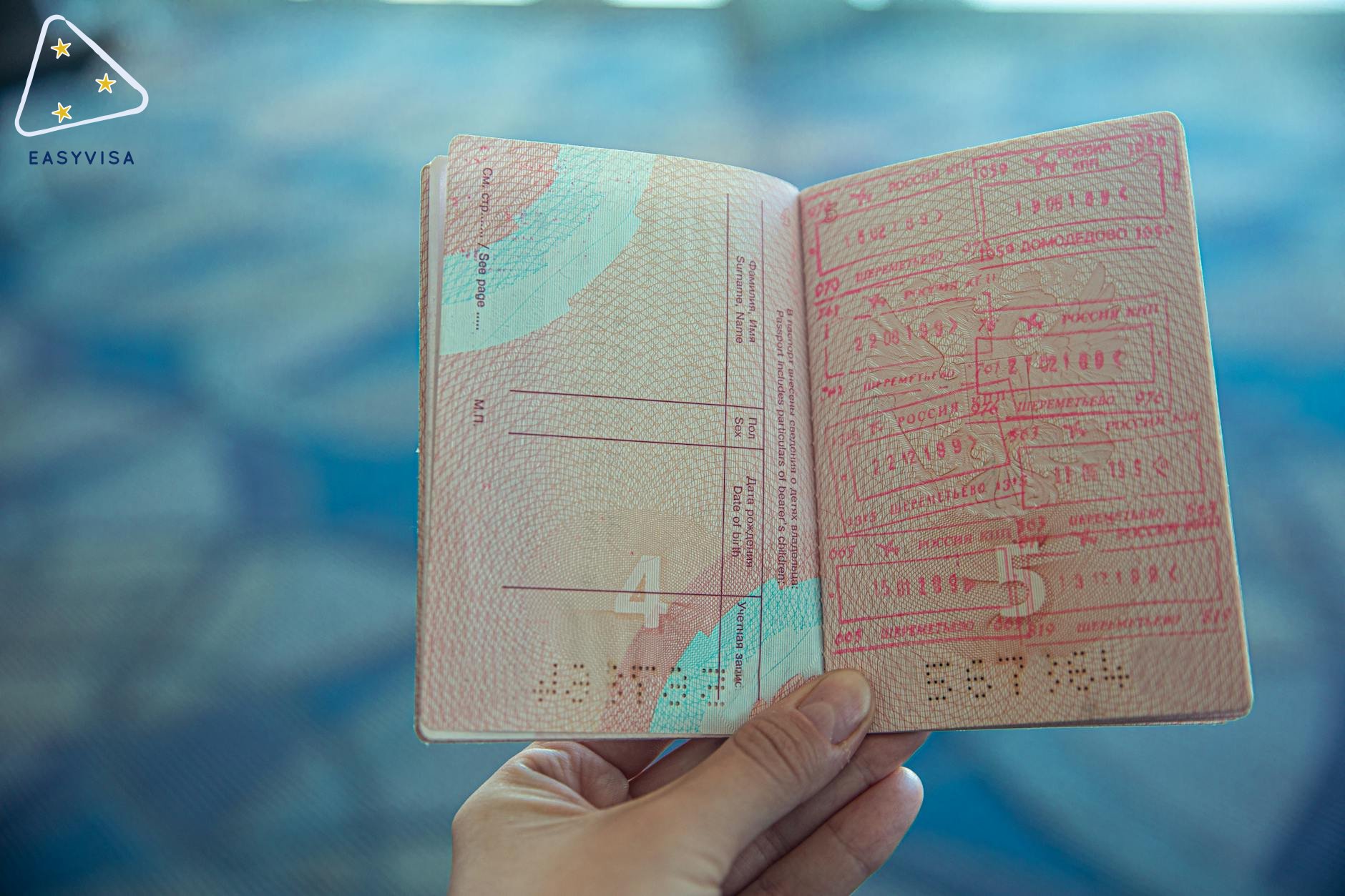
passport documents
Photo by Borys Zaitsev on Pexels

Ultimately, while the business visitor route offers a promising pathway for many, applicants must navigate the process carefully to meet all criteria and requirements effectively.

Conclusion

The recent updates to Canada's business visitor work permit exemption guidelines provide clarity and guidance for foreign nationals seeking entry for business purposes. By understanding the eligibility criteria, documentation requirements, and potential challenges, applicants can better prepare their applications and improve their chances of success. The role of experienced immigration representatives cannot be understated, as they can provide critical support and advice throughout the process. As Canada continues to refine its immigration policies, staying informed on these developments is crucial for those looking to engage in international business activities within Canada.

airport terminal
Photo by Angelyn Sanjorjo on Pexels

Comments (4)

J
James Wilson
2026-03-20 15:02

Wow, this info is a game-changer for me! I was feeling pretty lost about the whole business visitor permit process, but these new guidelines make it so much clearer. I’m planning a trip to Canada soon, so this couldn’t have come at a better time! Thanks for sharing!

M
Maya
2026-03-20 15:02

Hey, I just wanted to say how helpful the breakdown of the eligibility criteria was! It really cleared up my confusion about what qualifies as "business activities." Thanks for breaking it down so clearly!

D
David Kim
2026-03-20 15:02

Hey, I just read the part about the eligibility criteria for the exemption, and it really cleared up some confusion I had! I appreciate how you broke it down—it makes the whole process seem a lot more manageable now. Thanks for sharing!

M
Michael Singh
2026-03-20 15:02

Great info here! Just wondering, how do these exemptions differ for entrepreneurs compared to regular business visitors?

Leave a Comment

Frequently Asked Questions

To qualify as a business visitor to Canada, an individual must engage in business activities without entering the Canadian labor market. This typically includes attending meetings, conferences, or trade shows, conducting site visits, or providing after-sales service. Importantly, the business visitor should not be taking employment with a Canadian company or providing direct services to the Canadian public. The primary purpose of their visit must be to explore business opportunities or establish business relationships. Additionally, the visitor must demonstrate that their business activities are temporary in nature and that they will not overstay their allowed time in Canada. Proper documentation, such as an invitation letter from a Canadian company and proof of the business relationship, can help substantiate the business visitor status.
The recent guidelines introduced by Canadian immigration authorities clarify the scenarios under which foreign nationals can qualify as business visitors. These guidelines outline specific activities that are permissible under the business visitor exemption, making it easier for applicants to understand their eligibility. The updates focus on distinguishing between business visitors and those who require a work permit, emphasizing that business visitors cannot engage in activities that would normally require a work permit, such as performing a job or providing services to the public. Additionally, the guidelines stress the importance of temporary visits for exploring business opportunities and building relationships, rather than entering the Canadian labor market. By following these new guidelines, applicants can streamline their entry process and reduce the chances of complications during border entry.
Preparing a strong application as a business visitor involves several key steps. First, you should clearly define the purpose of your visit and ensure that it aligns with the criteria for business visitors. Gather all necessary documentation, such as an invitation letter from a Canadian business, proof of your business relationship, and any relevant contracts or agreements. It is also beneficial to provide evidence of your financial means to support yourself during your stay in Canada, along with a detailed itinerary of your planned activities. Furthermore, ensure that you have a valid passport and understand the duration you are allowed to stay in Canada as a business visitor. Being well-prepared will not only help in your application process but also facilitate a smoother entry at the border. Lastly, consider consulting with an immigration professional to review your application and advise on any specific requirements based on your unique situation.
As a business visitor to Canada, certain activities are strictly prohibited. Primarily, you cannot engage in any form of employment or work that would typically require a work permit. This includes taking on a job with a Canadian company, conducting direct selling, or providing services to the Canadian public. Additionally, participating in any activities that involve hands-on work or engaging in training that would benefit a Canadian employer is not allowed. Business visitors are also not permitted to receive payment from a Canadian source for any services rendered during their stay. It’s essential to adhere to these restrictions, as violating them could lead to being denied entry or future immigration challenges. To ensure compliance, it’s advisable to stick to activities such as attending meetings, negotiating contracts, or participating in trade exhibitions, which are deemed acceptable under the business visitor classification.
The duration of stay for business visitors in Canada can vary depending on several factors, including the specifics of the visit and the discretion of border officials. Generally, business visitors can stay in Canada for up to six months without a work permit. However, the actual length of stay will be determined at the port of entry based on the purpose of the visit and the supporting documentation provided. It’s crucial to be clear about your intended activities and to demonstrate that your visit is temporary. Upon entry, the customs officer will stamp your passport with the duration of your stay. If you require a longer stay for business purposes, you may need to apply for an extension of your visitor status before your initial entry period expires. Always ensure that you comply with the terms of your stay to avoid any future immigration issues.

Rate this article

Average rating: 4.5 (0 votes)

Related Articles