Navigating Canada's 2026 Express Entry Draws: A Comprehensiv

Explore Canada's Express Entry draws in 2026, focusing on healthcare, social services, and Canadian work experience.
Express Entry Canada immigration healthcare professionals

Canada's immigration system continues to evolve with its dynamic and strategic approach to welcoming new residents. In 2026, the Immigration, Refugees and Citizenship Canada (IRCC) has refined its focus on specific sectors and candidate profiles through the Express Entry system. This article offers an in-depth look at the recent draws and the strategic priorities driving Canada's immigration policy.

Overview of 2026 Express Entry Draws

The Express Entry system, a cornerstone of Canada's immigration framework, has adapted its mechanisms to prioritize candidates in critical sectors. As of 2026, the IRCC has conducted multiple draws focusing on healthcare and social services, among others. This year, a total of 34,848 Invitations to Apply (ITAs) have been issued across various categories, reflecting a targeted approach to meet labor market demands and demographic goals.

The draw on February 20, 2026, marked a significant milestone, prioritizing applicants in the healthcare and social services sector. Candidates needed a minimum Comprehensive Ranking System (CRS) score of 467, with 4,000 ITAs issued. This focus on healthcare professionals underscores Canada's commitment to bolstering its public health system amidst ongoing challenges.

Express Entry Categories and CRS Requirements

Express Entry draws this year have been categorized into several distinct types, each with specific CRS score requirements. These include:

  • Healthcare and Social Services: CRS 467
  • Canadian Experience Class: CRS 508, 509, and 511
  • Provincial Nominee Program: CRS ranging from 711 to 789
  • French-Language Proficiency: CRS 400
  • Physicians with Canadian Work Experience: CRS 169

Each category is tailored to attract candidates with skills and experience that align with Canada's economic and social priorities.

canada immigration office
Photo by David Kanigan on Pexels

Impact of Targeted Selection on Immigration Goals

The targeted selection of candidates based on sector-specific needs and language proficiency reflects a strategic alignment with Canada's broader immigration goals. By focusing on healthcare and social services, the IRCC aims to address labor shortages in critical areas while fostering economic growth and social stability. Furthermore, the emphasis on French-language proficiency supports Canada's bilingual mandate, enhancing cultural diversity and integration.

Analyzing the Healthcare and Social Services Focus

The emphasis on healthcare and social services in the 2026 Express Entry draws highlights the sector's strategic importance. With an aging population and increased demand for healthcare services, Canada is proactively recruiting professionals who can contribute to the sustainability and efficiency of its healthcare system.

This sector-specific draw, the first of its kind in 2026, underscores the need for skilled workers in healthcare and social services. By issuing 4,000 ITAs in this category alone, Canada demonstrates its commitment to strengthening its healthcare workforce, ensuring that the system remains robust and responsive to public health needs.

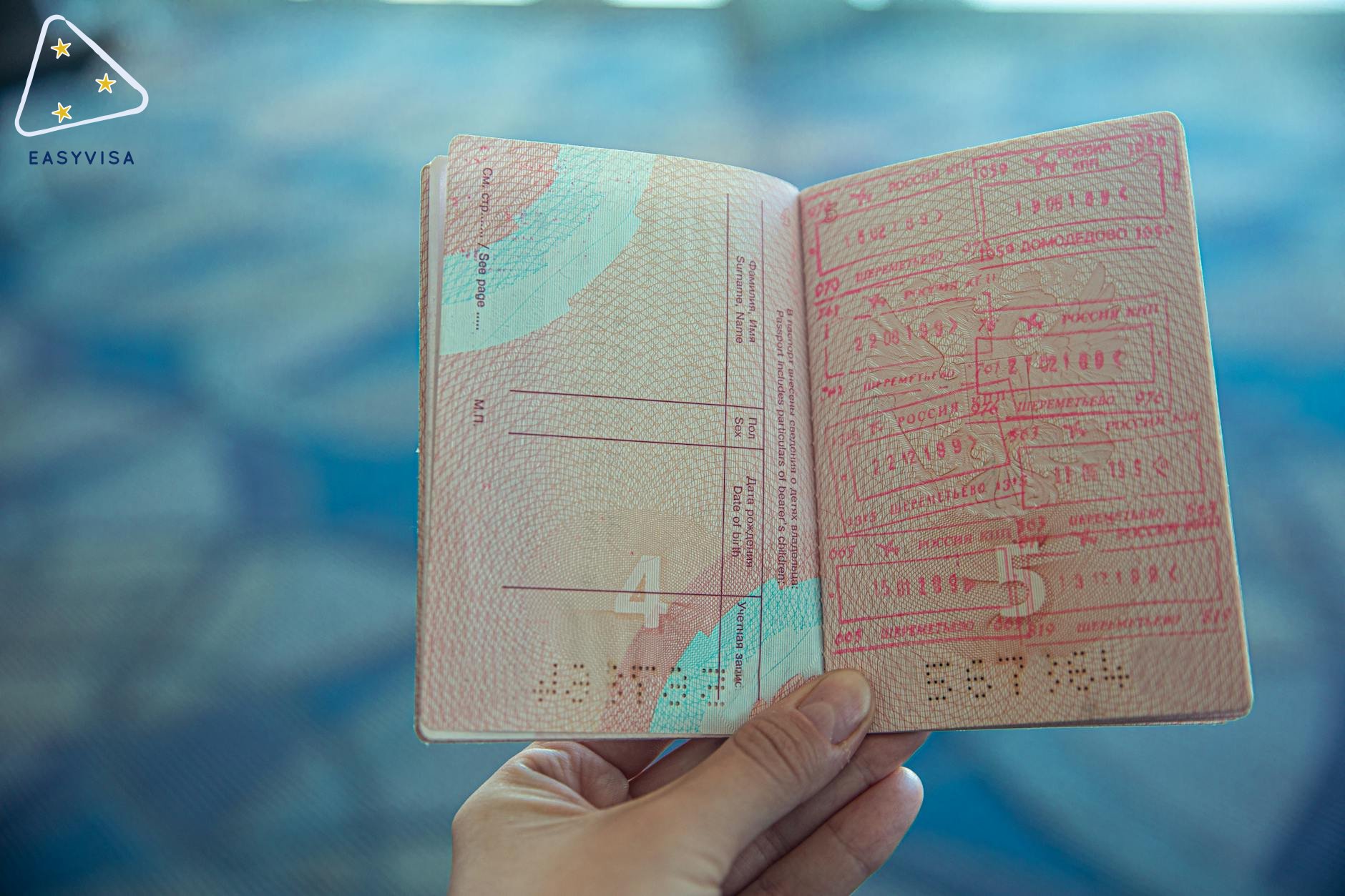
passport documents
Photo by Borys Zaitsev on Pexels

Challenges and Opportunities for Applicants

For prospective immigrants, the 2026 Express Entry draws present both challenges and opportunities. The sector-specific focus requires candidates to align their profiles with the strategic needs of Canada's economy. This necessitates a strong understanding of the CRS system and an ability to adapt to changing eligibility criteria.

Applicants in the healthcare and social services sector must not only meet the minimum CRS score but also demonstrate relevant work experience and qualifications. This targeted approach ensures that ITAs are granted to candidates who can make immediate and significant contributions to their respective fields.

Conclusion: Navigating Future Prospects in Canadian Immigration

As we progress through 2026, Canada's Express Entry system continues to evolve, reflecting the dynamic needs of its labor market and demographic landscape. The strategic focus on healthcare, social services, and language proficiency demonstrates Canada's commitment to building a diverse and resilient society.

For aspiring immigrants, understanding the nuances of the Express Entry draws and aligning their profiles with Canada's priorities is crucial. The targeted selection process not only supports Canada's economic goals but also provides opportunities for individuals to contribute to the country's growth and prosperity.

As Canada continues to refine its immigration strategies, prospective applicants must stay informed about policy changes and eligibility criteria. By doing so, they can effectively navigate the Canadian immigration system and seize the opportunities presented by the 2026 Express Entry draws.

airport terminal
Photo by Angelyn Sanjorjo on Pexels

Future Outlook for Express Entry Candidates

Looking ahead, the emphasis on specific sectors, such as healthcare and social services, is likely to continue as Canada addresses ongoing labor market challenges. For candidates, this means that staying abreast of policy updates and maintaining a competitive CRS score will be essential for success in the Express Entry system.

Comments (5)

R
Ryan
2026-02-21 14:01

Wow, this info is super helpful! I’m just starting my application and was feeling overwhelmed. It’s nice to see how the draws are changing; it gives me hope that I might get a chance sooner than I thought!

D
David Kim
2026-02-21 14:01

Hey! I found the part about the new scoring system really informative. It helped me understand how my skills might weigh into my application. Thanks for breaking it down so clearly!

K
Kevin Brown
2026-02-21 14:00

Totally loved how you broke down the changes in the points system. It made it way easier for me to grasp what I need to focus on for my application. Thanks a ton for that clarity!

K
Kevin Brown
2026-02-21 14:00

Great insights! I’m curious, how will these changes affect applicants from smaller provinces versus larger ones?

P
Priya Sharma
2026-02-21 14:00

Wow, this is such an eye-opener! I’m currently on my journey to apply for Express Entry, and honestly, I was feeling lost before reading this. It’s super reassuring to know there are updated strategies. Thanks for breaking it down so clearly!

Leave a Comment

Frequently Asked Questions

The Express Entry system is Canada's primary method for managing applications for permanent residency from skilled workers. Introduced in 2015, it uses a points-based system to evaluate candidates based on factors such as age, education, work experience, and language proficiency. In 2026, the system has evolved to focus on specific sectors that are in high demand in Canada, such as healthcare and social services. Candidates create an online profile, and those with the highest scores are invited to apply for permanent residency during regular draws conducted by Immigration, Refugees and Citizenship Canada (IRCC). This system allows Canada to respond dynamically to labor market needs while facilitating the immigration process for qualified individuals.
The 2026 Express Entry draws have seen a notable shift in focus compared to previous years. While past draws were more generalized, the IRCC has refined its criteria to prioritize applicants in specific sectors experiencing labor shortages, particularly healthcare and social services. This strategic approach aims to address immediate workforce needs and demographic challenges in Canada. In 2026, a total of 34,848 Invitations to Apply (ITAs) have been issued, reflecting a targeted selection process. Candidates with relevant work experience or education in these priority sectors stand a better chance of receiving an ITA. This change enhances Canada's ability to attract skilled workers where they are most needed, ensuring the country remains competitive and responsive to its economic demands.
Eligibility for the 2026 Express Entry draws generally requires candidates to meet certain criteria set by the IRCC. Applicants must first qualify for one of the federal economic immigration programs, such as the Federal Skilled Worker Program, Federal Skilled Trades Program, or Canadian Experience Class. Key eligibility factors include having a valid job offer, relevant work experience in a targeted occupation, and meeting language proficiency requirements in English or French. In 2026, those with backgrounds in healthcare and social services are particularly favored due to the pressing demands in these sectors. Candidates must also create an online profile and receive a Comprehensive Ranking System (CRS) score, which determines their rank in the pool of applicants. Staying updated on the evolving criteria and draws is crucial for potential applicants.
The Comprehensive Ranking System (CRS) score is vital for candidates in the Express Entry system, as it determines their ranking among applicants. Key factors affecting the CRS score include age, education level, official language proficiency, work experience, and other adaptability factors. Age plays a significant role, with younger applicants typically receiving more points. Higher levels of education and recognized credentials can significantly increase scores, as can proficiency in English or French, assessed through standardized tests. Work experience, particularly in high-demand fields like healthcare, adds valuable points as well. Additionally, candidates can earn extra points for having a sibling in Canada, previous study or work experience in Canada, and a valid job offer. Understanding how these factors contribute to the CRS score can help candidates strategize and enhance their profiles effectively.
Receiving an Invitation to Apply (ITA) is a significant milestone in the Canadian immigration process. Once you receive an ITA, you have 60 days to submit a complete application for permanent residency, which includes providing detailed personal information, work history, educational credentials, and proof of language proficiency. It’s essential to gather all necessary documents, such as police clearance certificates and medical exam results, to avoid delays. Ensure that your application is accurate and truthful, as discrepancies can lead to rejections. After submission, the IRCC will process your application, which may take several months. During this time, you might be asked to provide additional information or attend an interview. Keep track of your application status online and be prepared for any follow-up actions. Successfully navigating this stage is crucial for achieving your goal of becoming a permanent resident in Canada.

Rate this article

Average rating: 4.5 (0 votes)

Related Articles