Navigating Canada's Express Entry: Key Insights and Latest U

Explore Canada's Express Entry system with essential insights and updates to streamline your immigration journey.
Express Entry Canada immigration CRS score

The Express Entry system remains a pivotal pathway for skilled immigrants seeking permanent residence in Canada. Designed to streamline the immigration process, this system prioritizes candidates based on their ability to contribute to the Canadian economy. With the evolving landscape of immigration policies, staying informed about the latest changes and strategies is crucial for applicants aiming to enhance their chances of success.

Understanding the Express Entry System

Express Entry is a points-based immigration system that manages applications for three federal economic programs: the Federal Skilled Worker Program, the Federal Skilled Trades Program, and the Canadian Experience Class. Candidates are ranked using the Comprehensive Ranking System (CRS), which assesses factors like age, education, work experience, and language proficiency. Those with the highest scores receive Invitations to Apply (ITAs) for permanent residence.

The system's efficiency lies in its ability to process applications swiftly, often providing candidates with outcomes within six months. Regular draws are conducted to invite top-ranking candidates, making it imperative for applicants to keep their profiles updated and scores competitive.

Recent Trends in Express Entry Draws

Recent Express Entry draws have seen significant changes, with category-based selections gaining prominence. This approach allows for targeted invitations to candidates with specific skills or qualifications needed in Canada. For instance, the healthcare and technology sectors have been focal points, with many candidates from these fields receiving ITAs despite lower CRS scores.

Moreover, 2023 witnessed one of the largest draws in history, emphasizing Canada's commitment to meeting its immigration targets. This move is part of a broader strategy to address labor shortages and boost economic growth through skilled immigration.

canada immigration office
Photo by David Kanigan on Pexels

Strategies for Improving CRS Scores

Enhancing your CRS score is critical for increasing your chances of receiving an ITA. Candidates can explore various strategies to boost their scores, such as improving language proficiency, gaining additional work experience, or pursuing higher education. Language tests like IELTS or CELPIP play a significant role, with higher scores translating directly into more CRS points.

Post-secondary education, especially in Canadian institutions, can also provide a substantial boost. Additionally, gaining work experience in Canada through temporary work permits or the Post-Graduation Work Permit Program (PGWPP) can significantly elevate a candidate's profile.

Leveraging Provincial Nominee Programs (PNPs)

Provincial Nominee Programs offer another avenue to enhance Express Entry profiles. Many provinces have specific streams aligned with the Express Entry system, allowing candidates to receive additional points for a provincial nomination. These nominations can add 600 points to a candidate's CRS score, virtually guaranteeing an ITA in subsequent draws.

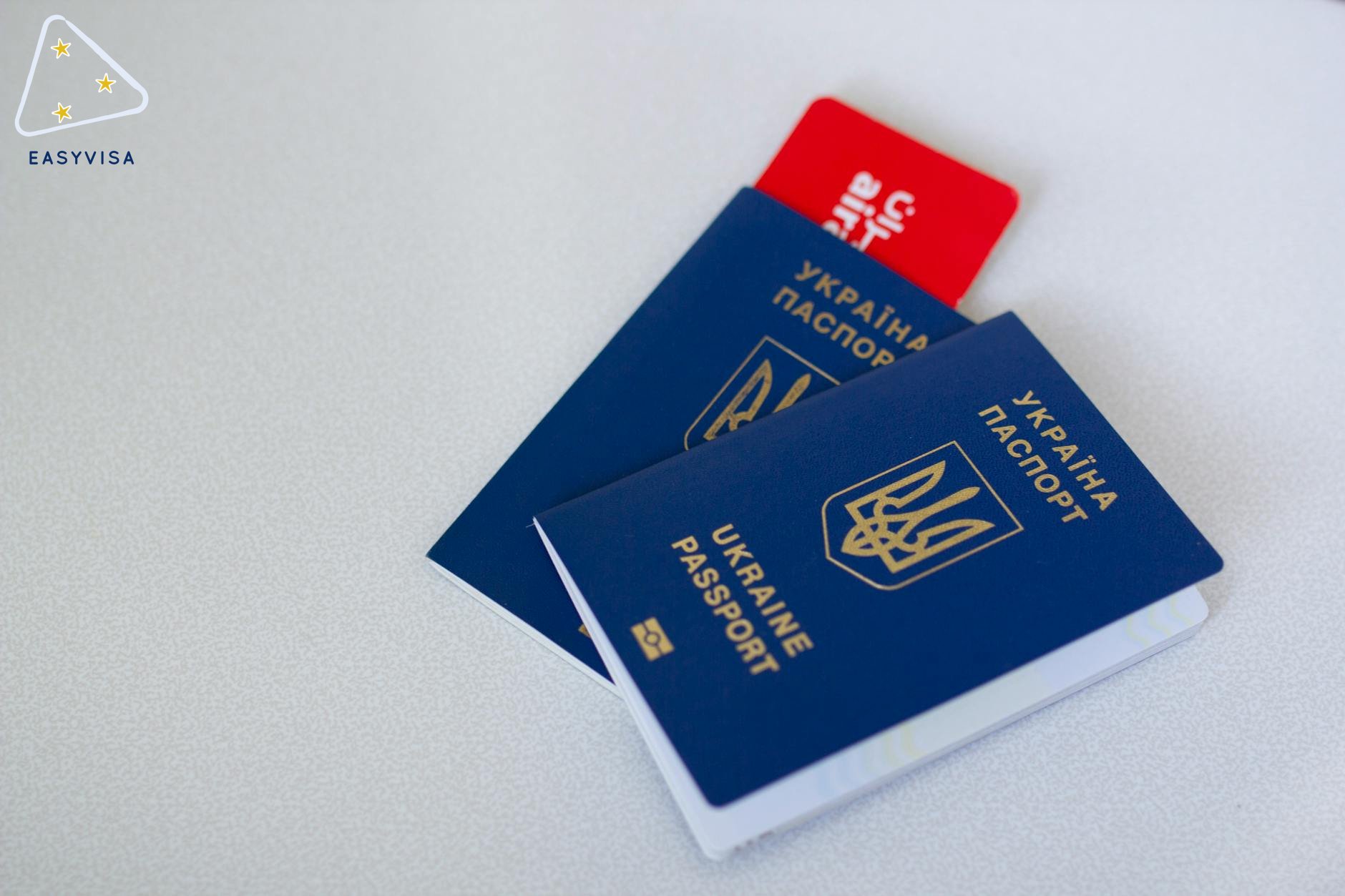
passport documents
Photo by Borys Zaitsev on Pexels

The Role of Foreign Work Experience

Foreign work experience is a crucial component of the CRS scoring matrix. Candidates with substantial work experience in their home countries may receive additional points, provided they can validate their credentials and demonstrate relevance to the Canadian labor market. It's essential to ensure that job titles and duties align with Canada's National Occupational Classification (NOC) codes.

Moreover, candidates should maintain comprehensive documentation, including reference letters and employment contracts, to support their claims of foreign work experience.

Common Challenges and Solutions

While the Express Entry system offers a streamlined process, candidates often face challenges, such as understanding complex eligibility requirements and managing document submissions. Consulting with immigration professionals or utilizing government-provided resources can help navigate these complexities effectively.

airport terminal
Photo by Angelyn Sanjorjo on Pexels

Conclusion

Canada's Express Entry system continues to evolve, offering skilled immigrants an efficient pathway to permanent residence. By staying informed about recent trends, enhancing CRS scores, and leveraging provincial opportunities, candidates can significantly improve their chances of success. As Canada remains committed to welcoming skilled immigrants, understanding the intricacies of the Express Entry system and adapting to changes will be vital in achieving immigration goals.

Comments (3)

P
Priya Sharma
2026-02-12 13:00

Great info here! Just wondering, do you think there are specific provinces that are easier for newcomers to settle in through Express Entry?

R
Ryan
2026-02-12 13:00

Hey! I really liked the part where you broke down the Comprehensive Ranking System. It cleared up a lot of confusion I had about how points are calculated. Super helpful, thanks for sharing that!

C
Chris Taylor
2026-02-12 13:00

Great info! Just curious, how do points get affected if my partner has a higher score than me?

Leave a Comment

Frequently Asked Questions

The Express Entry system is a points-based immigration framework that manages applications for three main federal economic programs: the Federal Skilled Worker Program, the Federal Skilled Trades Program, and the Canadian Experience Class. It allows skilled immigrants to apply for permanent residence in Canada while prioritizing candidates based on their potential to contribute to the economy. Candidates are ranked using the Comprehensive Ranking System (CRS), which evaluates factors such as age, education, work experience, and language proficiency. Those with the highest scores receive Invitations to Apply (ITAs) for permanent residency, making it crucial for applicants to understand how to maximize their CRS score to improve their chances of success.
The Comprehensive Ranking System (CRS) is a scoring system used within the Express Entry framework to evaluate and rank candidates seeking permanent residency in Canada. It assigns points based on various factors, including age, education level, work experience, language skills, and whether the applicant has a job offer or a provincial nomination. The maximum CRS score is 1,200 points, with additional points available for skills transferability and certain Canadian qualifications. Regular draws are conducted, and candidates with the highest scores are invited to apply for permanent residency. Staying competitive in the CRS requires continuous improvement in key areas, such as enhancing language proficiency or gaining additional work experience.
To be eligible for the Express Entry system, candidates must meet the criteria of one of the three federal programs: the Federal Skilled Worker Program, the Federal Skilled Trades Program, or the Canadian Experience Class. Generally, candidates must demonstrate proficiency in English or French through standardized language tests, possess a valid educational credential assessment (ECA) for foreign degrees, and have relevant work experience. The specific requirements vary by program; for instance, the Federal Skilled Worker Program requires at least one year of continuous work experience in a skilled occupation, while the Canadian Experience Class requires at least one year of work experience in Canada. Meeting these eligibility criteria is essential to enter the Express Entry pool.
Improving your Comprehensive Ranking System (CRS) score is crucial for enhancing your chances of receiving an Invitation to Apply (ITA) for permanent residency in Canada. Here are several strategies to consider: First, invest time in improving your language proficiency in English or French, as higher language test scores can significantly boost your CRS points. Second, consider obtaining a Canadian job offer or a provincial nomination, both of which can add a substantial number of points to your score. Additionally, pursuing further education or obtaining a Canadian credential can enhance your qualifications. Lastly, ensure that your work experience is accurately reflected and consider acquiring skilled work experience in Canada if possible. Regularly reviewing your profile and seeking professional advice can also help identify other ways to improve your score.
Once you receive an Invitation to Apply (ITA) through the Express Entry system, you are given a limited time—usually 60 days—to submit a complete application for permanent residency. This application must include all required documentation and information regarding your eligibility, such as proof of language proficiency, educational credential assessments, and work experience letters. After submitting your application, it will undergo processing by Immigration, Refugees and Citizenship Canada (IRCC), which may involve additional verification or requests for further documentation. If your application is approved, you will receive a Confirmation of Permanent Residence (COPR), allowing you to complete your immigration process and settle in Canada. It's essential to ensure that all information is accurate and complete to avoid delays or refusals.

Rate this article

Average rating: 4.5 (0 votes)

Related Articles