
Comprehensive Guide to Family Sponsorship in Canadian Immigr

Explore the essential details of family sponsorship for Canadian immigration, covering spousal sponsorship, the Super Visa, and more.
family sponsorship super visa Canadian immigration Spousal sponsorship

Family sponsorship is a cornerstone of Canada's immigration policy, allowing Canadian citizens and permanent residents to reunite with their loved ones. It offers multiple pathways for sponsoring family members, thereby strengthening familial bonds and integrating diverse cultures into the Canadian mosaic. This guide delves into the key aspects of family sponsorship, providing insights into spousal sponsorship, the Super Visa, and the Parents and Grandparents Program.

Understanding Spousal Sponsorship

Spousal sponsorship enables Canadian citizens and permanent residents to sponsor their spouse, common-law partner, or conjugal partner for permanent residence in Canada. This program aims to facilitate family reunification by allowing eligible partners to live and work in Canada without delay.

Inland vs. Outland Sponsorship

There are two primary routes for spousal sponsorship: inland and outland. Inland sponsorship is for couples already residing in Canada, allowing the sponsored partner to apply for an open work permit during the application process. Outland sponsorship is typically pursued when the sponsored partner resides outside Canada or intends to travel frequently during the process. Each route has specific eligibility criteria and processing times.

canada immigration office
Photo by Claudia Solano on Pexels

Exploring the Super Visa

The Super Visa offers a flexible alternative for parents and grandparents wishing to visit their family in Canada for extended periods. Unlike regular visitor visas, the Super Visa allows for stays of up to two years per visit, with multiple entries permitted over a ten-year period.

Eligibility and Requirements

Applicants must meet certain criteria, including sufficient medical insurance coverage and proof of financial support from the sponsor. Recent policy changes have eased health insurance requirements, making the Super Visa more accessible.

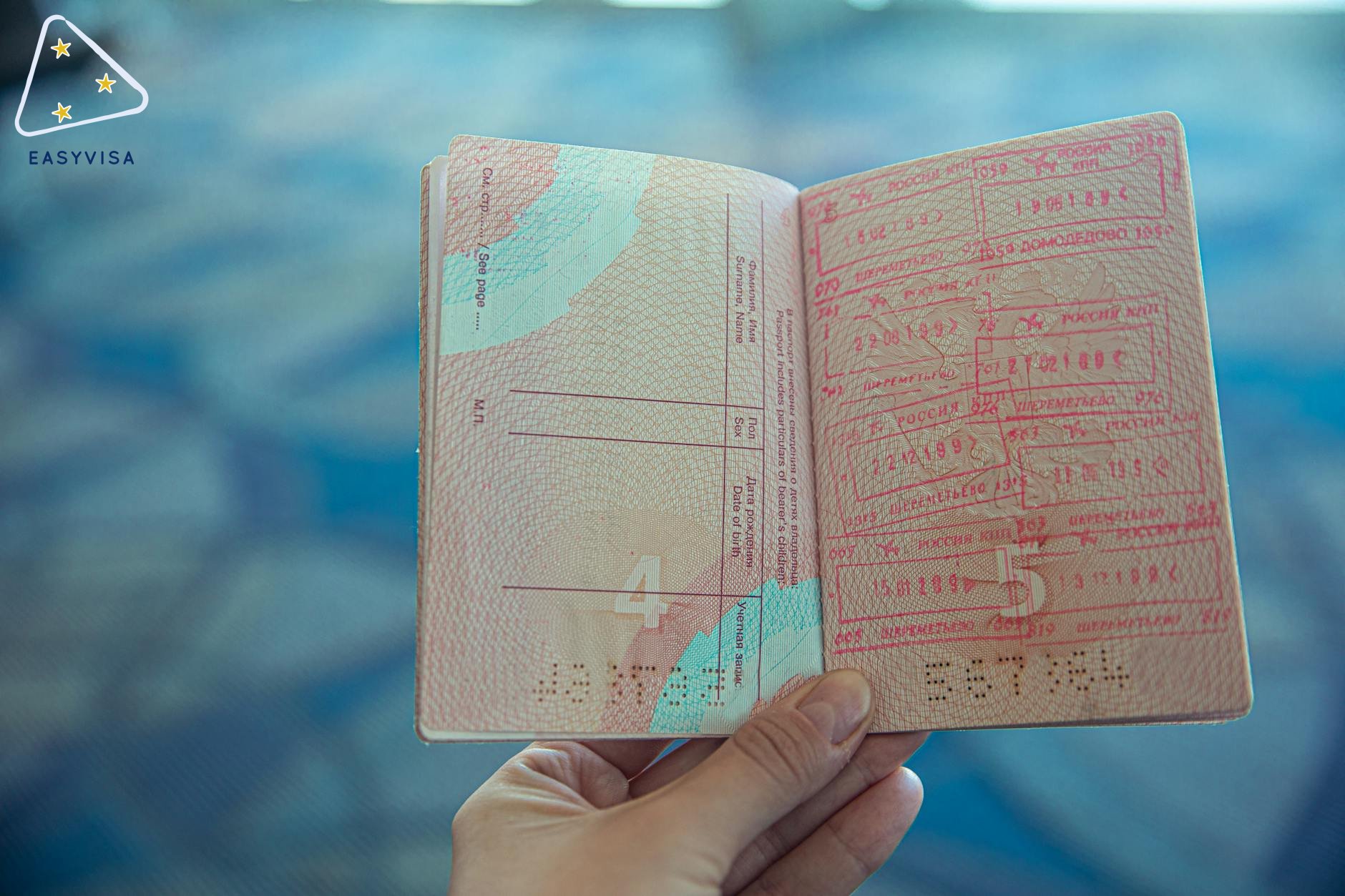
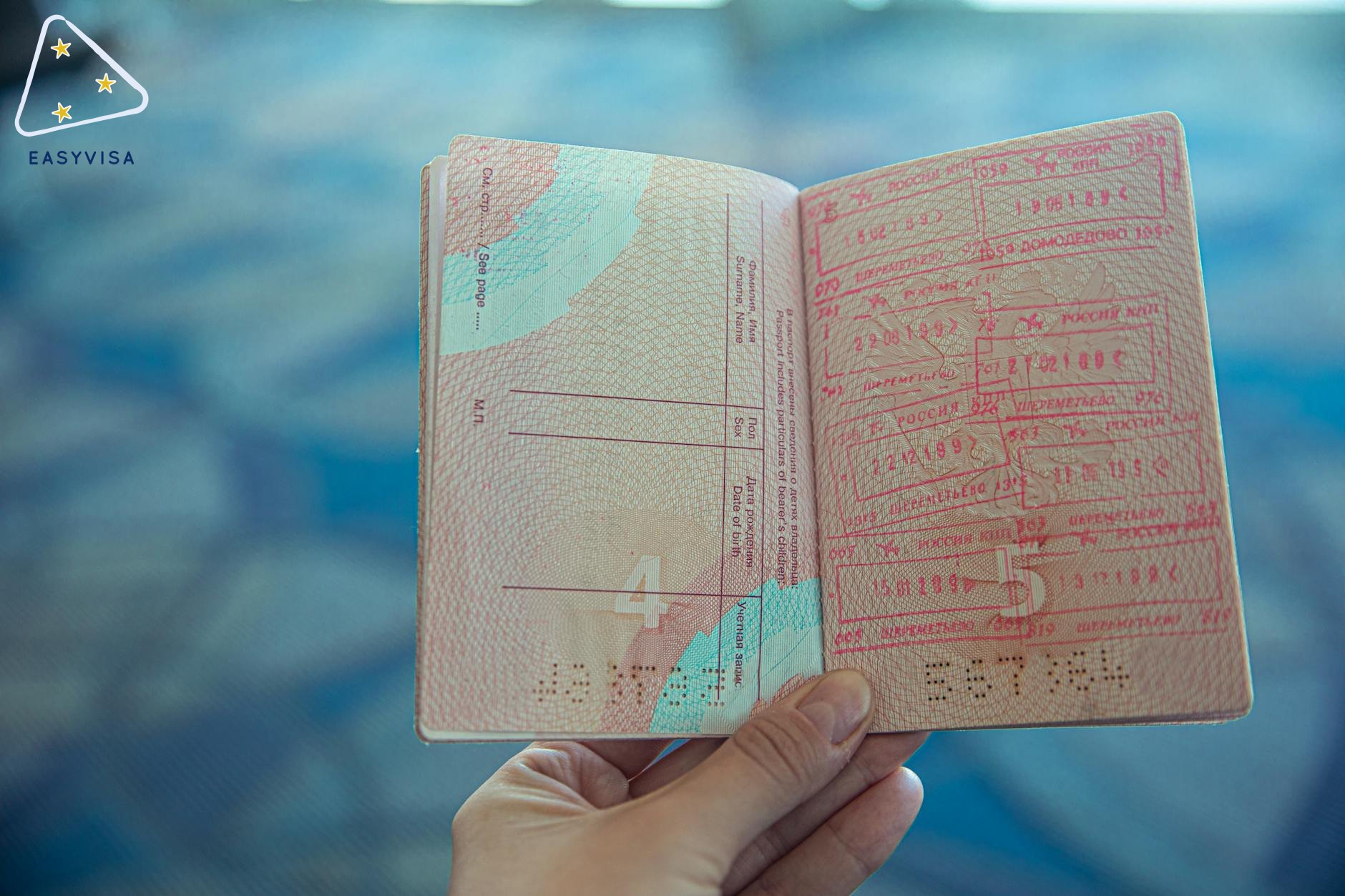
passport documents
Photo by Vlada Karpovich on Pexels

The Parents and Grandparents Program (PGP)

The PGP provides a route for Canadian citizens and permanent residents to sponsor their parents and grandparents for permanent residence. The program has an annual intake cap, with a lottery system determining which applications are processed each year.

Common Mistakes to Avoid

Applicants often face challenges due to incomplete documentation, failure to meet income requirements, or misunderstanding program rules. Staying informed about the latest updates and meticulously preparing application materials can increase the likelihood of success.

Conclusion

Family sponsorship in Canadian immigration is a vital process that enables families to reunite and thrive together in Canada. Understanding the nuances of spousal sponsorship, the Super Visa, and the PGP is crucial for a successful application. By staying informed about policy changes and preparing thoroughly, applicants can navigate the process with greater ease and confidence, ensuring that their loved ones can join them in Canada.

airport terminal
Photo by Adrian Agawin on Pexels

Comments (5)

D
David Kim
2025-11-30 14:01

The part about the eligibility criteria for sponsors was super helpful! I didn't realize there were so many aspects to consider, especially around income levels. It really clarified things for me, thanks!

A
Alex Johnson
2025-11-30 14:01

Great info here! Just curious, what’s the process like for sponsoring a sibling compared to a spouse?

L
Lisa Patel
2025-11-30 14:01

Wow, this is super informative! I’m in the process of gathering my documents to sponsor my partner, and it feels a bit overwhelming. Your breakdown of the steps really makes it seem manageable. Thanks for sharing this!

A
Alex Johnson
2025-11-30 14:01

Super insightful, thanks a bunch!

T
Tom Anderson
2025-11-30 14:01

So useful, thanks a ton!

Leave a Comment

Frequently Asked Questions

Family sponsorship is a key immigration program in Canada that allows Canadian citizens and permanent residents to reunite with their family members by sponsoring them for permanent residence. This program is designed to strengthen family bonds and promote the integration of diverse cultures into Canadian society. There are various pathways under family sponsorship, including spousal sponsorship, the Super Visa for parents and grandparents, and the Parents and Grandparents Program. By sponsoring a family member, the sponsor can help their loved one obtain the right to live, work, and study in Canada, thus facilitating a smoother transition into Canadian life.
The main types of family sponsorship in Canada include spousal sponsorship, the Super Visa, and the Parents and Grandparents Program. Spousal sponsorship allows Canadian citizens and permanent residents to sponsor their spouse, common-law partner, or conjugal partner for permanent residency. The Super Visa is a temporary resident visa that enables parents and grandparents of Canadian citizens or permanent residents to visit Canada for extended periods, up to two years at a time, without needing to renew their status. The Parents and Grandparents Program is specifically designed for citizens and permanent residents to sponsor their parents or grandparents for permanent residency, allowing families to reunite and live together in Canada.
Inland and outland spousal sponsorship are two routes available for sponsoring a spouse or partner. Inland sponsorship is intended for couples who are already living together in Canada. It allows the sponsored partner to apply for an open work permit while their application is being processed, enabling them to work and contribute to the household financially. In contrast, outland sponsorship is for couples who are living apart, typically when one partner is residing outside of Canada. This route generally has faster processing times and allows the sponsored partner to apply for permanent residency from their home country. Each route has its requirements and advantages, so it's essential to choose the one that best fits your situation.
To be eligible for spousal sponsorship in Canada, both the sponsor and the applicant must meet certain criteria. The sponsor must be a Canadian citizen or permanent resident, at least 18 years old, and capable of financially supporting their spouse or partner without social assistance. The sponsored partner must be legally married to the sponsor or in a common-law or conjugal relationship, providing evidence of genuine and ongoing commitment. Both partners must also pass health and security checks. Additionally, there are specific documents required for the application, including proof of relationship, identity documents, and financial evidence. Understanding these requirements is crucial for a successful sponsorship application.
The duration of the family sponsorship process in Canada can vary based on several factors, including the type of sponsorship and the specific case circumstances. For spousal sponsorship, processing times typically range from 12 to 24 months, depending on whether the application is filed inland or outland. Inland applications may take longer if additional documentation or interviews are required. For the Parents and Grandparents Program, processing times can be longer, often exceeding 24 months due to high volumes of applications. Applicants can check current processing times on the Government of Canada’s website for more accurate estimates. Patience and thorough preparation of documents can help facilitate a smoother process.

Rate this article

Average rating: 4.5 (0 votes)

Related Articles