

2025/08/29
Good News for Renters: Prices are Dropping in Major Canadian Cities!
Discover how new trends in Canada’s rental market can benefit you as a newcomer!
Read moreDual citizenship is an appealing prospect for many individuals seeking to enjoy the benefits of belonging to more than one nation. Canada, a country known for its multiculturalism and inclusivity, fully recognizes dual and multiple nationalities. This allows individuals to become Canadian citizens without needing to relinquish their existing citizenship(s). However, the feasibility of holding dual citizenship is contingent upon the laws of both Canada and the individual's original country. In this article, we will explore the top source countries for new Canadian citizens in 2025 that permit dual citizenship while highlighting any pertinent restrictions or considerations.
Understanding which countries allow dual citizenship with Canada can be vital for individuals considering this option. Let's delve into the details of some of the leading source countries for new Canadian citizens in 2025.
The Philippines permits dual citizenship for natural-born Filipino citizens who acquire Canadian citizenship. Under Republic Act 9225, these individuals can retain their Philippine citizenship by taking an oath of allegiance. Additionally, children born abroad to at least one Filipino parent are automatically dual citizens by birth and must report their birth to a Philippine consulate.
Nigeria allows dual citizenship with Canada under certain conditions. Those who obtained their Nigerian citizenship at birth or through descent can maintain their original nationality after becoming Canadian citizens. However, those who gained Nigerian citizenship through naturalization must renounce their original citizenship if they wish to become Canadian citizens. It is essential to note that dual citizens must enter and leave Nigeria with their Nigerian passport.
American citizens can obtain Canadian citizenship without renouncing their existing citizenship. This applies to individuals born in the US, those who became citizens through naturalization, or those born outside the US to one or more US citizens. The US government requires entry and exit from the US to be conducted using a US passport.
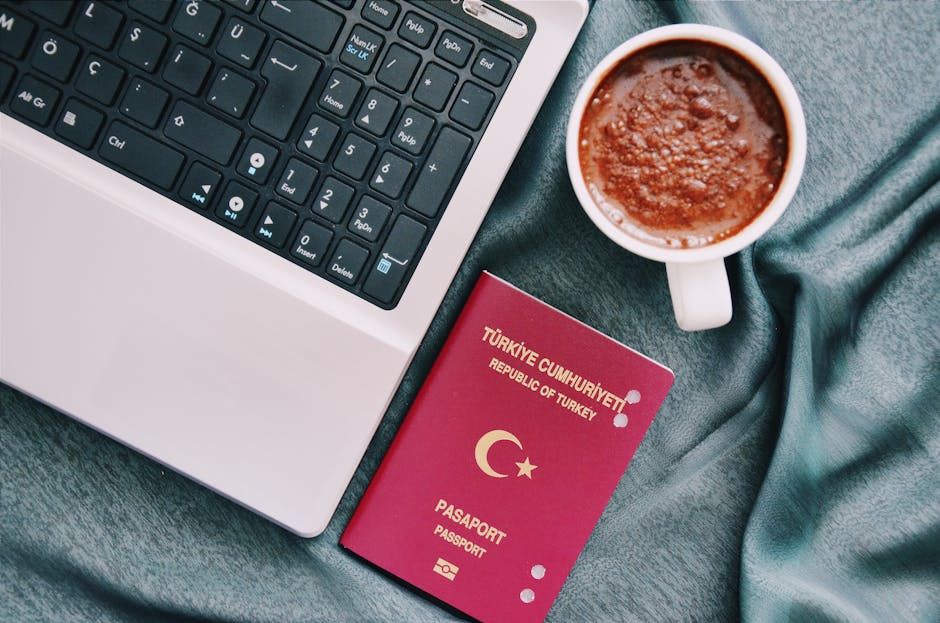
France has recognized dual citizenship since 1973, allowing its citizens to hold multiple nationalities without requiring renunciation. The French government imposes no restrictions or conditions on holding dual citizenship with Canada.
Recent changes in Pakistan's citizenship legislation allow Pakistani nationals to retain their citizenship upon acquiring Canadian citizenship. Under the Pakistan Citizenship (Amendment) Bill 2024, Pakistani citizens can hold dual citizenship with countries, including Canada. This new dual citizenship arrangement enables Pakistani nationals to maintain their original citizenship after naturalization or obtaining citizenship by descent in Canada.
Brazil recognizes dual citizenship, allowing Brazilian nationals to pursue Canadian citizenship without giving up their original citizenship. It is important to note that Brazilian citizens may face limitations in consular protection due to their dual nationality.

British citizens are permitted to hold dual citizenship with Canada. There is no requirement to renounce original citizenship when becoming a Canadian citizen. However, dual nationals cannot receive diplomatic assistance from the British government while in the other country where they hold citizenship.
As of June 27, 2024, German citizens can hold dual citizenship with Canada. Previously, German citizens would automatically lose their citizenship upon acquiring another nationality, with certain exceptions. These exceptions included individuals who obtained dual citizenship at birth, those naturalized in another EU-member state or Switzerland, and those who received official permission to retain their German citizenship before acquiring a foreign nationality.
Syrian citizens are not required to renounce their citizenship, as Syria allows its citizens to possess more than one nationality. However, dual citizens will always be considered and treated as Syrian citizens first regarding legal, administrative, or diplomatic matters.
Mexico permits dual and multiple citizenship, allowing Mexican nationals to maintain their citizenship alongside another country's citizenship without renouncing either. This policy has been in place since 1998, with no restrictions regarding the possession of more than one citizenship.

For those interested in becoming Canadian citizens, there are three primary pathways: citizenship by birth, naturalization, and citizenship by descent.
Any child born on Canadian soil automatically becomes a Canadian citizen, regardless of their parents' status. Exceptions include children born to foreign diplomats, consular officers, or staff of foreign governments with diplomatic immunity.
Permanent residents can apply for Canadian citizenship after living in Canada for at least 1,095 days (three years) within the previous five years. Applicants must file income taxes if required, have no serious criminal record, and intend to continue living in Canada. Individuals aged 18-54 must pass a citizenship test covering Canadian history, values, rights, and responsibilities, and demonstrate English or French language proficiency at CLB level 4 or higher. The citizenship ceremony is the final step in the naturalization process.
Bill C-3, effective December 15, 2025, created two different rules based on birth date. For those born abroad before December 15, 2025, the first-generation limit has been removed, allowing citizenship to flow through unlimited generations if lineage can be traced back to a Canadian-born or naturalized ancestor. For children born abroad on or after December 15, 2025, citizenship can still pass beyond the first generation. However, the Canadian parent born abroad must prove a substantial connection to Canada by demonstrating at least 1,095 days of physical presence in Canada before the child's birth.
Understanding these pathways and the specific requirements for each can help individuals navigate the process of becoming a Canadian citizen.
Dual citizenship offers individuals the unique opportunity to enjoy the benefits and rights associated with being part of more than one nation. For those seeking Canadian citizenship, understanding the policies of both Canada and their home country is essential. This article has explored the top source countries for new Canadian citizens in 2025 that permit dual citizenship, highlighting any restrictions or considerations. Additionally, the pathways to Canadian citizenship, including citizenship by birth, naturalization, and citizenship by descent, have been outlined to provide a comprehensive understanding of the options available.
While dual citizenship can offer many advantages, it is crucial to consider the legal and administrative implications it may have. By being well-informed and prepared, individuals can make the most of their dual citizenship journey and the opportunities it presents.
Average rating: 4.5 (0 votes)
Discover how new trends in Canada’s rental market can benefit you as a newcomer!
Read more
Discover the new funding requirements for the Atlantic Immigration Program!
Read more
Learn how Canada is helping applicants understand refusals better.
Read more
Wow, I never realized how many countries allow dual citizenship! I’m currently figuring out my options since I've got roots in Canada and Italy. This article is super helpful—it's nice to see the potential paths laid out so clearly!
Just wanted to say how much I appreciated the section on the benefits of holding dual citizenship in Canada. It really opened my eyes to how it can enhance personal and professional opportunities. Thanks for breaking it down so clearly!
Wow, this is super helpful! I had no idea Canada had such flexible options for dual citizenship. Excited to explore this further!
Super useful info! Thanks for sharing!
I never really thought about dual citizenship until I started looking into moving to Canada. It’s interesting to see how it can open up so many doors. This article gave me a lot to think about, like all the potential connections I could have!