Navigating Canadian Work Permits: Latest Updates and Opportu

Explore Canada's updated work permit rules and opportunities, including LMIA exemptions and faster processing.
Canadian immigration Work Permits International Graduates LMIA exemptions trade agreements

Canada's work permit landscape is evolving rapidly, reflecting the country's commitment to attracting global talent and addressing labor market needs. Understanding the latest updates and opportunities in Canadian work permits is crucial for prospective applicants. This article delves into recent changes, including LMIA exemptions, special permits for young professionals, and the impact of trade agreements on work permit eligibility.

Understanding LMIA-Exempt Work Permits

The Labor Market Impact Assessment (LMIA) is a key component in the Canadian work permit process. However, several categories now offer exemptions, making it easier for certain professionals to work in Canada. These exemptions are designed to facilitate reciprocal employment, where Canadian and international workers can benefit equally.

Recent Updates on Reciprocal Employment

The Immigration, Refugees, and Citizenship Canada (IRCC) recently updated rules for LMIA-exempt work permits under reciprocal employment agreements. This change aims to streamline the process for foreign workers whose countries have similar agreements with Canada, fostering international cooperation and cultural exchange.

canada immigration office
Photo by David Kanigan on Pexels

For instance, young professionals from countries with bilateral agreements can access Canadian work permits more easily. This initiative not only enhances cultural ties but also provides an avenue for youth to gain valuable work experience in a foreign setting.

Opportunities for International Graduates

Canada remains a popular destination for international students, and post-graduation work permits (PGWPs) are a vital part of this appeal. These permits allow graduates to gain Canadian work experience, which is often crucial for permanent residency applications.

Key Considerations for PGWP Applicants

Applicants often overlook important factors when applying for PGWPs. For instance, the timeline for application submission is critical; graduates must apply within 180 days of receiving their final marks. Additionally, understanding the specific requirements of their educational institution and the program's eligibility is essential to avoid common pitfalls.

Implications of Trade Agreements on Work Permits

Trade agreements play a significant role in shaping work permit policies. With the North American trade agreement under review, there is a push to expand the list of professionals eligible for special work permits. This expansion could greatly benefit workers from diverse sectors, enhancing job mobility across borders.

Potential Changes and Their Impact

As Canada engages in free trade negotiations with countries like India, Thailand, and Mercosur countries, we might see more inclusive policies that accommodate a broader range of professions. These changes could pave the way for faster processing times and reduced bureaucratic hurdles.

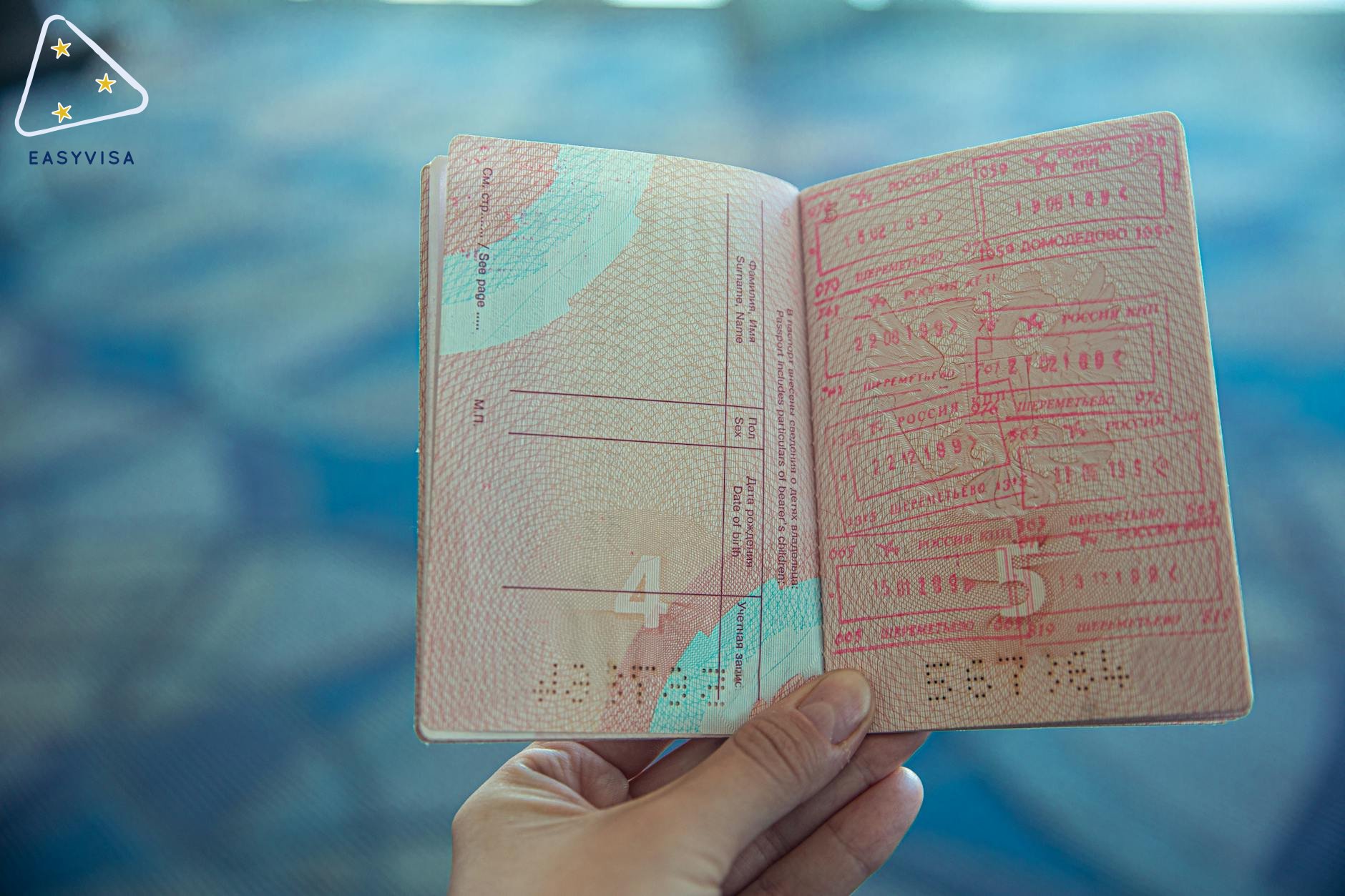
passport documents
Photo by Borys Zaitsev on Pexels

Such developments are crucial for sectors experiencing labor shortages, as they provide a streamlined path for skilled workers to contribute to the Canadian economy.

Conclusion

In conclusion, navigating the Canadian work permit system requires staying informed about current policies and potential changes. Whether it's understanding LMIA exemptions or the implications of international trade agreements, being up-to-date with the latest developments can significantly enhance an applicant's chances of success. Canada's approach to work permits is continually evolving, reflecting both domestic labor needs and international cooperation. As policies adapt to global trends, prospective immigrants must remain vigilant and proactive in their application strategies.

airport terminal
Photo by Angelyn Sanjorjo on Pexels

Ultimately, Canada's diverse and dynamic work permit landscape offers numerous opportunities for international workers, making it a vital destination for those seeking to expand their career horizons.

Comments (2)

M
Maya
2026-02-26 12:02

Wow, this is super helpful! Can't wait to dive into these updates and see how I can make this work for me. Let's do this!

D
David Kim
2026-02-26 12:02

So timely, thanks a bunch!

Leave a Comment

Frequently Asked Questions

The Labor Market Impact Assessment (LMIA) is a document required by Employment and Social Development Canada (ESDC) to assess the impact of hiring a foreign worker on the Canadian labor market. It ensures that the employment of a foreign worker will not negatively affect job opportunities for Canadians. Obtaining a positive LMIA is often a prerequisite for many work permits, as it demonstrates that no qualified Canadian citizen or permanent resident is available to fill the position in question. However, recent updates have introduced various LMIA exemptions, allowing certain categories of workers to apply for permits without this assessment. This change aims to facilitate easier access for skilled professionals while ensuring that the needs of the Canadian labor market are met.
LMIA-exempt work permits are available to specific groups of individuals based on various criteria. These include international agreements like the North American Free Trade Agreement (NAFTA) and the Canada-United States-Mexico Agreement (CUSMA), which allow for reciprocal employment opportunities. Additionally, young professionals participating in programs like the International Experience Canada (IEC) can also qualify. Other categories may include intra-company transferees, researchers, and certain work permits for spouses or partners of Canadian citizens. By understanding these exemptions, prospective applicants can streamline their application process and potentially avoid the lengthy and often complex LMIA approval procedures.
The Immigration, Refugees, and Citizenship Canada (IRCC) has recently updated its policies regarding reciprocal employment, which impacts LMIA-exempt work permits. These updates are designed to enhance the opportunities for Canadian workers to gain international experience while also allowing foreign workers to contribute their skills to the Canadian economy. For instance, the changes may include expanded eligibility criteria for certain professions and simplified application processes under existing trade agreements. These updates emphasize Canada's commitment to creating a balanced exchange of talent between Canada and other countries, ensuring that both Canadian and international workers can benefit from employment opportunities.
Applying for a Canadian work permit involves several steps, beginning with determining the type of permit you require based on your situation. If your job requires an LMIA, your employer must obtain this assessment before you can apply. If you qualify for an LMIA-exempt permit, you can proceed with your application directly. The application process typically includes filling out the appropriate forms, providing necessary documentation such as job offers and proof of qualifications, and paying the application fee. It's crucial to ensure that all information is accurate and complete to avoid delays. Once submitted, applications are processed by the IRCC, and you may be required to attend an interview or provide biometrics. Keeping track of application timelines and being aware of any updates in immigration policies can enhance your chances of a successful application.
Trade agreements, such as the Canada-United States-Mexico Agreement (CUSMA) and previous agreements like NAFTA, significantly influence work permit eligibility by outlining specific provisions for professionals and skilled workers. These agreements typically allow for easier access to work permits for certain occupations, enabling professionals from member countries to work in Canada without the need for an LMIA. For example, CUSMA has expanded the list of eligible professions and streamlined application processes, making it more efficient for businesses to hire talent from partner countries. Understanding these provisions can help applicants identify if they qualify for expedited processing or LMIA exemptions based on their professional background, thereby enhancing their chances of securing a work permit more effectively.

Rate this article

Average rating: 4.5 (0 votes)

Related Articles