Navigating Canada's Work Permit Landscape: Key Updates and I

Explore Canada's work permit updates, new pathways, and significant changes affecting international workers.
Canada immigration Work Permits International Workers

Canada has long been a sought-after destination for international workers, offering diverse opportunities across various sectors. However, understanding the intricacies of obtaining a Canadian work permit can be daunting due to frequent policy updates and changes. This comprehensive guide aims to unravel the latest developments in Canada's work permit landscape, providing insights into new pathways, updated rules, and significant changes that prospective applicants should be aware of.

Recent Changes in Work Permit Rules

Canada has introduced several pivotal changes to its work permit policies to streamline and facilitate the entry of international workers. One of the most notable updates is the new facilitated work permit pathways for Taiwanese and Portuguese youths, which are part of bilateral agreements aimed at enhancing cultural and professional exchange. These pathways allow eligible individuals to work in Canada without undergoing the lengthy Labor Market Impact Assessment (LMIA) process.

In addition, Canada has tightened the rules for work permits issued under the 'significant benefit' LMIA exemption. The new rules aim to ensure that only applicants who can demonstrate a substantial benefit to the Canadian economy or culture are granted work permits under this exemption.

canada immigration office
Photo by Alesia Kozik on Pexels

LMIA Processing Time Updates

The LMIA processing times have seen a significant increase, causing delays for employers and applicants. This change has prompted Immigration, Refugees and Citizenship Canada (IRCC) to prioritize applications in certain high-demand occupations to expedite the process. The Quebec government has also updated its list of professions eligible for expedited LMIA processing, reflecting the province's current labor market needs.

LMIA-Exempt Work Permits: New Developments

For individuals seeking LMIA-exempt work permits, there have been noteworthy updates. The IRCC has clarified rules for work permits under the Reciprocal Employment category, which facilitates the entry of workers involved in reciprocal employment agreements. This includes foreign nationals participating in international exchange programs or working temporarily in Canada as part of a larger agreement between countries.

Furthermore, the popular International Experience Canada (IEC) program has extended its policy, allowing participants to obtain subsequent permits from within Canada. This extension provides greater flexibility for young professionals looking to gain work experience in Canada and potentially transition to permanent residency.

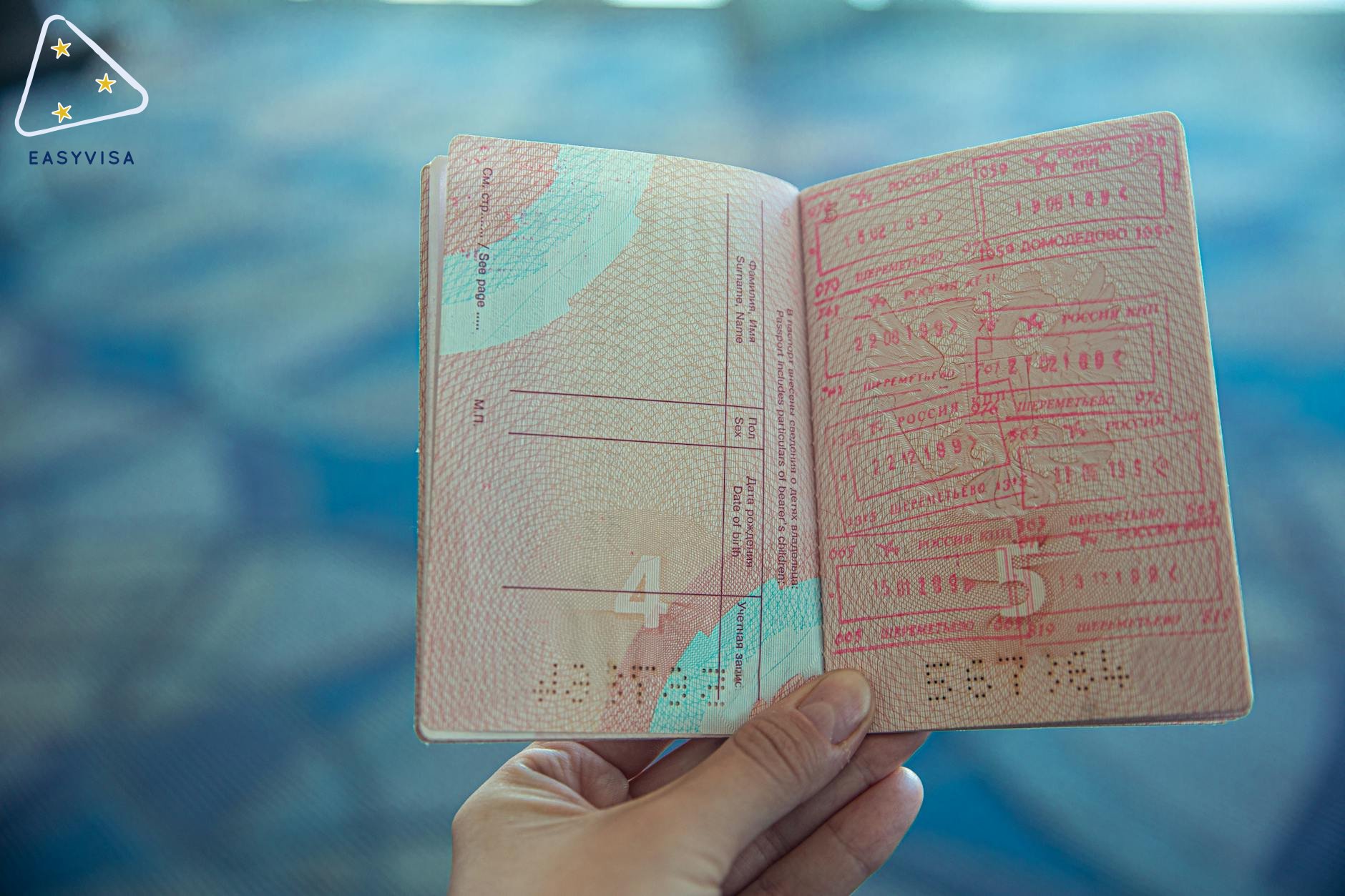
passport documents
Photo by Gül Işık on Pexels

Important Considerations for Applicants

Prospective applicants should be aware of common pitfalls that could lead to premature work permit expiry. One frequent mistake is failing to maintain valid status while awaiting a decision on a new application. Staying informed about policy changes and adhering to application guidelines is crucial for avoiding disruptions in employment authorization.

Conclusion: Preparing for Success

Canada's dynamic work permit landscape presents both opportunities and challenges for international workers. By staying informed about the latest policy updates and understanding the various pathways available, applicants can better navigate the complexities of the Canadian immigration system. Whether through facilitated pathways for specific nationalities or LMIA-exempt permits for reciprocal employment, Canada continues to offer numerous avenues for skilled workers to contribute to its economy. Prospective applicants are encouraged to consult with immigration experts and utilize available resources to enhance their chances of success in securing a work permit in Canada.

In summary, while the process of obtaining a work permit in Canada may seem intricate, the country's commitment to welcoming international talent remains strong. By staying updated and prepared, individuals can seize the opportunity to build a successful career in Canada.

airport terminal
Photo by Angelyn Sanjorjo on Pexels

Comments (4)

E
Emma Rodriguez
2026-03-21 16:00

Wow, this info is super helpful! I feel way more equipped to tackle the work permit process now. Let’s do this!

J
James Wilson
2026-03-21 16:00

Super useful, thanks a ton!

D
David Kim
2026-03-21 16:00

Wow, this really breaks it down! I'm feeling confident about my next steps now. Can't wait to start this journey!

L
Lisa Patel
2026-03-21 16:00

Wow, this post is super insightful! I'm currently in the process of applying for a work permit and it feels like a maze sometimes. I really appreciate the breakdown of the recent updates; it makes things a bit clearer for someone like me who's trying to make sense of it all.

Leave a Comment

Frequently Asked Questions

Canada has recently introduced facilitated work permit pathways specifically for youths from Taiwan and Portugal. These pathways are part of bilateral agreements aimed at promoting cultural and professional exchanges. Eligible individuals can apply to work in Canada without the need for a Labor Market Impact Assessment (LMIA), which traditionally adds a layer of complexity and delay to the work permit process. This initiative is designed to attract skilled youth, enhance workforce diversity, and strengthen international ties. To qualify, applicants typically need to meet specific age requirements, have a valid job offer from a Canadian employer, and demonstrate their ability to support themselves financially during their stay. This streamlined approach not only simplifies the application process but also opens up new opportunities for young professionals seeking international experience in Canada.
The Labor Market Impact Assessment (LMIA) process has undergone several key updates aimed at expediting the hiring of international workers. One significant change is the introduction of new exemptions for certain categories of applicants, which reduces the bureaucratic burden on employers looking to hire foreign talent. As part of recent reforms, Canada is focusing on sectors facing severe labor shortages, allowing for quicker approvals of LMIA applications. This means that employers may no longer need to prove that no Canadian citizens or permanent residents are available to fill the position in specific in-demand occupations. Additionally, the government is working to streamline application processing times and improve communication between employers and immigration authorities. These changes are designed to make it easier for employers to access the global talent pool while ensuring that Canadian workers' interests are still protected.
Determining your eligibility for a Canadian work permit involves several factors, including your nationality, the type of job offer you have, and your specific skills and qualifications. Generally, you must have a valid job offer from a Canadian employer and meet the requirements outlined by Immigration, Refugees and Citizenship Canada (IRCC). Depending on the stream you apply under, you may need to provide proof of your educational qualifications, work experience, and language proficiency. Certain categories, such as the International Experience Canada (IEC) program, have age and nationality restrictions, while others may require specific skills in high-demand professions. A crucial step in the process is to review the official IRCC website or consult with an immigration consultant for tailored advice based on your circumstances. This will help you navigate the various options available and ensure you meet the necessary criteria for a work permit.
When applying for a Canadian work permit, you will need to gather several important documents to support your application. The primary document is a valid job offer from a Canadian employer, often accompanied by a copy of the employer's LMIA, if applicable. Additionally, you will need to provide proof of your identity, such as a passport, and any necessary documents pertaining to your qualifications, including diplomas, degrees, or certificates relevant to your job. Language proficiency test results (like IELTS or CELPIP) may also be required to demonstrate your ability to communicate effectively in English or French, depending on your job. It's essential to include a completed application form and the appropriate processing fee. Furthermore, if you are applying under specific programs like the IEC or under a bilateral agreement, additional documents may be required. Always refer to the IRCC website for the most current checklist tailored to your specific application category.
The processing time for a Canadian work permit application can vary significantly based on several factors, including the type of work permit you are applying for, your country of origin, and the completeness of your application. Generally, you can expect processing times to range from a few weeks to several months. For example, applications under the International Experience Canada (IEC) program may be processed faster due to streamlined procedures, while other work permits that require an LMIA may take longer due to additional steps involved. Factors such as the volume of applications received and the specific circumstances of your case can also affect timing. To get the most accurate estimate of processing times, it's advisable to check the IRCC website, where they provide updated processing times for various application types. Additionally, ensuring that your application is complete and includes all required documents can help prevent delays in processing.

Rate this article

Average rating: 4.5 (0 votes)

Related Articles