Understanding Canadian Dual Citizenship and Recent Legislati

Explore dual citizenship with Canada, recent legal changes, and their impact on eligibility and application processes.
Canadian immigration dual citizenship citizenship legislation

In recent years, the concept of dual citizenship has gained significant attention worldwide, with many individuals seeking the benefits it offers. Canada, known for its inclusive and multicultural policies, allows dual citizenship, enabling Canadians to hold citizenship status in another country simultaneously. This article delves into the intricacies of dual citizenship in Canada, examining recent legislative changes that impact eligibility and application processes.

Overview of Canadian Dual Citizenship

Canada has long been a proponent of dual citizenship, allowing individuals to retain or acquire citizenship in another nation without losing their Canadian status. This policy reflects Canada's commitment to multiculturalism and provides its citizens with the flexibility to live, work, and travel internationally with ease. Dual citizenship can offer several advantages, such as expanded travel rights, access to social services in more than one country, and increased employment opportunities.

Benefits and Responsibilities

While dual citizenship offers numerous benefits, it also comes with specific responsibilities. Dual citizens must adhere to the laws and obligations of both countries, which can sometimes lead to complex legal scenarios. For instance, tax obligations and military service requirements may vary significantly between nations. Thus, it is crucial for dual citizens to remain informed about the legal implications in both countries of citizenship.

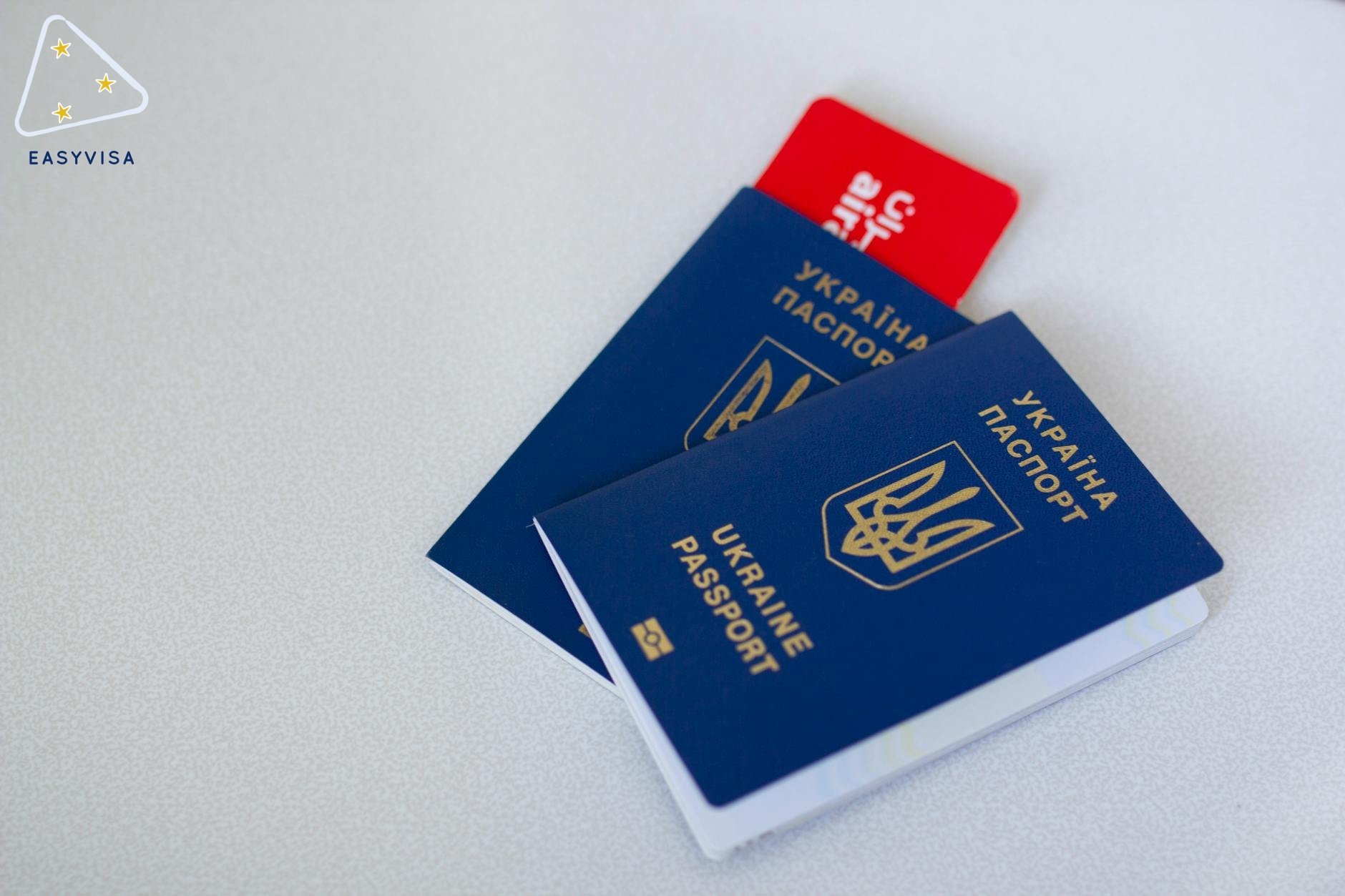
passport documents
Photo by Borys Zaitsev on Pexels

Recent Legislative Changes and Their Implications

In response to the growing global demand for second citizenships, Canada has recently introduced legislative changes aimed at streamlining the citizenship acquisition process. Bill C-3, which took effect earlier this year, provides a clearer pathway to Canadian citizenship for a larger pool of applicants. This new law is particularly beneficial for those with Canadian ancestry or those who have lived in Canada for a significant period.

Impact on Eligibility

The legislative amendments have widened the eligibility criteria, making it easier for individuals to qualify for Canadian citizenship. For example, individuals born outside Canada but with Canadian grandparents may now have a more straightforward path to citizenship under the new regulations. This expansion of eligibility is expected to increase the number of applicants seeking dual citizenship with Canada, thereby enhancing the country's cultural diversity.

canada immigration office
Photo by David Kanigan on Pexels

Application Process for Dual Citizenship

The process of applying for dual citizenship in Canada involves several key steps, beginning with a thorough understanding of the eligibility requirements. Applicants must gather all necessary documentation, including proof of residency, language proficiency, and knowledge of Canada. The application process has been simplified under the new law, with a focus on reducing processing times and enhancing applicant experience.

Required Documentation

Applicants are required to provide comprehensive documentation to support their application. This includes a valid passport, proof of residency, and any documents demonstrating Canadian ancestry if applicable. It is imperative to ensure that all documents are up-to-date and accurately reflect the applicant's current status and history.

Document TypePurpose
PassportIdentity Verification
Proof of ResidencyEligibility Confirmation
Language Test ResultsLanguage Proficiency
Heritage DocumentsCanadian Ancestry Proof
airport terminal
Photo by Angelyn Sanjorjo on Pexels

In conclusion, understanding the nuances of Canadian dual citizenship and staying informed about legislative changes is crucial for those considering this pathway. The recent amendments to Canadian citizenship laws have made it more accessible for a broader range of individuals, reflecting Canada's commitment to diversity and inclusion. As the global landscape continues to evolve, Canada's approach to dual citizenship remains a beacon of flexibility and opportunity for many worldwide.

Comments (3)

K
Kevin Brown
2026-02-19 16:02

I really found the explanation of the citizenship application process in the section about recent legislation super helpful. It’s nice to see all the nuances laid out so clearly, especially the part about the implications for those who hold dual citizenship. Thanks for breaking it down!

M
Maria Garcia
2026-02-19 16:02

I found the part about the residency requirements for maintaining dual citizenship super helpful! It cleared up a lot of questions I had about how long I can be away from Canada without losing my status. Thanks for breaking that down!

M
Maya
2026-02-19 16:02

Wow, this is such a game-changer! I had no idea about all the perks of dual citizenship in Canada. Feeling pumped to explore my options!

Leave a Comment

Frequently Asked Questions

Canadian dual citizenship offers numerous benefits, making it an attractive option for many individuals. Firstly, it allows citizens to enjoy the rights and privileges of being a Canadian while also retaining their citizenship in another country. This dual status provides expanded travel opportunities, as dual citizens can move freely between their two countries without the need for visas. Additionally, dual citizenship enables individuals to access social services in both nations, such as healthcare and education, which can be particularly advantageous for families. Employment opportunities also widen, as dual citizens can work in both countries without needing special permits. Moreover, dual citizenship can enhance personal and professional networks, providing a richer cultural experience and broader perspectives. It reflects Canada’s commitment to multiculturalism, allowing individuals to maintain their heritage while fully participating in Canadian society.
Recent legislative changes in Canada have had a significant impact on dual citizenship and its application processes. One of the key developments is the removal of restrictions that previously allowed the government to revoke citizenship from dual citizens in certain circumstances, such as criminal activity. This change enhances the security and stability of dual citizenship status, ensuring that individuals cannot easily lose their Canadian citizenship due to actions taken in another country. Additionally, the government has streamlined the application process, making it more accessible for those seeking to acquire or maintain dual citizenship. This includes simplified requirements and reduced processing times, encouraging more individuals to explore the benefits of holding citizenship in Canada and another nation. It is important for applicants to stay informed about these changes, as they can affect eligibility criteria and the overall experience of applying for dual citizenship.
In Canada, acquiring citizenship in another country does not automatically result in the loss of Canadian citizenship. Canada allows dual citizenship, meaning that individuals can hold citizenship in Canada and another nation simultaneously without jeopardizing their Canadian status. However, it is essential to be aware of the citizenship laws of the other country involved, as some nations may have restrictions that could lead to the loss of Canadian citizenship if certain conditions are met. For instance, if a person voluntarily renounces their Canadian citizenship or if they are involved in actions that trigger loss of citizenship under Canadian law, such as serious criminal activity, they may be at risk. Therefore, it is crucial for dual citizens to understand the implications of their status and to keep abreast of any changes in immigration laws in both countries to maintain their rights and privileges as Canadian citizens.
The application process for dual citizenship in Canada generally involves several key steps, starting with verifying eligibility. Individuals must ensure they meet the requirements for Canadian citizenship, which typically include being a permanent resident, having lived in Canada for a specified period, and demonstrating knowledge of Canadian history and values. Once eligibility is confirmed, applicants can fill out the required forms and submit their application to Immigration, Refugees and Citizenship Canada (IRCC) along with the necessary documents, such as proof of identity and residency. It is advisable to include any documentation that supports claims of citizenship in another country, as this may aid in the application process. After submission, applicants may have to attend an interview or take a citizenship test. The processing time can vary, so it’s important to check current timelines on the IRCC website. Finally, once approved, individuals will receive a citizenship certificate, and they can then explore their rights and responsibilities as dual citizens.
While Canada is supportive of dual citizenship, there are certain restrictions and considerations to keep in mind. Firstly, Canadian law does not require individuals to choose between their Canadian citizenship and that of another country; however, some countries have specific regulations regarding dual citizenship. For example, certain nations may require individuals to renounce their original citizenship upon acquiring a new one. Furthermore, Canadian citizens who are also dual citizens must ensure compliance with both countries’ laws, as failing to do so could result in complications, such as loss of citizenship. Additionally, individuals involved in serious criminal activities or those who obtain citizenship through misrepresentation may face revocation of their Canadian citizenship. It is also important to note that dual citizens may have tax obligations in both countries, so consulting with a legal or tax professional can provide clarity on potential liabilities. Overall, understanding these restrictions is crucial for maintaining dual citizenship and enjoying its benefits.

Rate this article

Average rating: 4.5 (0 votes)

Related Articles