Navigating the Canadian Work Permit Landscape: Key Updates a

Explore recent changes to Canadian work permits, including LMIA exemptions and faster processing for skilled workers.
Skilled Workers Canada work permits LMIA exemptions

The Canadian work permit system is a dynamic landscape, continually evolving to meet the needs of both the country's economy and its diverse workforce. As Canada prioritizes attracting global talent, understanding the nuances of work permit regulations becomes critical for prospective applicants and employers alike.

Recent Changes in LMIA-Exempt Work Permits

Canada has introduced significant modifications to its Labor Market Impact Assessment (LMIA)-exempt work permits, aimed at streamlining processes and increasing accessibility. These changes are particularly beneficial for workers whose occupations fall under specific trade agreements or international mobility programs.

Eligibility Criteria for LMIA-Exempt Permits

To qualify for an LMIA-exempt work permit, applicants must meet specific criteria, such as having a job offer under an international agreement like CETA or being part of an intra-company transfer. These exemptions are designed to facilitate the entry of skilled workers who can contribute to Canada's economic growth.

The emphasis is on reducing administrative barriers, thereby enabling faster and more efficient processing of work permits. This shift is expected to benefit sectors facing labor shortages, such as technology and healthcare.

canada immigration office
Photo by Claudia Solano on Pexels

Expedited Processing for Skilled Workers

In a bid to attract highly skilled workers, Canada is prioritizing certain occupations for quicker work permit processing. This initiative aligns with the country's broader immigration strategy of drawing talent in key industries to bolster its competitive edge on the global stage.

Targeted Occupations for Faster Processing

The expedited processing predominantly targets occupations in technology, engineering, and healthcare. These sectors are pivotal to Canada's innovation and public service delivery, and attracting qualified professionals remains a top priority.

Applicants in these fields can anticipate a streamlined application process, with decisions often made within weeks, thus minimizing disruptions and facilitating smoother transitions for new entrants.

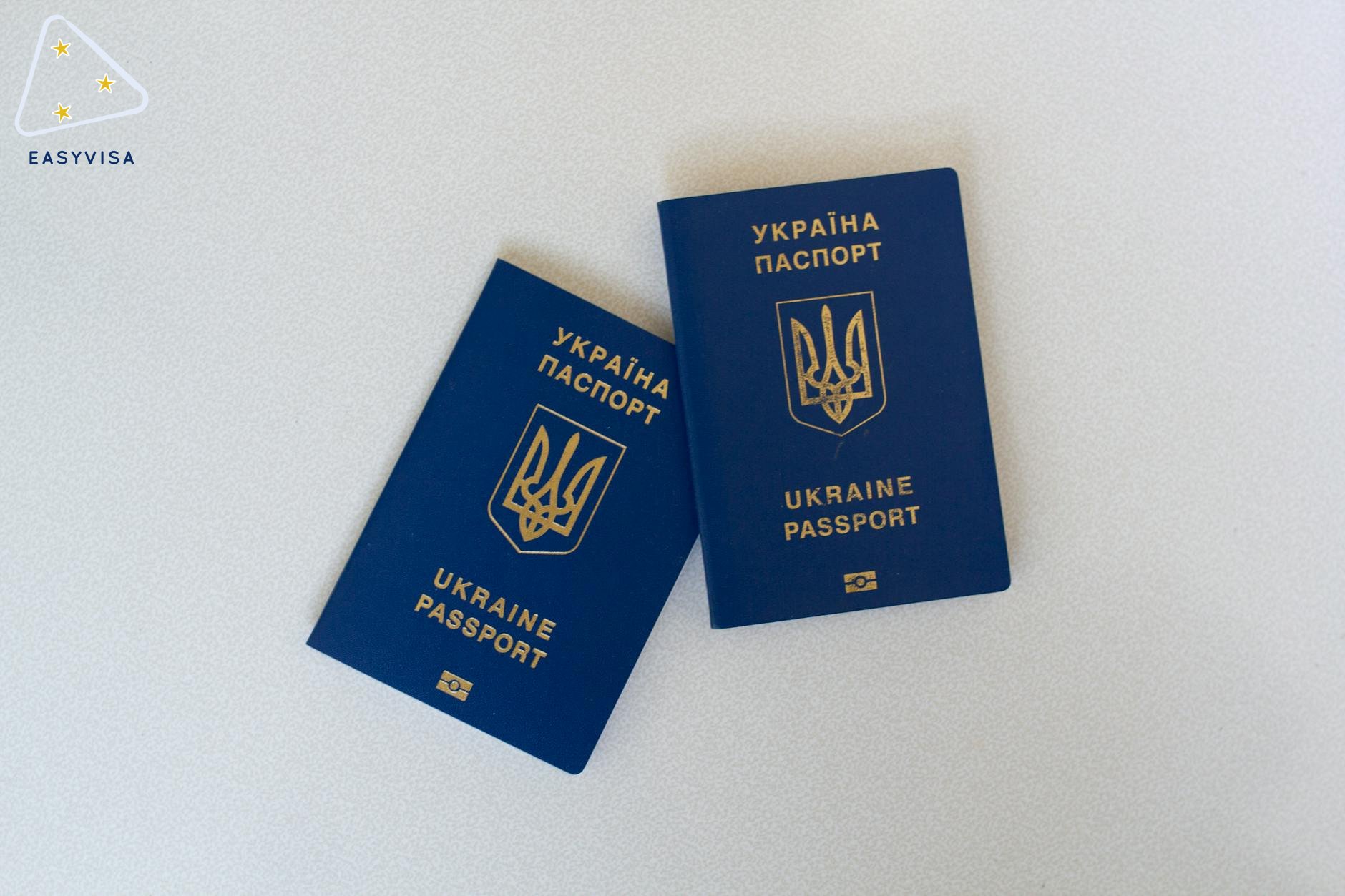
passport documents
Photo by Gül Işık on Pexels

The Impact of Trade Negotiations on Work Permits

Canada's ongoing trade negotiations with countries like India, Thailand, and the Mercosur bloc are poised to influence the future of work permits. These discussions aim to create more flexible labor mobility agreements, potentially leading to new pathways for workers from these regions.

Potential Outcomes of Trade Talks

While the negotiations are still in progress, anticipated outcomes include the introduction of work permits aligned with trade agreements, offering mutually beneficial terms for Canadian employers and foreign professionals.

Such developments could pave the way for increased collaboration and talent exchange, further enriching Canada's labor market with diverse skill sets.

airport terminal
Photo by Vincent Albos on Pexels

Conclusion: Preparing for Future Opportunities

Staying informed about the latest changes in Canada's work permit policies is essential for both applicants and employers. As the country continues to adapt its immigration strategies to meet economic demands, those looking to work in Canada must be proactive in understanding the evolving requirements and opportunities.

By leveraging new regulations and expedited processing options, skilled workers can enhance their prospects of contributing to Canada's growth while enriching their professional journeys. Employers, on the other hand, can more effectively address labor gaps by utilizing these streamlined pathways.

As Canada remains a sought-after destination for international talent, keeping abreast of policy shifts and trade negotiations will be crucial in navigating the work permit landscape and seizing emerging opportunities.

Comments (5)

D
David Kim
2026-02-06 15:02

I found your breakdown of the new eligibility criteria super helpful! It cleared up a lot of confusion I had about the application process. Thanks for making it so straightforward!

J
James Wilson
2026-02-06 15:01

Hey, I really liked the part where you explained the different types of work permits available. It helped clarify which one might suit my situation best. Thanks for breaking it down!

C
Chris Taylor
2026-02-06 15:01

I really enjoyed the breakdown of the different work permit categories! It helped me understand the options available for skilled workers. Appreciate you taking the time to explain the eligibility requirements so clearly!

M
Maria Garcia
2026-02-06 15:01

So useful, thanks a ton!

R
Ryan
2026-02-06 15:01

Super insightful, thanks for sharing!

Leave a Comment

Frequently Asked Questions

An LMIA-exempt work permit allows foreign workers to work in Canada without needing a Labor Market Impact Assessment (LMIA). This is a document that employers typically need to obtain to prove that no Canadian citizen or permanent resident is available to fill the job position. The exemption applies to various categories, such as workers covered under international agreements like the Comprehensive Economic and Trade Agreement (CETA) or those transferring within a company. LMIA-exempt work permits facilitate the entry of skilled labor into Canada, making it easier for businesses to hire international talent. It is crucial for applicants to ensure they meet the specific eligibility criteria laid out by Immigration, Refugees and Citizenship Canada (IRCC) to take advantage of this streamlined process.
To qualify for an LMIA-exempt work permit, applicants must fulfill specific criteria set by Canadian immigration authorities. Common pathways include having a job offer under an international agreement, such as CETA or the North American Free Trade Agreement (NAFTA), or being part of an intra-company transfer. Additionally, individuals may qualify if they are applying for a work permit as part of an international mobility program or if they are involved in significant cultural or athletic events. Each category has its own requirements, so it's essential for applicants to carefully review the conditions applicable to their situation. Furthermore, having a valid job offer from a Canadian employer is generally a prerequisite. Consulting with an immigration expert can provide personalized guidance to ensure compliance with all regulations.
Recent changes to LMIA-exempt work permits in Canada aim to make the process more accessible and efficient for both employers and prospective workers. These modifications include streamlining application procedures and expanding eligibility criteria for certain categories of workers. For instance, the government has focused on enhancing pathways for skilled professionals under international trade agreements and international mobility programs. Additionally, there have been efforts to reduce paperwork and processing times, allowing employers to bring in foreign talent more swiftly. These changes reflect Canada’s commitment to attracting global skills and addressing labor shortages across various sectors. Staying up-to-date with these developments is crucial for applicants and employers alike, as regulations may continue to evolve.
In the LMIA-exempt work permit process, the employer plays a vital role in ensuring compliance with Canadian immigration regulations. While they do not need to obtain an LMIA, employers must still provide a valid job offer that meets the requirements for the specific LMIA-exempt category under which the worker is applying. This includes ensuring that the job offer aligns with the worker's qualifications and that the position is legitimate. Employers are also responsible for ensuring that they understand their obligations under the Temporary Foreign Worker Program and must comply with all applicable labor laws and regulations. Additionally, they may need to provide supporting documentation to demonstrate the need for foreign workers in their business. It’s beneficial for employers to consult with immigration professionals to navigate the complexities of hiring foreign talent successfully.
Yes, you can apply for an LMIA-exempt work permit from outside Canada. Many categories of LMIA-exempt work permits allow foreign nationals to submit their applications while residing in their home country or another nation. It is essential to ensure that you meet all eligibility criteria for the specific LMIA exemption under which you are applying. Additionally, applicants must have a valid job offer from a Canadian employer to proceed with their application. The application process typically involves submitting required documents, including the job offer letter, proof of qualifications, and identity documents, via the Immigration, Refugees and Citizenship Canada (IRCC) online portal or through a paper application, depending on the specific circumstances. Keep in mind that processing times may vary, so it's advisable to apply well in advance of any planned travel to Canada.

Rate this article

Average rating: 4.5 (0 votes)

Related Articles