Navigating Canada's Immigration Updates: Key Insights and Pa

Explore Canada's latest immigration updates, new pathways, and strategies to maximize your chances for permanent residence.
Permanent Residence Express Entry Canada immigration

Canada remains a top destination for immigrants seeking a new life filled with opportunity and diversity. With a welcoming immigration policy, Canada continues to introduce new pathways and updates to its immigration system, aiming to attract skilled workers, students, and professionals worldwide. This article delves into the latest updates, pathways, and strategies to help prospective immigrants make informed decisions.

Understanding Canada's Latest Immigration Updates

In recent months, Canada has implemented several changes to its immigration policies, reflecting its commitment to economic growth and cultural diversity. These changes aim to streamline processes and provide more opportunities for immigrants to contribute to Canadian society.

New Express Entry Categories and Measures

The Express Entry system, a popular pathway for skilled workers, has seen new categories introduced by the Immigration, Refugees and Citizenship Canada (IRCC). These categories are designed to target specific skills and professions that are in high demand within the country. By doing so, Canada hopes to fill gaps in the labor market and ensure that economic needs are met efficiently.

Increased Focus on French Language Proficiency

Canada has also emphasized the importance of French language proficiency, particularly for those seeking permanent residence through certain pathways. Achieving a NCLC level 5 in French can significantly enhance an applicant's chances, especially for programs that prioritize bilingual applicants.

canada immigration office
Photo by Claudia Solano on Pexels

New Pathways to Permanent Residence

Canada is continuously innovating its immigration strategies to attract top talent from around the world. The introduction of new permanent residence pathways is a testament to this effort, catering to various skilled individuals, from researchers to healthcare professionals.

Permanent Residence for Researchers and Academics

The Canadian government has launched new streams specifically targeting research talent. These streams aim to retain highly qualified researchers and academics who can contribute significantly to Canada's innovation and knowledge base.

Opportunities for Healthcare Professionals

With a growing demand for healthcare professionals, Canada has introduced measures to facilitate the immigration process for doctors and nurses. These measures include expedited processing times and increased allocations in certain provinces.

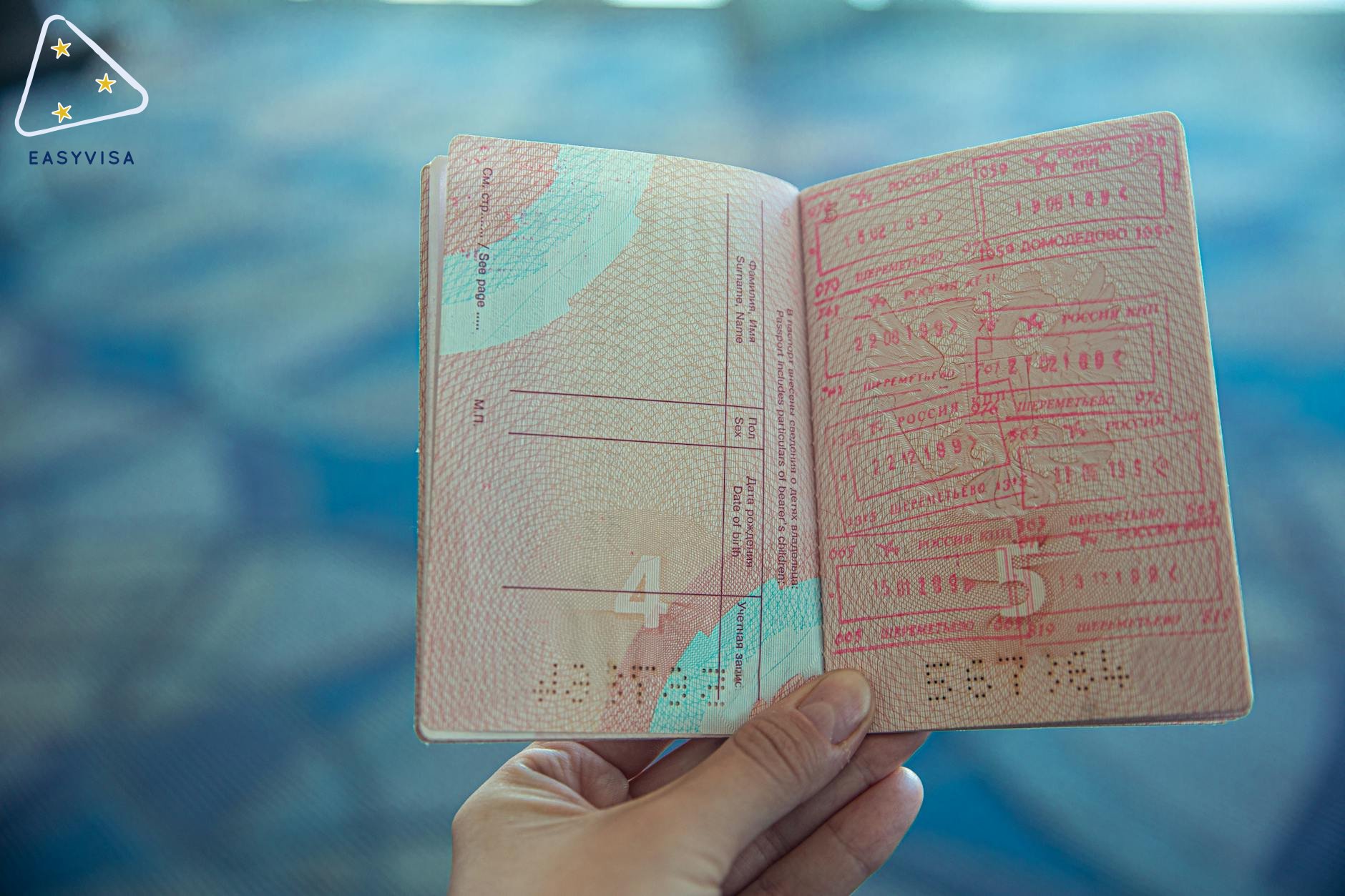
passport documents
Photo by Gül Işık on Pexels

Maximizing Your Chances for a Successful Application

For prospective immigrants, understanding the nuances of Canada's immigration system is crucial. By keeping abreast of the latest updates and preparing the necessary documentation, applicants can significantly improve their chances of a successful application.

Essential Documentation for Application

Having the right documents ready is a critical step in the application process. This includes proof of language proficiency, educational credentials, and relevant work experience. Ensuring these documents are complete and up-to-date is vital.

Staying Informed and Accessing Resources

Staying informed about policy changes and accessing available resources can provide a competitive edge. Engaging with immigration consultants or attending informational webinars can offer valuable insights and guidance.

airport terminal
Photo by Vincent Albos on Pexels

Conclusion: Embracing Opportunities in Canada's Immigration Landscape

As Canada continues to evolve its immigration policies, the opportunities for aspiring immigrants are vast and varied. Whether through the Express Entry system or new permanent residence pathways, understanding the requirements and staying updated on changes are key to a successful immigration journey. By leveraging Canada's welcoming policies and preparing adequately, immigrants can look forward to contributing to and thriving in a diverse and prosperous society. With the right approach and preparation, the dream of living in Canada is within reach for many.

Comments (3)

D
David Kim
2025-12-14 12:01

Just what I was looking for!

L
Lisa Patel
2025-12-14 12:01

Wow, this really sheds light on everything! I’m feeling so motivated to take the next steps in my journey. Let's do this!

M
Maya
2025-12-14 12:01

Super useful, thanks for sharing!

Leave a Comment

Frequently Asked Questions

Canada has recently introduced several updates to its immigration policies aimed at enhancing its appeal as a destination for skilled workers and professionals. One significant update includes the introduction of new categories within the Express Entry system, which targets specific occupations and skill sets needed in the Canadian labor market. These changes are designed to streamline the application process, making it more efficient for applicants and allowing Canada to fill critical labor shortages. Additionally, the government continues to focus on family reunification and pathways for international students, recognizing their contributions to the economy and society. Overall, these updates reflect Canada's commitment to economic growth, cultural diversity, and the integration of newcomers into the community.
To qualify for Canada's Express Entry system, applicants must meet specific eligibility criteria depending on the program they apply for: Federal Skilled Worker Program, Federal Skilled Trades Program, or Canadian Experience Class. Generally, applicants need to demonstrate a certain level of work experience, language proficiency in English or French, and education credentials. The comprehensive ranking system (CRS) assigns points based on factors like age, education, work experience, and language skills. To improve chances of receiving an invitation to apply (ITA), candidates can enhance their profiles by obtaining a job offer from a Canadian employer, securing a provincial nomination, or increasing their language test scores. Regularly monitoring the Express Entry draws and staying informed about any changes in the criteria is crucial for prospective immigrants.
Canada has launched several new pathways for international students to transition to permanent residency after completing their studies. One prominent option is the Post-Graduation Work Permit (PGWP), which allows graduates to work in Canada for up to three years, depending on the length of their academic program. This work experience can then be used to apply for permanent residency through the Express Entry system or provincial nominee programs. Additionally, certain provinces have introduced specific immigration streams targeting international graduates, making it easier for them to settle in areas where their skills are needed. These pathways not only benefit students but also help Canada address labor shortages while fostering a diverse and skilled workforce.
Staying updated on Canadian immigration changes is essential for prospective immigrants. The best way to do this is by regularly visiting the official website of Immigration, Refugees and Citizenship Canada (IRCC), where you can find the latest news, policy updates, and guidelines. Additionally, subscribing to newsletters from reputable immigration consultants and organizations can provide timely information and insights. Joining online forums and communities focused on Canadian immigration can also be helpful, as members often share their experiences and knowledge about recent developments. Lastly, following official social media channels of IRCC can keep you informed about any immediate changes or announcements related to immigration policies.
When preparing your immigration application for Canada, it is crucial to include all required documents and information to avoid delays or rejections. Key components typically include a valid passport, proof of language proficiency (IELTS for English or TEF for French), educational credential assessments (ECA) to verify your foreign degrees, and evidence of work experience through reference letters or pay stubs. Depending on the immigration pathway, you may also need to provide a police clearance certificate and a medical exam report. Ensuring that all documents are accurate, up-to-date, and translated into English or French if necessary is essential. Additionally, a well-prepared personal statement outlining your intentions and how you plan to contribute to Canadian society can enhance your application.

Rate this article

Average rating: 4.5 (0 votes)

Related Articles