Canada's Evolving Immigration Landscape: Key Changes and Opp

Explore Canada's recent immigration reforms, opportunities for newcomers, and the impact on the global stage.
Permanent Residence Express Entry Canada immigration

Canada's immigration landscape has undergone significant changes recently, impacting both newcomers and the national economy. With an aim to address skill shortages and boost economic growth, the government has implemented reforms that streamline the process for obtaining permanent residency and citizenship. These changes are designed to make Canada an attractive destination for skilled professionals and international students.

Recent Changes in Canada's Immigration Policies

In recent months, Canada has introduced several policy changes aimed at improving the immigration process. These include increasing permanent residence and citizenship fees, expanding pathways for francophone students, and enhancing support for rural work permits. Such measures are expected to benefit both the Canadian economy and new immigrants seeking opportunities.

Expansion of Permanent Residence Pathways

One of the significant developments is the expanded support for pathways leading to permanent residence, particularly for francophone students. This move aims to attract and retain French-speaking individuals who can contribute to Canada's linguistic diversity and economic prosperity. The government has also reduced the cut-off scores for Express Entry draws, making it easier for skilled workers to qualify.

Faster Processing Times for Temporary Residence

Another key change is the reduction of processing times for temporary residence applications. This improvement is crucial for international students and workers who wish to come to Canada for study or employment. Faster processing times ensure that Canada remains competitive in attracting global talent.

Opportunities for Newcomers

With these reforms, newcomers to Canada can expect faster access to employment and government benefits. The government plans to implement these changes by the fall of 2027, significantly reducing the waiting period for new immigrants to integrate into Canadian society.

Access to Work Permits in Rural Areas

Expanding access to work permits in rural areas is another strategic move by the Canadian government. This initiative is designed to address workforce shortages in less populated regions while providing immigrants with opportunities to settle and work in diverse communities.

canada immigration office
Photo by Alesia Kozik on Pexels

Facilitation of Permanent Residency for Priority Sectors

Programs like the Moose Jaw RCIP are facilitating permanent residency for workers in priority sectors and occupations. By targeting specific industries, Canada can ensure that its economic needs are met while providing immigrants with stable employment opportunities.

Conclusion

Canada's recent immigration reforms reflect a commitment to welcoming newcomers and addressing the needs of the labor market. By expanding pathways to permanent residence, reducing processing times, and focusing on rural development, Canada is positioning itself as a top destination for skilled professionals and students. These changes not only benefit the national economy but also offer immigrants a chance to build a prosperous future in Canada.

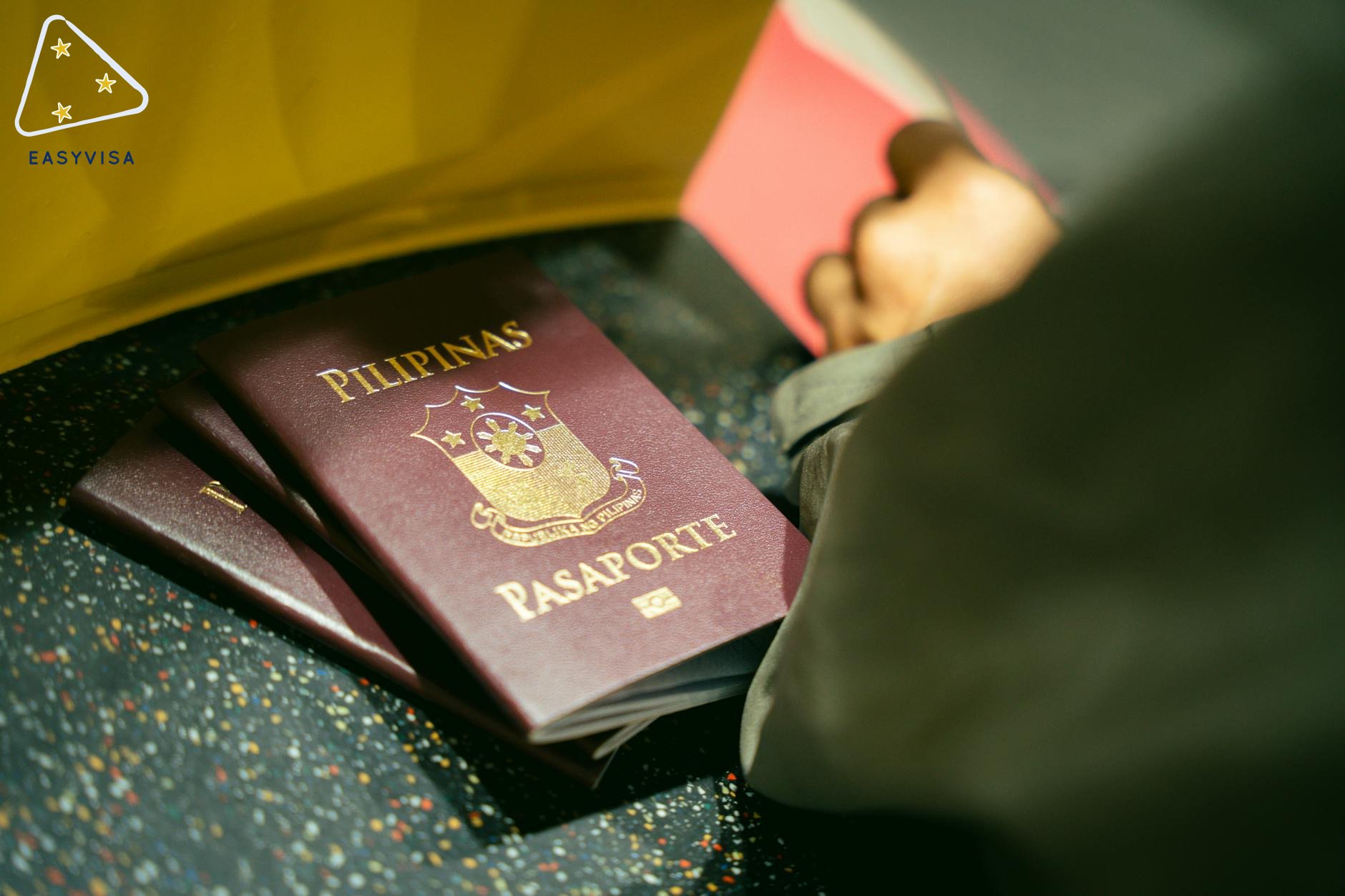
passport documents
Photo by Borys Zaitsev on Pexels

As Canada continues to refine its immigration policies, the global community watches closely. The country's approach serves as a model for balancing economic needs with humanitarian goals, offering valuable lessons for other nations facing similar challenges.

airport terminal
Photo by Angelyn Sanjorjo on Pexels

Comments (2)

M
Maya
2026-03-29 12:00

Hey! I found the breakdown of the new skill-based immigration categories super helpful. It really clarified how the system is changing and what it means for future applicants. Thanks for keeping us updated!

D
David Kim
2026-03-29 12:00

Interesting read! I’m curious, how do these changes affect family reunification processes for new immigrants?

Leave a Comment

Frequently Asked Questions

In recent months, Canada has introduced several significant changes to its immigration policies aimed at improving the process for newcomers. One of the key changes is the increase in fees for permanent residency and citizenship applications, which is intended to support the administrative costs of processing these applications. Additionally, the government has expanded pathways for francophone students, enabling them to access more opportunities for permanent residency. There has also been a focus on enhancing support for rural work permits, encouraging immigrants to settle in less populated areas and contribute to local economies. These changes are part of Canada's broader strategy to address skill shortages in various sectors and promote economic growth through immigration.
Qualifying for permanent residency in Canada typically involves meeting specific criteria set by Immigration, Refugees and Citizenship Canada (IRCC). The most common pathways include the Express Entry system, Provincial Nominee Programs (PNPs), and family sponsorship. To qualify through Express Entry, candidates must create a profile and provide information about their skills, work experience, language ability, and education. They are then ranked against other candidates using a points-based system. For PNPs, provinces nominate individuals who meet their labor market needs. Additionally, family sponsorship allows Canadian citizens or permanent residents to bring their relatives to Canada. Overall, it is crucial to stay informed about the criteria for each pathway and ensure you meet all requirements before applying.
New immigrants in Canada have access to a range of support services designed to help them integrate into Canadian society and the workforce. These services often include settlement programs that provide information on housing, healthcare, and education. Many community organizations offer language classes to improve English or French skills, which are crucial for successful integration. Additionally, employment services assist newcomers in finding jobs by offering resume workshops, interview preparation, and networking opportunities. The government also provides funding for programs that help immigrants gain recognition for their foreign credentials. By taking advantage of these resources, newcomers can navigate the challenges of settling in Canada and contribute effectively to the economy.
Yes, Canada offers specific pathways for international students to transition into permanent residency after completing their studies. The Post-Graduation Work Permit (PGWP) is one of the most popular options, allowing graduates from eligible Canadian institutions to work in Canada for up to three years, depending on the length of their study program. This work experience can help them qualify for permanent residency through the Express Entry system or other immigration streams. Furthermore, some provinces have dedicated immigration programs that target international graduates, making it easier for them to obtain permanent residency. It is essential for students to understand the requirements and ensure they maintain their eligibility for these pathways during their studies.
Canada's immigration policy has recently placed significant emphasis on supporting rural communities through various initiatives. One key aspect is the enhancement of rural work permits, which encourages immigrants to settle in less populated areas where labor shortages are often more pronounced. Additionally, the Rural and Northern Immigration Pilot (RNIP) program is designed to attract skilled workers to smaller communities by providing a pathway for permanent residency for those who choose to live and work in these regions. This initiative not only helps fill gaps in the local labor market but also supports the economic growth of rural areas. By fostering a welcoming environment for newcomers, Canada aims to revitalize these communities and ensure their sustainability.

Rate this article

Average rating: 4.5 (0 votes)

Related Articles