Understanding the 2026 PGWP Eligibility Freeze in Canada

Explore the impact of Canada's 2026 freeze on PGWP-eligible programs crucial for international students.
Canada immigration International Students PGWP

The Post-Graduation Work Permit (PGWP) program is a pivotal aspect of Canada's educational and immigration framework, enabling international graduates to gain valuable Canadian work experience. As of 2026, the Immigration, Refugees and Citizenship Canada (IRCC) has announced a freeze on the list of educational programs eligible for the PGWP, a decision that has sparked significant interest and concern among prospective students and educational institutions alike. This article delves into the implications of this freeze, providing clarity and insights for those affected by the changes.

The Importance of PGWP for International Students

The PGWP serves as an open work permit, offering international graduates the opportunity to remain in Canada and work for any employer. This experience is often a crucial step for those aiming to transition to permanent residency, as Canadian work experience is highly valued in immigration pathways. The attractiveness of this program has made it a key consideration for international students choosing Canada as their study destination.

Historically, the list of PGWP-eligible programs has been dynamic, reflecting Canada's evolving labor market needs. Changes to this list can significantly impact the decision-making process for international students, influencing both their choice of study program and their future career plans in Canada.

canada immigration office
Photo by Claudia Solano on Pexels

Details of the 2026 Freeze on PGWP Eligibility

On January 15, 2026, the IRCC confirmed that there would be no updates to the PGWP-eligible programs for the year. This announcement follows previous indications in 2025 that a major overhaul was anticipated. The freeze ensures stability for students currently enrolled or planning to enroll in programs leading to a PGWP. With the list holding steady at 1,107 eligible programs, students have a clear understanding of which fields will facilitate their access to a PGWP upon graduation.

Implications for Current and Prospective Students

For students aiming to study in Canada, understanding which programs remain eligible for the PGWP is crucial. The freeze offers reassurance that the programs they choose will remain valid for work permit applications, at least until the end of 2026. This stability is particularly beneficial for those enrolling in non-degree programs, such as certificate-level credentials, which have specific eligibility requirements.

Students must ensure their chosen programs align with the Classification of Instructional Programs (CIP) codes deemed eligible by the IRCC. A CIP code is a standardized identifier used across educational institutions to classify programs by discipline. Prospective students can find a comprehensive list of these codes on the IRCC website, which remains a critical resource for those navigating the PGWP eligibility landscape.

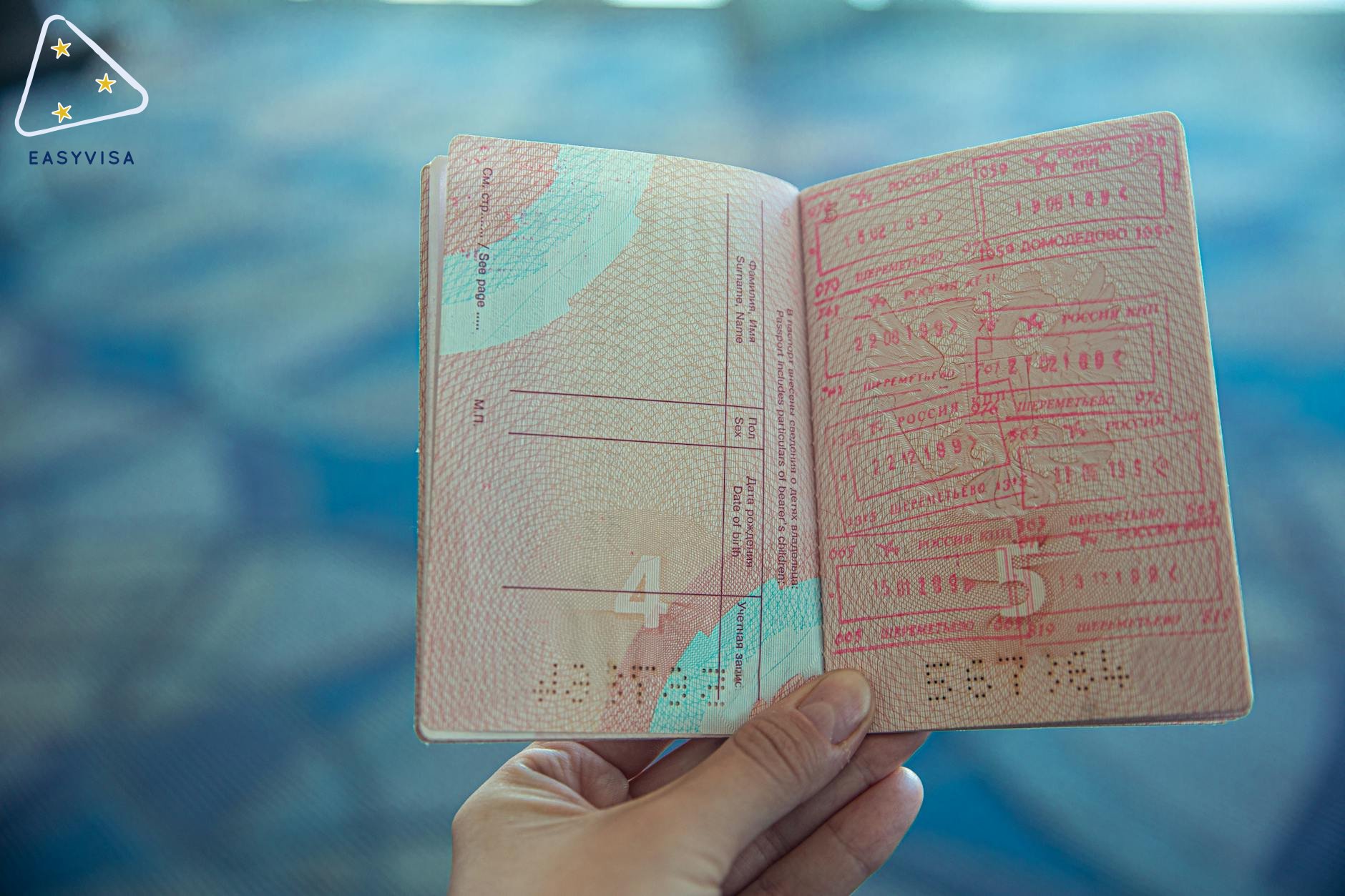
passport documents
Photo by Gül Işık on Pexels

Background of PGWP Changes Leading to 2026

The journey to the current freeze has been marked by several adjustments. In 2025, the IRCC expanded the list of eligible programs by 119 fields while removing 178 others. This expansion increased the overall number of eligible programs from 920 to 1,107. However, in July 2025, a pause was instituted on the removal of programs, maintaining the eligibility of those initially removed until the next update was planned for early 2026. The decision to freeze the list further extends the eligibility of these programs, offering continuity and predictability for students and educational providers.

Looking Ahead: Future Prospects and Considerations

While the 2026 freeze provides immediate stability, questions remain about the future direction of PGWP eligibility criteria. As Canada continues to adapt its immigration policies to address labor market demands, further changes to the PGWP list are anticipated beyond 2026. Prospective students and educational institutions must stay informed about potential updates, ensuring their educational choices align with Canada's immigration objectives.

In conclusion, while the freeze on PGWP-eligible programs in 2026 offers certainty for the current year, it underscores the importance of staying informed about Canada's immigration and educational policy developments. By understanding these dynamics, students can make informed decisions that support their educational and career aspirations in Canada.

airport terminal
Photo by Vincent Albos on Pexels

Comments (2)

C
Chris Taylor
2026-01-16 14:02

Great info! I'm curious if this freeze affects those who are currently enrolled in programs that typically qualify for the PGWP?

L
Lisa Patel
2026-01-16 14:02

This is just what I needed!

Leave a Comment

Frequently Asked Questions

The Post-Graduation Work Permit (PGWP) is a crucial program for international students in Canada, allowing them to work in the country after completing their studies. This permit is particularly significant as it provides graduates the opportunity to gain valuable Canadian work experience, which is essential for those looking to apply for permanent residency. The PGWP is an open work permit, meaning graduates can work for any employer in Canada, making it a flexible option for building a career. The experience gained during this period not only enhances a graduate's resume but also improves their chances of qualifying for various immigration pathways, as Canadian work experience is highly regarded in the immigration process. Given the impending freeze on eligible educational programs for the PGWP in 2026, understanding its importance is vital for current and prospective students aiming to establish their careers in Canada.
The 2026 PGWP eligibility freeze refers to a decision by Immigration, Refugees and Citizenship Canada (IRCC) to halt any changes to the list of educational programs that qualify for the Post-Graduation Work Permit as of 2026. This means that only programs that are currently eligible will continue to qualify for PGWP issuance, potentially limiting the options available for future international students. The freeze has raised concerns among prospective students and educational institutions regarding the availability of suitable programs leading to a PGWP. As a result, students are encouraged to carefully research and choose educational programs that are currently eligible to ensure they can benefit from the PGWP upon graduation. This decision underscores the importance of understanding the implications of program selection for international students who aspire to work and live in Canada after their studies.
To ensure that their educational program is eligible for the Post-Graduation Work Permit (PGWP), students should consult the official Government of Canada website or contact their educational institution for guidance. The eligibility criteria for PGWP include factors such as the duration and type of program. Specifically, the program must be a full-time course of study at a Designated Learning Institution (DLI) that lasts at least eight months. Students should also verify if their program is included in the current list of eligible programs, as the 2026 freeze means that only those programs will continue to qualify post-2026. It is advisable for students to stay informed about any updates from IRCC and to seek advice from academic advisors or immigration consultants to make well-informed decisions. Planning ahead by ensuring their chosen program meets PGWP criteria is essential for those looking to gain work experience in Canada after graduation.
The implications of the 2026 PGWP eligibility freeze for future international students in Canada are significant. With the freeze on the list of eligible educational programs, students must be more cautious when selecting their programs of study. Only those programs that are currently eligible will qualify for the PGWP after 2026, potentially limiting the choices for prospective students. This freeze may lead to increased competition among educational institutions to ensure their programs are recognized and maintained on the eligible list. Furthermore, students may need to consider their long-term immigration plans more carefully, as the PGWP is a vital pathway to obtaining Canadian work experience, which is often a prerequisite for permanent residency. Students are advised to conduct thorough research on their chosen programs and remain updated on any changes to immigration policies. Ultimately, the freeze emphasizes the need for strategic planning to ensure that international students can successfully transition from education to employment in Canada.
Yes, current students who are enrolled in programs eligible for the Post-Graduation Work Permit (PGWP) can still apply for the permit even after the 2026 eligibility freeze is implemented. The freeze affects only new educational programs and does not retroactively impact students who are already enrolled in eligible programs. As long as current students complete their studies in a program that meets PGWP requirements, they will be able to apply for the work permit upon graduation. It's important for these students to ensure that they fulfill all necessary conditions of their program and apply for the PGWP within the required timeframe. Students should also keep abreast of any new developments or changes in immigration policies from the IRCC to ensure a smooth transition from their studies to the workforce in Canada.

Rate this article

Average rating: 4.5 (0 votes)

Related Articles