Navigating Canada's Express Entry: A Comprehensive Guide for

Explore the latest updates and strategies for Canada's Express Entry in 2023, ensuring a smooth immigration process.
Express Entry Canada immigration CRS score

Canada's Express Entry system remains a popular pathway for skilled immigrants aiming to settle in the country. As 2023 unfolds, numerous changes and updates have been introduced to streamline the process and increase its efficiency. This comprehensive guide delves into the intricacies of the Express Entry system, providing valuable insights for potential applicants and highlighting the latest developments that could impact your immigration journey.

Understanding the Express Entry System

The Express Entry system, introduced in 2015, is a points-based immigration program designed to manage applications for permanent residency under three federal economic immigration programs: the Federal Skilled Worker Program, the Federal Skilled Trades Program, and the Canadian Experience Class. It aims to select skilled workers who can contribute to the Canadian economy.

Components of the Express Entry System

The system comprises several key components that determine eligibility and ranking among candidates:

  • Comprehensive Ranking System (CRS): A points-based system used to assess and score a candidate's profile based on factors like age, education, work experience, and language proficiency.
  • Draws and Invitations to Apply (ITAs): Periodic draws are conducted by the IRCC, where candidates with the highest CRS scores receive invitations to apply for permanent residency.
  • Job Offer Points: Recent reforms aim to reintroduce points for valid job offers, enhancing the chances of receiving an ITA for candidates with employment opportunities in Canada.
canada immigration office
Photo by David Kanigan on Pexels

Recent Updates in 2023

2023 has seen significant changes in the Express Entry system, primarily aimed at aligning the process with Canada's labor market needs and economic goals. These updates include:

Introduction of New Occupational Categories

Canada has prioritized three new occupational categories for permanent residency, focusing on sectors with a high demand for skilled labor. These categories provide new opportunities for candidates with relevant experience and skills, broadening the scope of eligibility under the Express Entry system.

Adjustments to CRS Scores

The CRS cut-off scores have witnessed a downward trend, making it more accessible for candidates with slightly lower scores to receive ITAs. This shift reflects Canada's commitment to welcoming a diverse range of skilled workers to meet its labor market needs.

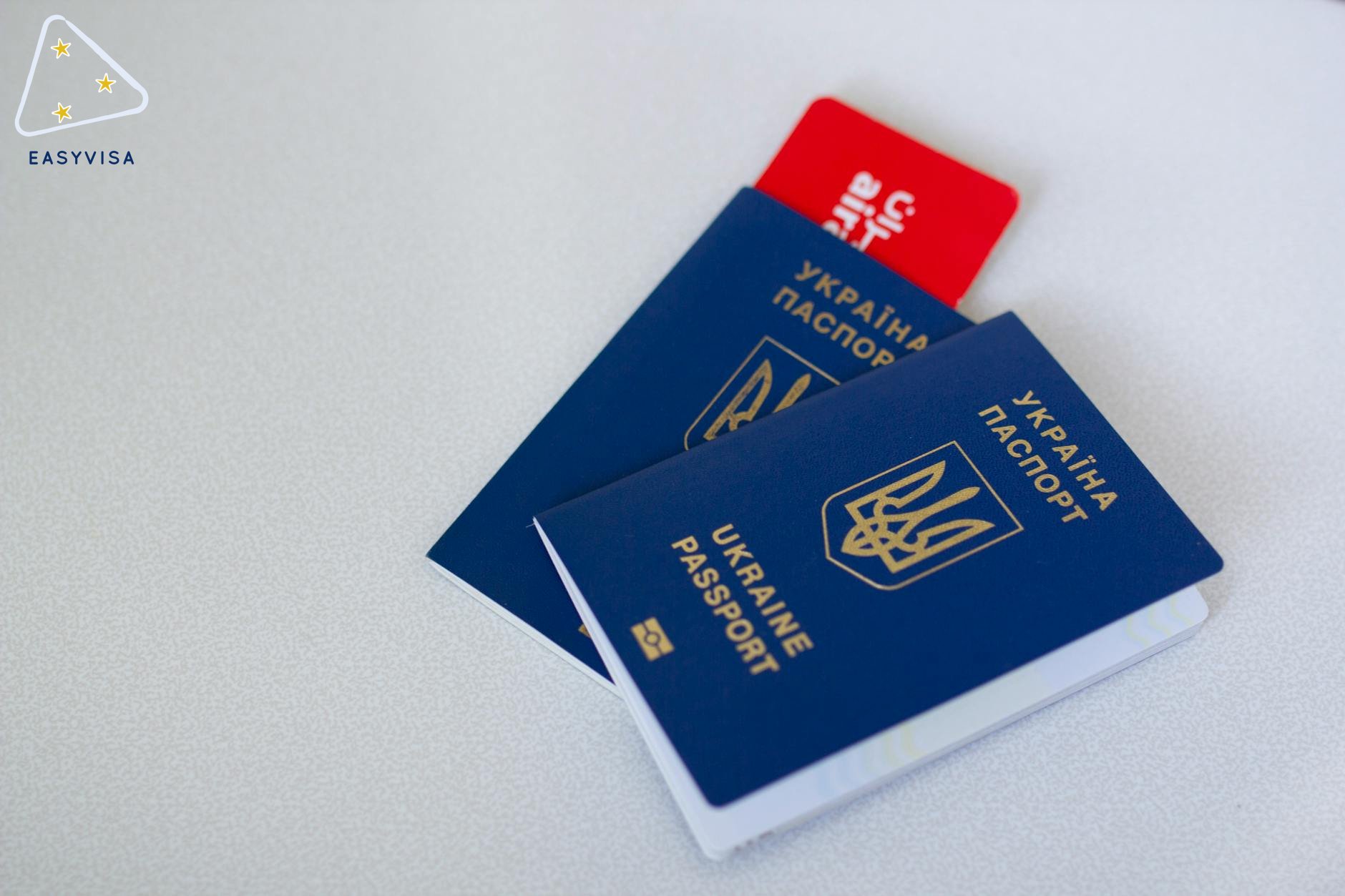
passport documents
Photo by Borys Zaitsev on Pexels

Strategies for a Successful Express Entry Application

To enhance your chances of success in the Express Entry pool, consider the following strategies:

Boosting Your CRS Score

There are multiple ways to improve your CRS score:

  • Enhance Language Proficiency: Achieving higher scores in language tests like IELTS or CELPIP can significantly boost your CRS points.
  • Gain Canadian Work Experience: Experience gained in Canada can add valuable points to your profile, making you a more competitive candidate.
  • Pursue Further Education: Completing additional diplomas or degrees from recognized institutions can enhance your educational qualifications and, in turn, your CRS score.

Leveraging Provincial Nominee Programs (PNPs)

Securing a provincial nomination can be a game-changer for Express Entry candidates. PNPs offer an additional 600 CRS points, virtually guaranteeing an ITA in the next draw. Research various provincial programs to identify opportunities that align with your profile and career goals.

airport terminal
Photo by Angelyn Sanjorjo on Pexels

Conclusion

As Canada continues to evolve its immigration policies, staying informed about the latest changes in the Express Entry system is crucial for prospective immigrants. The updates introduced in 2023 reflect a strategic shift towards addressing labor market needs and enhancing the overall efficiency of the immigration process. By understanding these changes and implementing effective strategies, candidates can optimize their Express Entry profiles and increase their chances of successfully securing permanent residency in Canada. Whether you are a skilled worker or a professional seeking to make Canada your home, the Express Entry system offers a promising pathway to achieving your immigration dreams.

Comments (4)

M
Michael Singh
2026-03-20 14:02

I really liked the breakdown of the eligibility criteria! It made things so much clearer, especially the part about language requirements. Thanks for laying it all out so simply!

R
Ryan
2026-03-20 14:02

Great info! Just curious, are there any specific updates in 2023 that might affect applicants with job offers?

J
Jessica
2026-03-20 14:02

Great read! I'm curious about the recent updates—do you think they make the process faster for applicants?

K
Kevin Brown
2026-03-20 14:02

Super useful info, thanks a ton!

Leave a Comment

Frequently Asked Questions

The Express Entry system is a points-based immigration program established in 2015 to manage applications for permanent residency under three primary federal economic immigration programs: the Federal Skilled Worker Program, the Federal Skilled Trades Program, and the Canadian Experience Class. This system allows skilled workers to apply for permanent residency in Canada based on their ability to contribute to the Canadian economy. Candidates create an online profile that includes information about their skills, work experience, language proficiency, and education. They are then assigned a Comprehensive Ranking System (CRS) score, which ranks them against other candidates. Regular draws from the pool are conducted, inviting the highest-ranked candidates to apply for permanent residency, making it a competitive but efficient pathway for skilled immigrants.
To be eligible for the Express Entry system, applicants must meet specific criteria depending on which of the three programs they apply under. For the Federal Skilled Worker Program, candidates need a minimum of one year of continuous full-time work experience in a skilled occupation, a valid job offer or a provincial nomination may enhance their application. For the Federal Skilled Trades Program, applicants must have at least two years of work experience in a skilled trade and a job offer or certification from a Canadian authority. The Canadian Experience Class requires at least one year of skilled work experience in Canada. Additionally, all candidates must demonstrate proficiency in English or French through standardized language tests and meet minimum education requirements. Meeting these criteria is crucial for gaining entry into the Express Entry pool.
The Comprehensive Ranking System (CRS) is a points-based system used to evaluate and rank candidates in the Express Entry pool. Candidates can earn points based on several factors, including age, education, work experience, language proficiency, and adaptability. For instance, younger candidates may receive more points, while those with higher levels of education and extensive work experience also score higher. Additionally, candidates can earn extra points for a valid job offer from a Canadian employer or a provincial nomination, which significantly boosts their ranking. The CRS score is crucial as it determines who gets invited to apply for permanent residency during regular draws held by Immigration, Refugees and Citizenship Canada (IRCC). Understanding how to maximize your CRS score can enhance your chances of receiving an invitation to apply (ITA) for permanent residency.
When applying for Express Entry, candidates must prepare several key documents to support their application. Firstly, an Educational Credential Assessment (ECA) report is required to verify that your foreign education is equivalent to Canadian standards. Secondly, proof of language proficiency in English or French must be provided through standardized tests like IELTS or CELPIP. Additionally, candidates need to show proof of work experience, which includes reference letters from employers detailing job duties, duration of employment, and hours worked per week. If applicable, a valid job offer from a Canadian employer or a provincial nomination certificate is also beneficial. Lastly, documents related to identity and civil status, such as a passport, birth certificate, and marriage certificate (if applicable), are necessary. Ensuring that all documents are accurate and complete is critical for a successful application.
The duration of the Express Entry process can vary based on several factors, including the applicant's preparedness, the complexity of the application, and the current processing times at Immigration, Refugees and Citizenship Canada (IRCC). After creating an Express Entry profile, candidates await a draw where they may receive an Invitation to Apply (ITA) for permanent residency. This can take anywhere from a few weeks to several months, depending on the CRS score cut-off in each draw. Once an ITA is received, candidates have 60 days to submit their complete application for permanent residency. The IRCC aims to process most applications within six months from the date of submission. However, delays may occur, especially if additional information is required or if there are backlogs in processing. It's essential for applicants to stay updated on their application status and prepare documents promptly to avoid unnecessary delays.

Rate this article

Average rating: 4.5 (0 votes)

Related Articles