Updated Study Permit Guidelines for International Students i

Explore Canada's new study permit rules allowing international students to complete prerequisite courses with shorter permits.
Canada immigration International Students Study Permits

Canada, renowned for its robust education system and multicultural environment, has recently updated its study permit regulations, a move that impacts international students arriving for prerequisite courses. These changes are designed to streamline the transition from short-term courses to long-term educational programs in Canada.

Understanding the New Study Permit Regulations

Under the revised guidelines effective February 19, 2026, international students will be issued study permits that are significantly shorter in duration compared to previous provisions. The earlier rule allowed study permits to be granted for the length of the prerequisite course plus an additional year. However, the current adjustment caps this extension to just 90 days beyond the completion of the prerequisite course. This change is aimed at ensuring that international students adhere closely to their intended study plans and transition effectively into their long-term programs without unnecessary delays.

canada immigration office
Photo by David Kanigan on Pexels

Example of the New System in Practice

Consider the case of Celina Lavange, who was conditionally accepted into a four-year bachelor’s program at a designated learning institution in Canada. Her acceptance required the completion of a four-month English as a Second Language (ESL) course. Previously, she would have received a study permit extending a year beyond this course. Now, the permit is valid only until 90 days after the ESL course ends, ensuring she promptly transitions to her bachelor's program.

Benefits of the Updated Study Permit Policy

These changes bring multiple benefits. Primarily, they align study permits more closely with the actual duration of prerequisite courses, fostering a timely transition to long-term studies. Additionally, they enhance regulatory efficiency by reducing the number of long-term permits granted unnecessarily, thus optimizing resource allocation within immigration authorities.

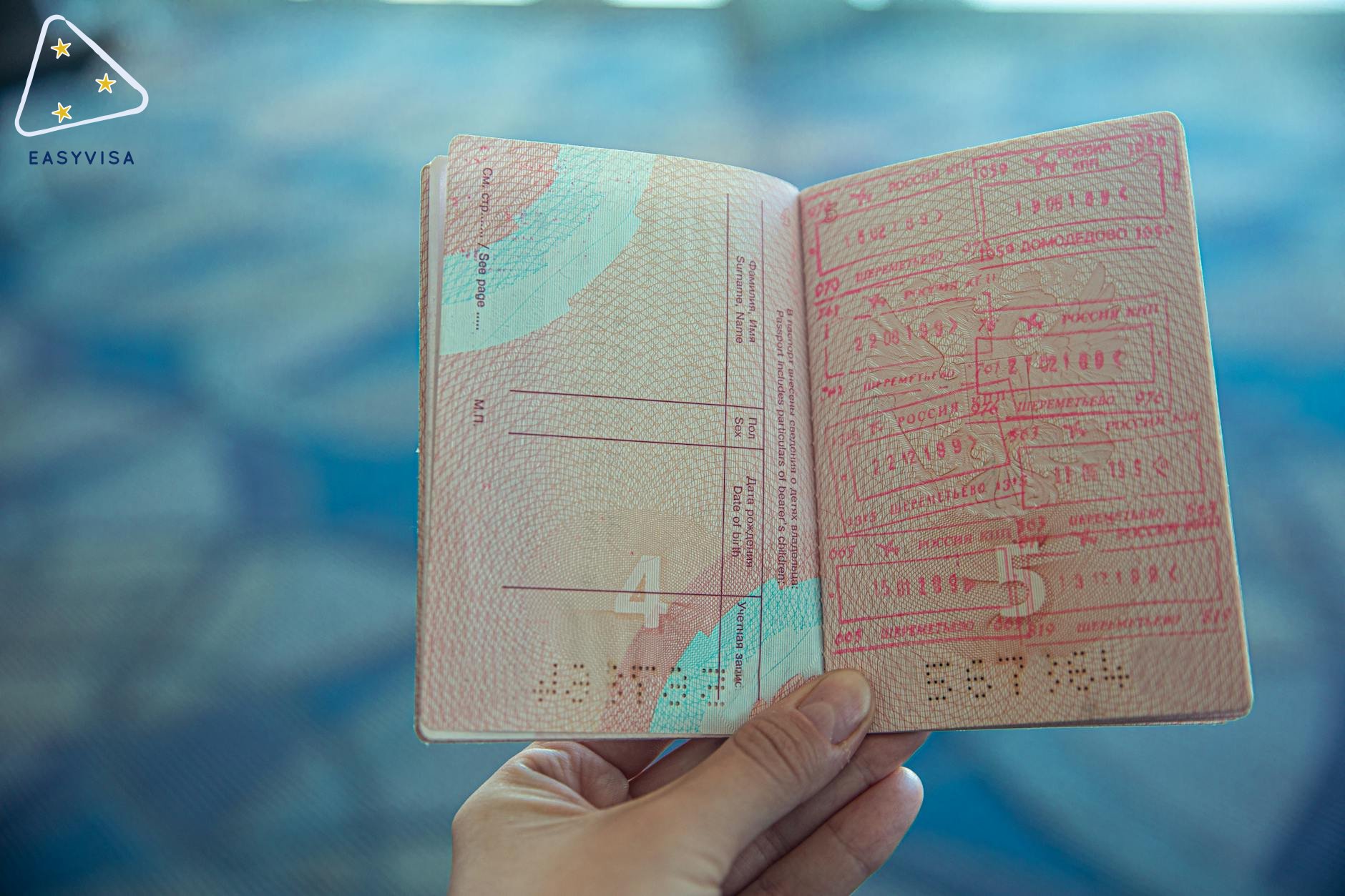
passport documents
Photo by Borys Zaitsev on Pexels

Maintained Status and Its Advantages

A significant advantage of this system is the concept of maintained status. International students like Celina, who apply for a new study permit while within Canada, can continue their education uninterrupted as their new application is processed. This provision eliminates potential administrative gaps that could disrupt a student’s academic journey.

Strategic Application for Study Permits

Students planning to pursue long-term programs should strategically apply for study permits even for prerequisite courses shorter than six months. Despite the general exemption for permits under six months, Immigration, Refugees and Citizenship Canada (IRCC) strongly advises obtaining a permit. This foresight ensures eligibility for permit renewal from within Canada and prevents complications that could arise from permit exemptions.

airport terminal
Photo by Angelyn Sanjorjo on Pexels

Additional Scenarios for In-Canada Permit Application

Aside from enrolling in prerequisite courses, there are other circumstances under which students can apply for study permits from within Canada. These include holding a valid study or work permit, being the spouse or partner of a permit holder, being an exchange student, or having a temporary resident permit valid for six months or more. These provisions offer flexibility and facilitate a seamless academic experience for international students.

Conclusion

Canada’s updated study permit policies represent a forward-thinking approach to managing international education. By aligning study permits with the actual duration of prerequisite courses, the system ensures that students transition smoothly into their main programs, maintaining educational continuity. These changes also reflect a commitment to optimizing immigration processes, ultimately benefiting both students and Canadian institutions. Understanding and navigating these new regulations allow international students to strategically plan their educational journey in Canada, maximizing the opportunities available in this diverse and dynamic country.

Comments (2)

L
Lisa Patel
2026-02-22 14:01

I really liked how you broke down the new requirements for the study permit! The part about the financial proof requirements was super helpful—definitely something I need to keep in mind while prepping my application. Thanks for sharing!

M
Maya
2026-02-22 14:01

Wow, these new guidelines are a game changer! I'm currently navigating my own study permit situation, and I can already see how these updates might make things smoother for future students. Really appreciate the breakdown – it feels less overwhelming now!

Leave a Comment

Frequently Asked Questions

Effective February 19, 2026, Canada has updated its study permit guidelines for international students. The new regulations introduce a significant change in the duration of study permits issued to those enrolled in prerequisite courses. Previously, study permits could be granted for the length of the course plus an additional year. However, under the new guidelines, study permits will now be limited to the duration of the prerequisite course plus just 90 days. This adjustment is designed to streamline students' transitions into long-term educational programs in Canada, ensuring they stick closely to their intended study plans and reduce unnecessary delays in their academic journey.
The updated study permit guidelines can impact your study plans significantly, especially if you are planning to take prerequisite courses before entering a long-term program. Under the new rules, you’ll receive a study permit that lasts for the duration of your prerequisite course only, plus an additional 90 days. This means you must be prepared to transition into your main program promptly after completing your prerequisite studies. If you need additional time to prepare or if your main program has a later start date, this limitation may require you to adjust your academic timeline or consider enrolling in a program that begins sooner to avoid any gaps in your study permit.
While the new guidelines limit the duration of study permits, there are still options available for extension. If you find that you need more time to complete your studies or transition into a long-term program, you may apply for an extension before your study permit expires. However, it's important to note that the extension will still be subject to the new rules, which means that the total duration of your study permit will not exceed the maximum allowed period as outlined in the updated guidelines. To increase your chances of a successful extension, ensure that your application is well-prepared, demonstrating your commitment to your studies and your plans for further education in Canada.
The updated study permit guidelines primarily impact international students planning to enroll in short-term courses as prerequisites for long-term educational programs in Canada. Students aiming to take these prerequisite courses should be particularly aware of the new rules, as they will receive study permits that are shorter in duration. This change emphasizes the importance of planning your academic trajectory carefully to avoid any gaps in your study permits. Additionally, it could affect students who are unsure about their next steps after completing these courses, as they will need to transition quickly into their main programs to avoid overstaying their permits.
If you have questions or concerns regarding your study permit application, the best course of action is to seek guidance from official sources. You can visit the Immigration, Refugees and Citizenship Canada (IRCC) website for comprehensive information on study permits and application processes. Additionally, consider reaching out to the international student office at your prospective educational institution in Canada. They often provide resources, workshops, and personalized assistance to help students navigate the application process. Lastly, consulting with an immigration consultant or lawyer can also be beneficial, especially if you have specific circumstances or concerns regarding your application.

Rate this article

Average rating: 4.5 (0 votes)

Related Articles