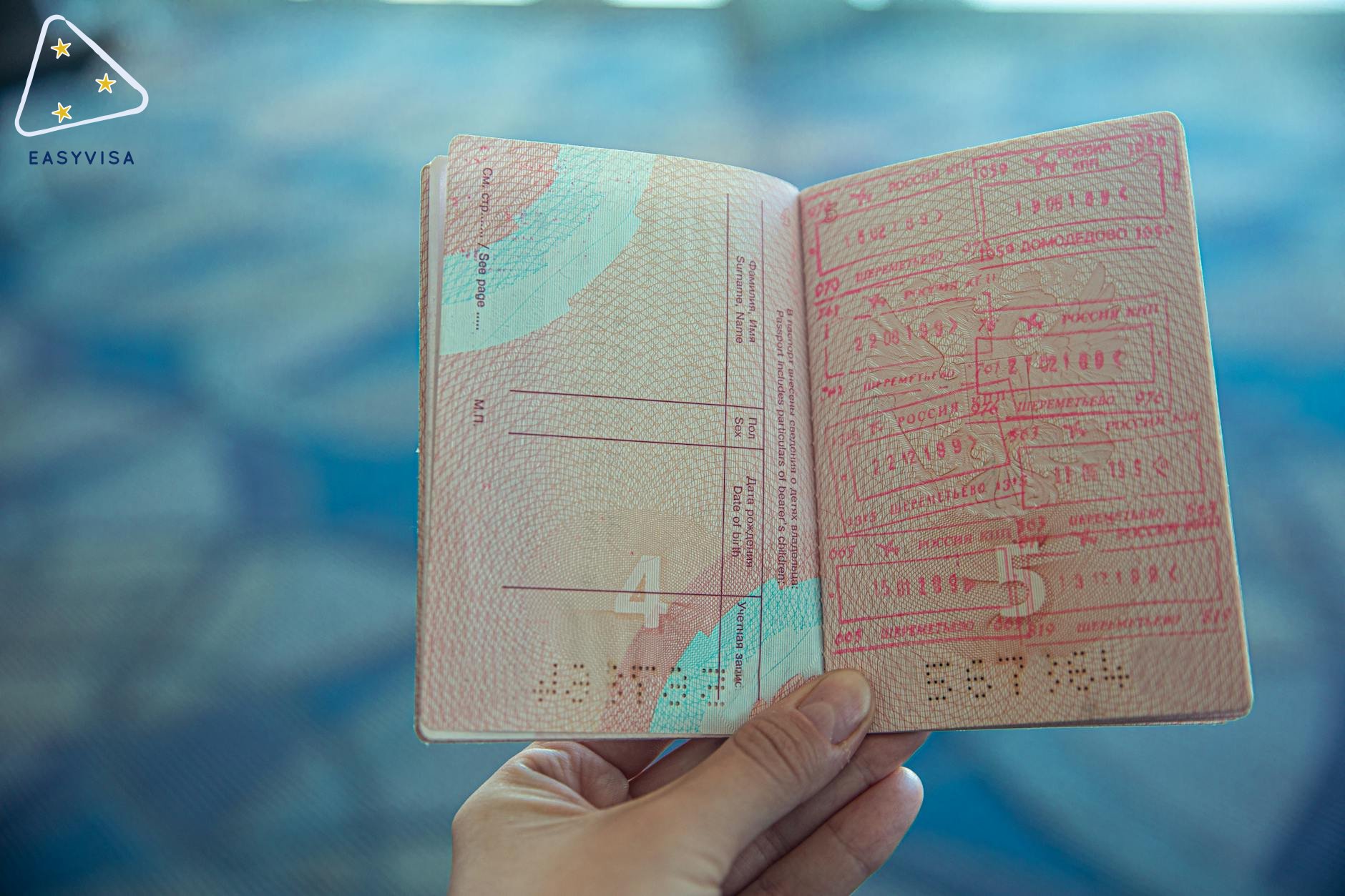
In response to the ongoing crisis in Ukraine, Immigration, Refugees and Citizenship Canada (IRCC) has introduced a temporary measure to facilitate the extension of temporary resident status for Ukrainian nationals and their family members in Canada. This initiative allows eligible individuals to obtain work and study permits, which they otherwise might not qualify for under normal circumstances. This policy underscores Canada's commitment to providing relief and support to those affected by the conflict in Ukraine.
Understanding the Temporary Public Policy for Ukrainian Nationals
The temporary public policy was established to address the unique challenges faced by Ukrainian nationals in Canada due to the conflict in their home country. This policy is specifically designed to assist those who have applied for permanent residence through the Temporary public policy to grant permanent residence to certain Ukrainian nationals with family in Canada. By extending temporary resident status, the policy aims to provide a stable and supportive environment for affected families.
The policy applies to Ukrainian nationals and their spouses and dependent family members who meet specific criteria. These individuals must fall into one of two scenarios to qualify for work permits or study permits under this temporary measure.
Eligibility Scenarios for Work and Study Permits
There are two primary scenarios under which Ukrainian nationals and their families can qualify for work or study permits:
- Scenario One: Be in Canada with valid temporary resident status, or have applied for restoration of status within 90 days.
- Scenario Two: Have had valid temporary resident status at the time their application for permanent residency was submitted and have subsequently lost that status, or have had valid temporary resident status within the 90 days prior to submitting the application for permanent residency.
In both scenarios, applicants must apply within Canada on or before March 31, 2026. Foreign nationals in scenario two are exempt from inadmissibility due to unauthorized work or study and are not bound by the usual requirements for status restoration.
 Photo by Claudia Solano on Pexels
Application Process and Exemptions
The process for applying under this temporary public policy is designed to be straightforward, providing Ukrainian nationals with the opportunity to apply for work or study permits even without a current valid temporary resident status. If applying without this status, individuals must apply for restoration of status concurrently with their work or study permit application. Typically, IRCC requires that these permits be applied for from outside Canada, but this policy allows for exceptions to support those affected by the conflict.
Key Exemptions and Considerations
Foreign nationals under both scenarios are granted significant exemptions that simplify the application process. These exemptions include waiving the usual requirements needed to apply for work permits or study permits from within Canada. Furthermore, they are not subject to the 90-day time frame typically required for restoration of status.
This policy, initiated on January 16, 2026, will remain effective until March 31, 2027. However, as with all temporary public policies, it may be revoked at any time depending on circumstances.
 Photo by Gül Işık on Pexels
The Impact of the Policy on Ukrainian Nationals
Since its inception, the temporary public policy has had a significant impact on the lives of Ukrainian nationals affected by the conflict. The policy not only provides immediate relief but also paves the way for a more stable future in Canada. It facilitates family reunification and offers opportunities for employment and education that are crucial for integrating into Canadian society.
Historical Context and Related Initiatives
This policy follows the earlier Canada Ukraine Authorization for Emergency Travel (CUAET) launched in March 2022, which aimed to assist those fleeing the crisis. The current policy builds on these efforts by providing a longer-term solution for those seeking permanent residence in Canada.
More than 13,000 applications have been received under this policy, with nearly 24,000 individuals seeking permanent residence or permanent resident visas. These numbers highlight the significant demand and the importance of the policy in addressing the needs of Ukrainian nationals.
Overall, the temporary public policy reflects Canada's humanitarian approach and its commitment to supporting those in need. It not only addresses the immediate challenges faced by Ukrainian nationals but also contributes to the broader goal of fostering diversity and inclusion within Canadian society.
 Photo by Vincent Albos on Pexels
Conclusion: A Pathway to Stability and Inclusion
The temporary public policy for Ukrainian nationals and their families is a crucial measure that underscores Canada's dedication to providing humanitarian support in times of crisis. By facilitating the extension of temporary resident status and enabling access to work and study permits, the policy offers a pathway to stability and inclusion for affected individuals. It reflects Canada's broader values of compassion, support, and global responsibility.
As the policy continues to support thousands of Ukrainian nationals, it serves as a reminder of the importance of international cooperation and support for those in need. The policy's impact on families and communities is profound, offering hope and opportunity in the face of adversity.
As Canada moves forward, the lessons learned from implementing this policy will be invaluable in shaping future immigration and refugee policies, ensuring that the country remains a beacon of hope and opportunity for those seeking a new beginning.