Navigating Canadian Family Sponsorship: Pathways and Conside

Explore the intricacies of Canadian family sponsorship, including spousal sponsorship, super visa options, and program updates.
family sponsorship super visa Canadian immigration

Canadian family sponsorship offers a vital pathway for families looking to reunite in Canada. This process is a cornerstone of Canada's immigration policy, emphasizing the importance of family unity. In this comprehensive guide, we will delve into the various aspects of family sponsorship, including the options available, the requirements, and recent updates that applicants should be aware of.

The Basics of Family Sponsorship in Canada

Family sponsorship is a key component of Canada's immigration system, allowing Canadian citizens and permanent residents to sponsor their family members to join them in Canada. This process not only supports family unity but also contributes to the country's cultural diversity and economic growth.

Understanding the Eligibility Criteria

To sponsor a family member, the sponsor must be a Canadian citizen or permanent resident aged 18 or older. Additionally, they must demonstrate the financial ability to support the sponsored family member, ensuring that the individual does not require social assistance from the government.

The sponsored individual must also meet specific eligibility criteria, which vary depending on their relationship to the sponsor. Common categories include spouses, common-law partners, children, parents, and grandparents.

Spousal and Common-Law Partner Sponsorship

Spousal sponsorship is one of the most common forms of family sponsorship in Canada. This process allows Canadian citizens and permanent residents to bring their spouses or common-law partners to Canada. To prove the genuineness of the relationship, applicants must provide substantial evidence, such as joint financial accounts, shared residences, and personal correspondence.

There are two main types of spousal sponsorship: inland and outland. Inland sponsorship is for couples residing together in Canada, while outland sponsorship is for those living apart, with the application processed through a Canadian visa office abroad.

Alternative Pathways: The Super Visa

The Super Visa offers an alternative for parents and grandparents who wish to stay in Canada for extended periods without obtaining permanent residence. This visa allows eligible parents and grandparents to visit their family in Canada for up to two years at a time, with multiple entries over a ten-year period.

Applicants must meet specific requirements, including proof of private health insurance from a Canadian insurance company and a letter of financial support from their sponsoring child or grandchild.

Recent Changes to the Super Visa

In recent years, the Canadian government has made several changes to the Super Visa program to enhance its accessibility. These include adjustments to the income requirements and the types of acceptable health insurance policies. It is crucial for applicants to stay informed about these updates to ensure a successful application.

The Super Visa remains a popular choice for families unable to meet the requirements of the Parents and Grandparents Program (PGP), providing a flexible and less permanent option for family reunification.

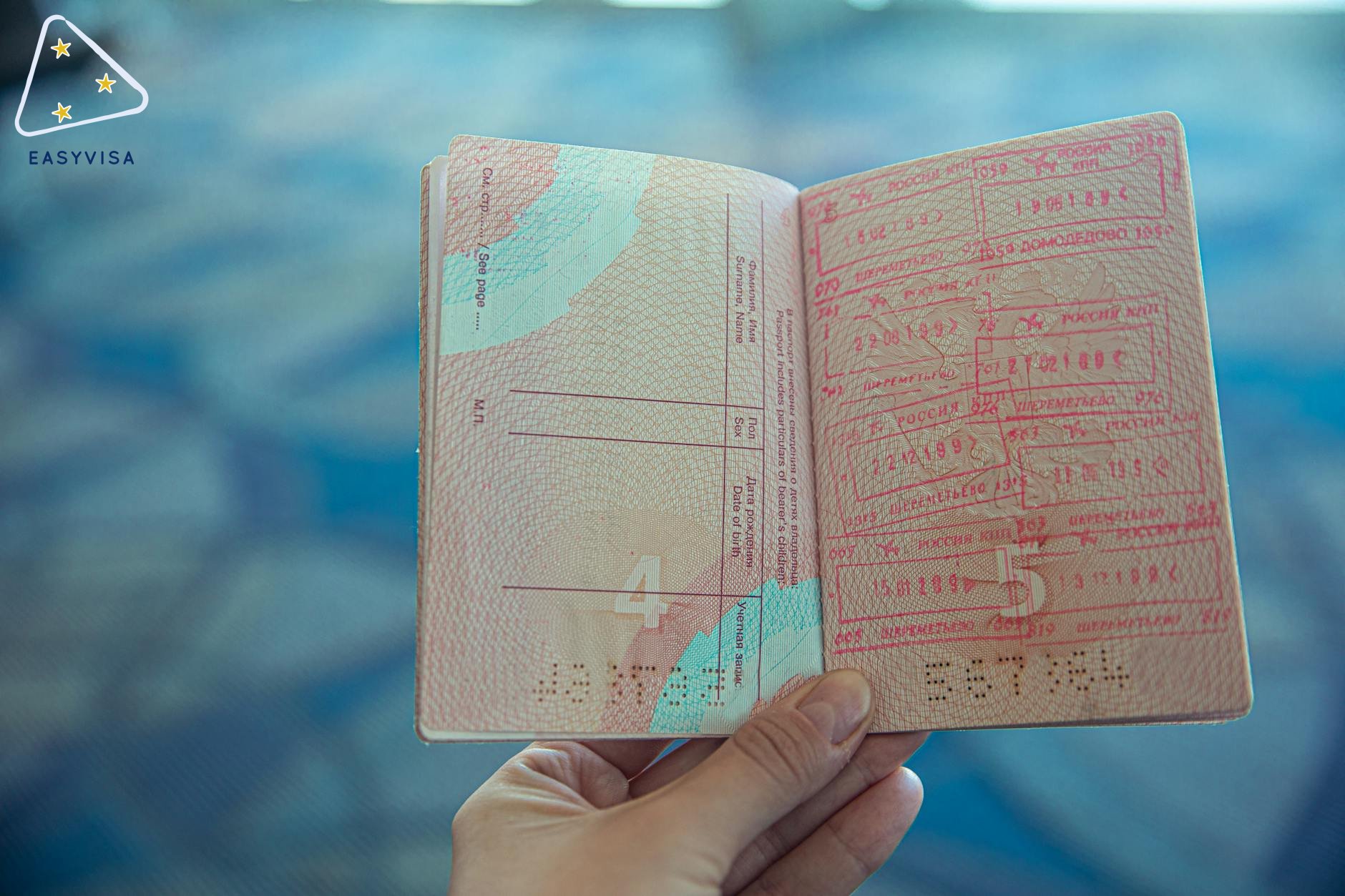
canada immigration office
Photo by Claudia Solano on Pexels

Common Challenges and How to Overcome Them

While the family sponsorship process can be straightforward, applicants often face challenges that can delay or complicate their applications. Understanding these potential hurdles and how to address them can significantly improve the chances of a successful sponsorship.

Financial and Medical Considerations

A significant challenge for many sponsors is meeting the financial requirements set by the Canadian government. Sponsors must demonstrate sufficient income to support the sponsored family member, which can be a barrier for those with lower incomes or fluctuating earnings.

Medical inadmissibility is another potential obstacle, particularly for elderly parents or grandparents. Applicants must undergo medical examinations to ensure they do not pose a health risk to Canadians or place excessive demand on the Canadian healthcare system.

Documentation and Application Accuracy

Incomplete or inaccurate applications are a common reason for delays and rejections in the family sponsorship process. It is essential for applicants to thoroughly review all documentation requirements and ensure that every form is accurately completed and submitted.

Seeking professional advice from immigration consultants or lawyers can help applicants navigate the complexities of the application process, providing guidance on how to compile a complete and compelling application package.

In conclusion, Canadian family sponsorship remains a vital pathway for reuniting families and strengthening the social fabric of Canadian society. By understanding the available options, adhering to requirements, and staying informed about program updates, families can navigate this process successfully, ensuring they can join their loved ones in Canada.


Comments (2)

J
James Wilson
2026-01-11 12:02

This was really eye-opening! I'm curious, how long does the whole sponsorship process usually take?

D
David Kim
2026-01-11 12:02

Wow, this is super informative! I’ve been thinking about sponsoring my partner, and it’s nice to see all the details laid out clearly. I just want to make sure I understand everything before diving in – it feels a bit overwhelming at times!

Leave a Comment

Frequently Asked Questions

The family sponsorship process in Canada allows Canadian citizens and permanent residents to sponsor certain family members to immigrate to Canada. This process is governed by Immigration, Refugees and Citizenship Canada (IRCC). To begin, the sponsor must submit an application that includes forms and supporting documents, demonstrating their relationship to the sponsored family member and their capacity to support them financially. There are specific categories under family sponsorship, including spouses, common-law partners, dependent children, parents, and grandparents. Each category has its own requirements and processing times. After the application is submitted, IRCC will assess it for completeness and eligibility. If approved, the sponsored family member will receive a permanent resident visa, allowing them to live and work in Canada. It is important to note that the sponsor must also commit to financially supporting the sponsored individual for a set period, ensuring they do not rely on social assistance. Understanding the nuances of this process can significantly ease the journey toward family reunification.
Under Canada's family sponsorship program, you can sponsor specific relatives if you are a Canadian citizen or permanent resident. Eligible family members include spouses, common-law partners, and dependent children, as these are the most common categories. Additionally, you may sponsor parents and grandparents through a separate program, subject to a quota that varies each year. It's important to note that siblings, aunts, uncles, and cousins cannot be sponsored under this program, unless they are orphaned and under the age of 18. The sponsored individual must also meet certain requirements, including passing medical and criminal background checks. As a sponsor, you must be at least 18 years old and demonstrate your capacity to provide financial support for your family member, ensuring they can settle into their new life in Canada without relying on government assistance. Each category has its specific documentation and eligibility criteria, so it's crucial to review these details thoroughly before applying.
To successfully sponsor a family member to immigrate to Canada, the sponsor must meet specific financial requirements set by Immigration, Refugees and Citizenship Canada (IRCC). Sponsors must demonstrate that they have sufficient income to support their sponsored family member and any other dependents. This typically means providing proof of income through recent tax returns, pay stubs, or bank statements. The required income level is based on the Low-Income Measure (LIM) for the size of the household, which may vary depending on the number of people in your family. Additionally, if you are sponsoring a spouse or partner, you may not need to meet the income threshold if you can prove that you are able to support them financially. It is essential to understand that the financial obligation lasts for a period of three to ten years, depending on the relationship to the sponsored individual. Failure to meet these financial requirements could lead to the rejection of the sponsorship application, making it crucial for sponsors to carefully assess their financial capabilities before proceeding.
The length of the family sponsorship process in Canada can vary widely depending on several factors, including the type of relationship, the completeness of the application, and the current processing times at Immigration, Refugees and Citizenship Canada (IRCC). Typically, sponsorship applications for spouses or common-law partners may take around 12 months, while those for parents and grandparents can take significantly longer, often exceeding 24 months. It's essential to check the IRCC's official website for the most current processing times, as they can fluctuate based on application volumes and changes in immigration policies. Additionally, delays can occur if the application is incomplete or if additional documentation is required. To avoid unnecessary delays, ensure that all forms are filled out accurately, and gather all necessary supporting documents before submission. Being proactive and organized can expedite the process and help reunite families more quickly.
If your family sponsorship application is refused, it can be disheartening, but there are options available. First, you will receive a letter from Immigration, Refugees and Citizenship Canada (IRCC) detailing the reasons for the refusal. Common reasons include insufficient documentation, failure to meet financial requirements, or concerns regarding the genuineness of the relationship. After receiving the refusal letter, sponsors have the option to appeal the decision to the Immigration Appeal Division (IAD) if applicable, specifically for spousal or common-law partner applications. This appeal must be filed within a specified time frame, usually 30 days. Alternatively, you may consider reapplying, addressing the reasons for the initial refusal by providing additional information or documentation. Consulting with an immigration lawyer or consultant can also be beneficial to understand your options and develop a strategy to improve your chances of a successful application in the future. It's crucial to act promptly and seek professional guidance to navigate the complexities of Canadian immigration processes.

Rate this article

Average rating: 4.5 (0 votes)

Related Articles