Understanding Canada's Rural and Francophone Immigration Pil

Explore the new work permit rules under Canada's Rural and Francophone Immigration Pilots for permanent residence applicants.
Permanent Residence Canada immigration Work Permits RCIP FCIP

Canada's immigration landscape is continually evolving, offering various pathways for foreign nationals seeking permanent residence. Among these pathways are the Rural Community Immigration Pilot (RCIP) and the Francophone Community Immigration Pilot (FCIP), both designed to attract skilled workers to specific regions. These pilots not only facilitate permanent residence applications but also allow applicants to obtain special work permits. This article delves into the intricacies of these pilots, providing insights into their objectives, application processes, and eligibility criteria.

Overview of the Rural and Francophone Immigration Pilots

The RCIP and FCIP are part of Canada's broader strategy to address labor shortages in rural and francophone communities. Launched in 2025, these pilots aim to enhance economic development by attracting skilled workers to regions that struggle to fill labor gaps. The programs are set to run until 2030, offering a structured pathway to permanent residence for eligible applicants.

Key Features of the RCIP and FCIP

Both programs are employer-driven, meaning that a foreign national must have a qualifying job offer from a designated employer within a participating region. The employer and the job offer must be approved by the local economic development organization. Additionally, applicants must meet other requirements, such as language proficiency and educational qualifications, to be deemed eligible for these pilots.

canada immigration office
Photo by David Kanigan on Pexels

Eligibility for Special Work Permits

One of the significant advantages of the RCIP and FCIP is the ability to obtain special work permits for applicants who have submitted a complete application for permanent residence. These permits are issued for up to two years and are exempt from the requirement for a labor market impact assessment (LMIA), making them easier and quicker to obtain.

Criteria for Work Permit Issuance

To qualify for these work permits, the applicant must have an eligible offer of employment, and their permanent residence application must have passed the completeness check. The work permit is tied to the employer and job offer listed in the permanent residence application, and applicants are not eligible for bridging open work permits (BOWPs).

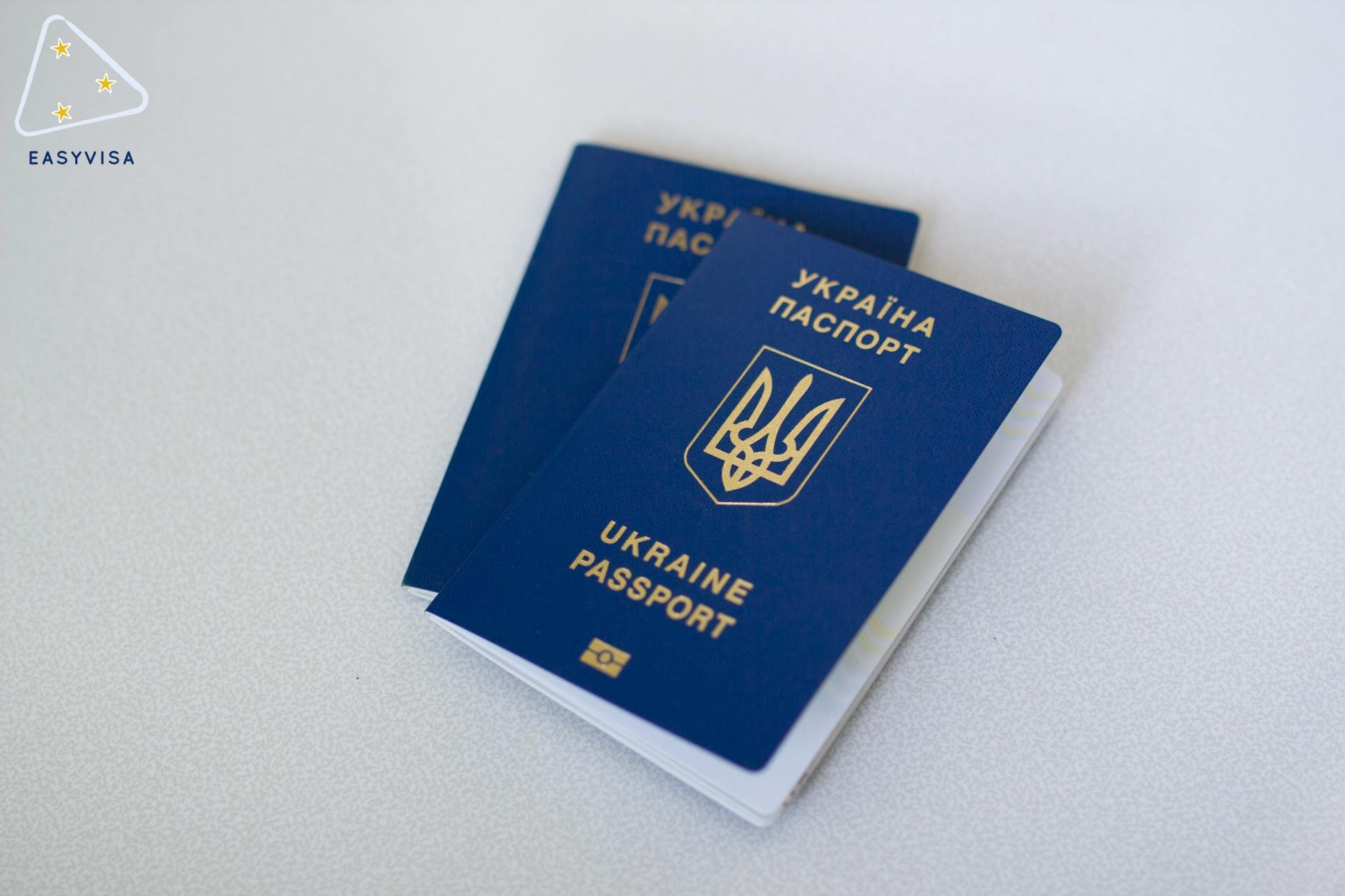
passport documents
Photo by Borys Zaitsev on Pexels

Application Process and Requirements

The application process for these work permits requires specific documentation, including an acknowledgment of receipt for the permanent residence application, a recommendation from the relevant designated economic development organization, and an LMIA-exempt offer of employment submitted through IRCC’s Employer Portal. Importantly, the information on the employment offer for the work permit must match that on the permanent residence application.

Family Members' Work Permits

Family members included in the permanent residence application may also be eligible for LMIA-exempt work permits. These are open work permits but are subject to a restriction to the principal applicant’s region of employment. They are issued under administrative code C17, further facilitating the family's integration into the community.
airport terminal
Photo by Angelyn Sanjorjo on Pexels

Conclusion

The Rural and Francophone Community Immigration Pilots represent significant opportunities for foreign nationals seeking to establish permanent residence in Canada while addressing labor shortages in specific regions. These programs offer a streamlined process for obtaining work permits, making it easier for applicants to contribute economically while their permanent residence applications are processing. By understanding the eligibility criteria and application processes, potential applicants can better navigate these pathways to achieve their immigration goals in Canada.

Comments (4)

P
Priya Sharma
2026-02-25 13:00

I just moved to a small town in Quebec and it’s been such a refreshing change from the city life. I really appreciate how this Rural Community Immigration Pilot can open doors for people looking to settle in tight-knit communities. Definitely excited to see how this can help others find their niche here!

A
Anna Nguyen
2026-02-25 13:00

Wow, the breakdown of the Rural Community Immigration Pilot was super helpful! I never realized how many communities are actually involved. It’s nice to have a clearer picture of where I could potentially settle down!

E
Emma Rodriguez
2026-02-25 13:00

Wow, this is super enlightening! I feel way more equipped to tackle my plans now. Can’t wait to dive into the application process!

L
Lisa Patel
2026-02-25 13:00

Wow, this is super interesting! I'm currently exploring options for moving to Canada and hadn't considered rural areas before. The Francophone angle is also appealing since I’d love to improve my French. Thanks for shedding light on these programs!

Leave a Comment

Frequently Asked Questions

The Rural Community Immigration Pilot (RCIP) is a Canadian immigration initiative aimed at attracting skilled workers to rural areas experiencing labor shortages. Launched in 2025, this pilot program is part of the federal government’s broader strategy to boost economic development in regions that struggle to fill job vacancies. The RCIP allows foreign nationals to apply for permanent residence while also providing access to special work permits, thus enabling them to settle and contribute to the local economy. The pilot is designed to run until 2030, highlighting its importance in addressing the long-term needs of Canadian communities. Interested applicants must meet specific eligibility criteria and demonstrate their intention to live and work in the participating rural communities.
The Francophone Community Immigration Pilot (FCIP) is tailored for French-speaking individuals who wish to immigrate to Canada and contribute to Francophone communities outside Quebec. Applicants must demonstrate proficiency in French and intend to settle in a designated Francophone community. The FCIP aims to attract skilled workers and their families, addressing labor shortages while promoting the French language and culture in Canada. Eligible candidates typically include those with relevant work experience, education, and a job offer from an employer in a participating community. This pilot program not only enhances the vibrancy of Francophone regions but also offers a pathway to permanent residency, making it an appealing option for French speakers worldwide.
Applying for the Rural Community Immigration Pilot (RCIP) or the Francophone Community Immigration Pilot (FCIP) involves several steps. First, prospective applicants must identify and connect with an employer in one of the designated communities participating in the pilot. Once a job offer is secured, applicants can submit an application for a special work permit, which allows them to work in Canada while their permanent residence application is processed. Each pilot has specific eligibility criteria that applicants must meet, including language proficiency, work experience, and educational qualifications. It’s essential to gather all necessary documentation, such as proof of job offer, language test results, and educational credentials, before applying. Detailed guidance on the application process is available on the Government of Canada’s immigration website, where you can find the latest updates and requirements for both pilots.
Applying through the Rural Community Immigration Pilot (RCIP) and the Francophone Community Immigration Pilot (FCIP) offers several advantages for skilled workers seeking to immigrate to Canada. Firstly, these pilots specifically target regions facing labor shortages, increasing the likelihood of job opportunities and community support for newcomers. Additionally, successful applicants gain a structured pathway to permanent residency, which provides long-term security for themselves and their families. The pilots also allow for special work permits, enabling applicants to start working in Canada while their permanent residency application is being processed. Furthermore, both programs promote community integration by encouraging newcomers to settle in areas where their skills are most needed, fostering a sense of belonging and engagement in local economies. Overall, these pilots not only benefit immigrants but also contribute positively to the economic development of rural and Francophone communities across Canada.
The Rural Community Immigration Pilot (RCIP) and the Francophone Community Immigration Pilot (FCIP) are set to run until 2030. These programs were launched in 2025 as part of Canada's strategic response to address the growing labor shortages in rural and Francophone communities. By providing a structured framework for skilled workers to obtain permanent residency while contributing to local economies, the government aims to enhance the sustainability and growth of these regions. The duration of the pilots allows for the evaluation of their effectiveness in attracting and retaining skilled workers, as well as adapting to the evolving needs of communities. As a participant in these programs, individuals have a clear timeline to navigate their immigration process and settle into their new lives in Canada.

Rate this article

Average rating: 4.5 (0 votes)

Related Articles
